By Marcus Reid, Electric Mobility Editor · Updated June 2026
You’ve probably seen the headlines: “E-scooters aren’t as green as you think!” Maybe you love the convenience of your scooter but feel a little guilty — are e-scooters bad for the environment, or is that just clickbait? It’s a smart thing to ask, and the truth is more hopeful (and more interesting) than the scary headlines suggest.
In this guide we’ll break it down in plain English: where a scooter’s emissions actually come from, how it stacks up against cars, buses and bikes, why shared rentals got a bad name, and — most usefully — the simple habits that make your scooter as green as possible. No guilt trips, no jargon. Just clear facts and practical tips.
By the end, you’ll know exactly how green your ride really is, and how to make it even greener. Let’s clear the air. 🍃
The Short Answer: Greener Than You Think
Let’s cut to it. An electric scooter is far kinder to the planet than a car — usually by a huge margin. It has no exhaust pipe, it sips a tiny amount of electricity, and it weighs a fraction of a car, so it takes far less material and energy to build.
But (and it’s an important but) a scooter isn’t zero impact. Making the battery and the aluminum frame takes energy and resources. The trick is that this one-time “making” cost gets spread across every mile you ride. Ride your scooter for years and thousands of miles, and that cost-per-mile becomes tiny. Toss it after six months, and it stays high.
“The greenest scooter isn’t a special eco-model — it’s the one you keep and ride for years instead of driving a car.”
So the real question isn’t “are e-scooters bad?” It’s “how do I use one so it’s genuinely good?” That’s what the rest of this guide is about.
Where Do an E-Scooter’s Emissions Actually Come From?
When people picture “emissions,” they think of a tailpipe. But a scooter has none. Its real footprint hides in three places — and knowing them shows you exactly where to make a difference.
1. Manufacturing (the biggest chunk)
Building the battery and aluminum frame is where most of a scooter’s lifetime carbon comes from. Mining lithium and other metals, and shipping parts across the world, all take energy. This is a one-time cost — which is why making the scooter last is so powerful.
2. Charging (usually small)
Charging a scooter uses very little electricity — often just a few cents’ worth for many miles. The cleaner your local grid (solar, wind, hydro), the smaller this gets. Compared to burning gasoline, it’s a rounding error.
3. Operations (only for shared rentals)
This one only applies to rental scooters. Companies use vans to collect, charge and repair shared scooters — and those vans burn fuel. If you own your scooter, this cost simply doesn’t exist for you.
E-Scooters vs. Cars, Buses & Bikes
Numbers make this real. The table below shows roughly how much carbon different ways of travelling produce per mile. Exact figures vary by source and region, but the ranking is consistent and clear.
| Way to Travel | Roughly CO2 per mile | Greenness |
|---|---|---|
| Gas car (solo) | Very high | 🚫 Worst |
| City bus (per rider) | Medium | ⚠️ OK |
| Owned e-scooter | Low | ✅ Great |
| Bicycle | Tiny | ✅ Best |
| Walking | Near zero | ✅ Best |
The takeaway: an owned e-scooter sits near the green end of the scale — way better than a car, similar to or better than a bus per person, and not far behind a bike. It’s a genuinely clean way to cover distances too far to walk.
The One Factor That Changes Everything: Lifespan
If you remember just one idea from this guide, make it this: how long your scooter lasts matters more than almost anything else. Here’s why, in plain terms.
Making a scooter creates a fixed lump of carbon — let’s call it the “build cost.” Every mile you ride spreads that cost thinner. A scooter that lasts 5 years and 5,000 miles spreads its build cost over a huge number of trips, so each ride is wonderfully clean. A scooter that dies in 6 months spreads the same cost over very few miles, so each ride looks dirty by comparison.
| Scooter Type | Typical Lifespan | Footprint Per Mile |
|---|---|---|
| Early shared rental | Months | High |
| Modern shared rental | 2–5 years | Medium |
| Owned, well-maintained | 3–7+ years | Low |
This is the whole ballgame. Buy a durable scooter, look after it, and keep it for years — and you turn a “maybe okay” ride into a genuinely green one. That’s a choice fully in your hands.
Why Rental Scooters Got a Bad Name
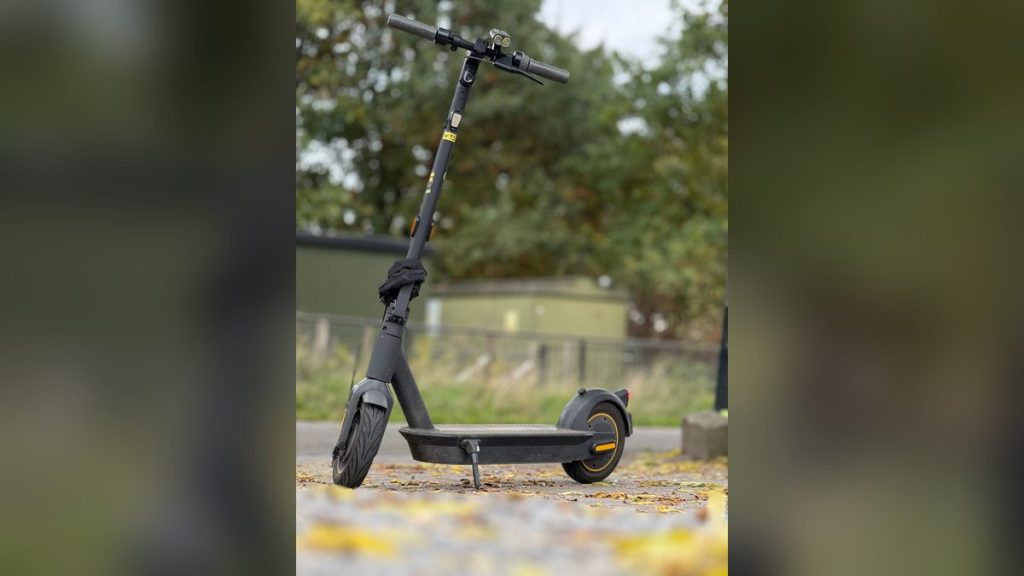
Most of the scary “e-scooters are bad” stories came from the early days of shared rentals (think the first wave of Lime and Bird scooters). And honestly? Back then, the criticism had a point.
- They broke fast. The first shared scooters were flimsy and took heavy abuse on the streets. Some lasted only a few months.
- Gas vans everywhere. Companies drove vans around all night to collect, charge and redistribute them — adding real emissions.
- Short trips replaced walking. Many rental trips replaced a walk or a bus ride, not a car — so they added impact instead of saving it.
The good news is the industry learned. Newer shared scooters are built far tougher, last for years, and use swappable batteries and e-cargo bikes for collection. And if you own a scooter, none of the van problem applies to you at all.
“Don’t judge your own scooter by the sins of a 2018 rental. An owned, durable scooter used instead of a car is a totally different — and much greener — story.”
Do E-Scooters Actually Cut Car Use?
This is the question that decides everything. An e-scooter only helps the planet if it takes the place of a car trip. So do people really swap driving for scooting? The answer is increasingly yes — especially for short city journeys.
Most car trips are surprisingly short. A huge share are under three miles — exactly the distance an e-scooter handles beautifully. For the “too far to walk, too short to bother driving and parking” trips, a scooter is often faster than a car once you count traffic and parking. That convenience is what actually changes behavior.
When a scooter replaces those short drives — the coffee run, the commute to the train, the trip to the shops — the climate math turns strongly positive. You skip the most polluting part of driving (cold starts and stop-go traffic), free up a parking space, and cut local air pollution to zero at the point of use.
How to Make Your E-Scooter as Green as Possible
Here’s the practical part. These simple habits turn your scooter into a genuine climate win — and most of them save you money too.
- Buy quality and keep it for years. A durable scooter you ride for 5+ years beats a cheap one you replace twice. Longevity is the #1 green move.
- Replace car trips, not walks. Use your scooter for journeys you’d otherwise drive. That’s where the real carbon savings live.
- Look after the battery. Don’t fully drain it, avoid extreme heat, and don’t leave it at 100% for weeks. A healthy battery lasts years longer.
- Keep tires inflated and sealed. Proper pressure boosts range (less charging) and prevents flats (less waste). A little maintenance goes a long way.
- Charge on cleaner power if you can. Off-peak or solar charging shrinks your footprint even further.
- Repair, don’t replace. Swap a tire, brake pad or battery instead of buying a whole new scooter. Recycle old batteries properly.
What Makes One Scooter Greener Than Another?
Not all scooters are equal when it comes to long-term impact. If you’re shopping with the planet in mind, here’s what actually matters — and it’s probably not what the marketing tells you.
Durability over flashy specs
A tough frame, quality brakes and a reliable battery beat a flashy top speed every time. A scooter that survives five years of daily use is far greener than a fragile one with a bigger number on the box.
Repairability & spare parts
Can you buy a replacement tire, brake pad or battery for it? Brands with easy spare parts (like Segway) let you keep a scooter alive for years. A sealed, unrepairable scooter becomes e-waste the moment one part fails.
Battery quality & range
A good battery with honest range means fewer charge cycles for the same miles — and it ages more slowly. Cheap cells fade fast, pushing you toward an early replacement. Pay a bit more for a battery that lasts.
Brand support & warranty
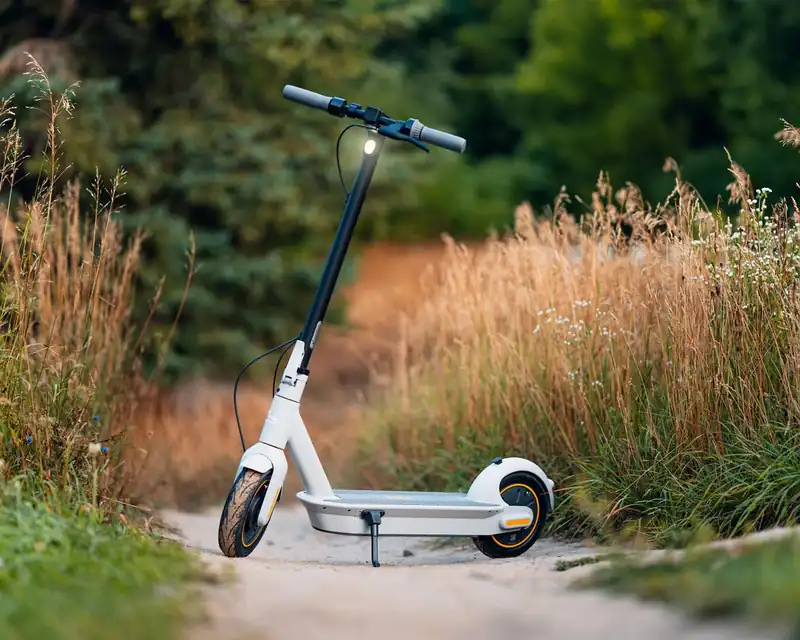
A company that’s still around in three years — and stands behind its scooters — is part of being green. Support and warranty mean repairs happen instead of replacements. That’s why a well-supported scooter like the Segway Ninebot MAX G2 is a smart long-term, low-impact choice.
Gear That Helps Your Scooter Last (and Ride Greener)
Greener riding is mostly about making things last. These three picks — a durable scooter and two cheap maintenance helpers — do exactly that, and each is live on Amazon.
Segway Ninebot MAX G2
Built to Last
A durable, long-range scooter — the greenest one is the one that lasts
The single biggest way to lower a scooter’s footprint is to keep it for years. The MAX G2 is built for that: a tough full-suspension frame, a 43-mile range (so you charge less often), and a reliable battery. Buy once, ride for years, and your per-mile impact drops dramatically.
Slime Tire Sealant
Less Waste
Non-toxic sealant that prevents flats and extends tire life
Flats mean thrown-away tubes and tires — small bits of waste that add up. This eco-friendly, non-toxic sealant seals small punctures automatically, so your tires last far longer. Fewer replacements means less waste and money saved.
Xiaomi Portable Air Pump 1S
More Range, Less Charging
Keep tires at the right pressure for better efficiency
Under-inflated tires drag, cutting your range and making you charge more often. A quick top-up keeps your scooter efficient, stretches each charge further, and helps tires last longer — a tiny habit with a real green payoff.
The Honest Downsides (We Won’t Pretend They’re Zero)
Being fair means admitting e-scooters aren’t perfect. Here are the real concerns — and how much they actually matter.
Battery materials
Lithium and other metals must be mined, which has an environmental and social cost. It’s real — but a scooter battery is tiny compared to an electric car’s, and far smaller than the resources a gas car burns over its life. Recycling the battery at end of life helps a lot.
E-waste
A scooter tossed in the trash is wasted material and a fire risk. The fix is simple: repair instead of replace, and recycle the battery and frame properly. Many shops and recycling centers take them.
Replacing the wrong trips
If a scooter replaces a walk or a bus ride you’d have taken anyway, it adds a little impact instead of saving it. The green magic only happens when it replaces a car trip. So aim your scooter at the journeys you’d otherwise drive.
Common Mistakes (and Easy Fixes)
Pro Tips for the Greenest Ride
Real-Life Example
A commuter we heard from swapped a 4-mile each-way car drive for an owned electric scooter. Three years and several thousand miles later, the scooter is still going strong on its original battery, helped by simple tire care and the odd repair.
“I’ve replaced two tires and a brake pad in three years — that’s it. It’s cut my driving way down, saved a fortune in gas, and the ‘build cost’ is spread over so many miles now that it barely registers.”
That’s the whole idea in action: a durable scooter + basic care + replacing car trips = a genuinely green ride.
Frequently Asked Questions
Are e-scooters bad for the environment?
Not really. They’re one of the greener ways to travel, producing far less CO2 per mile than a car. Most of their footprint is in manufacturing, so the key is to own one, keep it for years, and use it to replace car trips. Done that way, an e-scooter is a clear win.
Are e-scooters greener than cars?
Yes, by a wide margin. A scooter has no tailpipe and uses very little electricity, so it emits a small fraction of what a gas car does per mile. The biggest win comes when it replaces short car trips.
Why did shared rental scooters get a bad reputation?
Early shared scooters had very short lifespans and needed gas vans to collect and recharge them, which raised their footprint. Owning your own durable scooter avoids both problems entirely.
What’s the most eco-friendly way to use a scooter?
Own it instead of renting, keep it for many years, maintain the tires and battery, charge on clean power if you can, and use it to replace car trips. Longevity is the single biggest factor.
What happens to old e-scooter batteries?
They should be recycled, never thrown in the trash. Many retailers and recycling centers accept them. Recycling recovers valuable materials and keeps toxic parts out of landfills.
Your Green-Riding Checklist ✅
- ✅ Buy a durable scooter and keep it for years
- ✅ Replace car trips — not walks or transit
- ✅ Care for the battery (20–80%, avoid heat)
- ✅ Keep tires inflated & sealed for range and longevity
- ✅ Repair small things early instead of replacing the scooter
- ✅ Charge on cleaner power when you can
- ✅ Recycle the battery at end of life — never bin it
The Bottom Line
So, are e-scooters bad for the environment? No — used well, they’re one of the greenest ways to get around. The footprint is real but small, and it’s mostly in making the scooter. Keep yours for years, look after the tires and battery, and ride it instead of driving, and you’ll turn a good choice into a great one. Ride clean! 🍃
See a Built-to-Last Scooter on Amazon
#ad — As an Amazon Associate, we earn from qualifying purchases.