By Marcus Reid, Electric Mobility Editor · Updated June 2026
You bought a hoverboard (or you’re about to), and now you’re wondering: are hoverboards legal in your state? It’s a smart question — the last thing you want is a fine, a confiscated board, or a knock on the dorm door. The tricky part is that the answer isn’t the same everywhere.
Here’s the reassuring news: owning one is legal everywhere in the US. The rules that vary are about where you can ride. In this guide, we’ll explain the difference between owning and riding, why the laws change from place to place, what the rules usually look like, how to quickly find your local law, and the simple gear that keeps you legal and safe.
Consider this a friendly, plain-English map through the legal maze — from a rider who just wants you to enjoy your board without any trouble. Let’s dive in. 🚀
The Short Answer: Legal to Own, Tricky to Ride
Let’s clear up the big confusion right away. Hoverboards are 100% legal to buy and own in all 50 states. No state bans you from having one in your home. So if you’re worried about ordering one, don’t be — that part is easy.
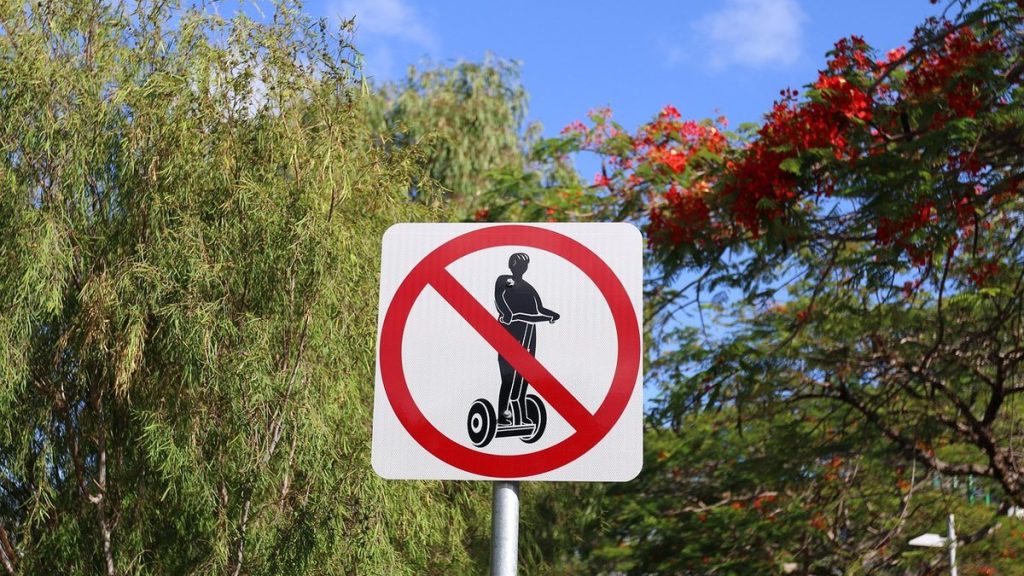
The rules kick in when you take it out in public. Because there’s no national hoverboard law, each state — and often each city — decides where you’re allowed to ride. Some treat hoverboards like bikes, some ban them from sidewalks, some ban them from roads, and a few effectively ban them from public spaces altogether.
“Owning a hoverboard is legal everywhere. Riding it in public is where the local rules come in — and those are the ones you need to check.”
So the real question isn’t “can I own one?” (yes), it’s “where can I ride it?” That’s what the rest of this guide answers.
Owning vs. Riding: The Key Difference
This one distinction clears up 90% of the confusion online. Let’s break it into two simple buckets.
Owning & private-property riding (always legal)
You can buy a hoverboard, keep it at home, and ride it on your own property — your driveway, yard, garage, or a private parking lot (with permission) — anywhere in the country. No law stops you. This is where most people ride anyway, and it’s completely worry-free.
Public-space riding (depends on your city)
Sidewalks, streets, parks, bike paths, college campuses, malls — these are public or shared spaces, and that’s where local rules apply. A city can ban hoverboards from sidewalks, roads, or both. A campus can ban them from dorms. A mall can ask you to walk. This is the layer you need to learn for the places you ride.
Why Do Hoverboard Laws Vary So Much?
It feels messy, and honestly, it is. The reason comes down to one thing: there’s no single federal law for hoverboards. When a new gadget appears faster than lawmakers can react, each state and city ends up writing its own rules — and they don’t coordinate.
- They don’t fit old categories. A hoverboard isn’t a car, a bike, or a scooter, so lawmakers had to decide what “bucket” to put it in — and they chose differently.
- Safety scares shaped the rules. The early fire and injury headlines pushed some cities to crack down hard, while others took a lighter touch.
- Local priorities differ. A dense city worried about crowded sidewalks makes different choices than a quiet suburb.
The upshot: you can’t assume the rule from one town applies to the next. But once you know how to check (we’ll show you), it takes just a few minutes.
Hoverboard Rules: State-by-State Overview
Here’s a general snapshot of how some states and cities handle hoverboards in public. Remember — owning is always legal; this is about riding in public spaces, and cities often add their own stricter rules on top. Always confirm your specific city’s current law.
| State / City | Public Riding | Typical Rule |
|---|---|---|
| California | ⚠️ Limited | Bike paths/lanes; helmet for under-18; under 35 mph roads |
| New York City | ❌ Very strict | Long restricted on streets & sidewalks |
| Florida | ⚠️ Varies | Often treated like bikes; city rules differ |
| Texas | ⚠️ Varies | Local cities set most rules |
| Most suburbs / small towns | ✅ Often OK (slow) | Allowed on quiet paths; yield to walkers |
Note: laws change and cities override state defaults. Treat this as a “how much it varies” snapshot — not legal advice. Check your city’s website for the current rule.
Where Hoverboards Are Usually Restricted
Even in friendly states, certain places commonly say no. Knowing these saves you a fine or an awkward conversation.
- Busy sidewalks: Many cities ban hoverboards from sidewalks to protect pedestrians.
- Roads & highways: Often off-limits because hoverboards are slow and hard for drivers to see.
- College campuses: Lots of universities ban or restrict them, usually over dorm fire-safety worries.
- Public buildings, malls & transit: Many ask you to carry or walk the board inside.
- Some parks: Rules vary — check posted signs.
Hoverboards vs. E-Scooters: Are the Laws the Same?
People often lump hoverboards and electric scooters together, but lawmakers don’t always treat them the same way — and the difference can trip you up.
Many cities have built clear electric scooter rules (often because of rental programs like Lime and Bird), giving e-scooters a defined legal home in bike lanes. Hoverboards, by contrast, frequently fall into a grey area — they’re newer to regulate, have no handlebars, and don’t fit the “scooter” definition cleanly. The result is that hoverboards are often more restricted than scooters in the same city.
What this means for you
- Don’t assume scooter rules apply. A bike lane that allows e-scooters may not officially cover hoverboards. Check specifically for “hoverboard” or “self-balancing device.”
- Hoverboards lean toward private use. Because they’re harder to classify, more cities default to “keep it off public roads and sidewalks.”
- When you want public riding freedom, an e-scooter is often the more clearly-legal choice in many cities — worth knowing if commuting is your goal.
“If your main goal is legal commuting on public roads, an e-scooter often has clearer rules. If you mainly ride for fun on private property, a hoverboard is perfect — and totally legal to own.”
UL 2272 Certification and the Law
You’ll see “UL 2272” everywhere when shopping — and it’s closely tied to the legal and safety side of hoverboards. Here’s what it means in plain English.
UL 2272 is a fire-safety certification. A board that passes has had its battery, charger and wiring independently tested against fire and shock hazards. It was created after the early hoverboard fires, and today it’s basically the industry safety standard.
Is it legally required? Not always to simply own one. But in practice it matters a lot:
- Retailers mostly sell only UL 2272-certified boards now.
- Schools, colleges and workplaces often require UL 2272 to allow them on the premises.
- Insurance and safety rules may reference it after an incident.
“Even where it isn’t the law, buy a UL 2272-certified hoverboard. It’s the difference between a safe ride and a fire risk — and it keeps you welcome on campuses and at work.”
Common Rules That Usually Apply
Where public riding is allowed, cities often attach conditions — usually borrowed from bicycle rules. Here are the ones you’ll meet most often.
| Rule | What It Usually Means |
|---|---|
| Helmet | Required for riders under 18 in many states |
| Minimum age | Often 16+ for public-road riding |
| Speed limit | Capped speeds where allowed (most boards are slow anyway) |
| Where to ride | Bike paths/lanes where permitted; not busy sidewalks |
| UL 2272 | Required by many schools & workplaces |
| Lights at night | Recommended/required for visibility after dark |
How to Find Your State & City Hoverboard Law (3 Steps)
You don’t need a lawyer. Five minutes gets you a clear answer for the places you actually ride.
- Search your city + “hoverboard” or “electric personal device” rules. Try “[your city] hoverboard laws”. Government pages (.gov) are the most reliable.
- Look for three things: can you ride in public, where (sidewalk/bike lane/road), and any age or helmet rules. Those answers cover almost everything.
- Check special venues separately. Your college, workplace or HOA may have its own policy on top of the city rule — ask them directly.
Do this once for home, work and school, and you’re set. When in doubt, stick to private property — it’s legal everywhere.
Gear That Keeps You Legal & Safe
Staying on the right side of the rules is mostly about three things: a properly certified board, a helmet (often required for minors), and some basic protection. Each pick below is live on Amazon.
Hover-1 Helix (UL 2272 Certified)
Legal & Safe to Own
A properly certified hoverboard from a trusted, in-business brand
Owning a hoverboard is legal everywhere — but a UL 2272-certified board is the one you actually want. Certification means the battery passed fire-safety testing, which matters for stores, schools and your own peace of mind. The Helix is affordable, beginner-friendly and properly certified.
Retrospec Dakota Helmet
Often Required by Law
A light, certified helmet that keeps young riders legal
Many states legally require a helmet for hoverboard riders under 18 — and it’s smart for everyone. The Dakota is comfy, well-vented and impact-tested, so you stay both on the right side of the law and protected.
OutdoorMaster Protective Pads Set
Smart Safety
Knee, elbow and wrist guards for confident riding
No state requires pads, but every experienced rider recommends them — especially for beginners and kids. This 6-piece set protects the spots that hit the ground first, so a small slip stays a small slip.
Common Mistakes (and Easy Fixes)
Pro Tips From Experienced Riders
Real-Life Example
A college student we heard from brought an uncertified hoverboard to their dorm, only to have campus security remove it — the school required UL 2272 certification for fire safety. They swapped it for a certified Hover-1 board, showed the certification, and were allowed to keep it.
“I didn’t realize the dorm had a certification rule. The certified board solved it instantly — same fun, no drama, and honestly I feel safer charging it now too.”
It’s a perfect example of how “legal” isn’t just about your state — the venue matters too, and a certified board keeps you covered.
What Happens If You Break the Rules?
Riding where you’re not allowed usually isn’t a serious crime — but it can still cost you. Here’s what to realistically expect if you ignore local rules.
- A warning or a fine. Many cities treat illegal hoverboard riding like a cycling violation — often a modest ticket in the $25–$200 range.
- Confiscation. On campuses and in some buildings, security can take the board until you prove certification or remove it.
- Liability for a crash. If you hit someone while riding where you shouldn’t, you could be on the hook for the damage or injury.
- Dorm or lease trouble. Breaking a no-hoverboard rule in housing can mean fines or a policy violation on your record.
Bottom line: the consequences are usually small but avoidable. Know the rule, follow it, and you’ll never deal with any of this.
Frequently Asked Questions
Are hoverboards legal in the US?
Yes — they’re legal to own in every state. What changes is where you can ride. Many cities ban them from sidewalks and roads, so you often can only ride on private property or approved areas. Always check your state and city rules before riding in public.
Why are hoverboard laws different in each state?
There’s no federal hoverboard law, so each state and city sets its own. Some treat them like bikes, others restrict where they can be used — which is why a board that’s fine in one town may be banned a few miles away.
Can you ride a hoverboard on the road or sidewalk?
It depends on your location. Many cities ban hoverboards from both for safety, while some allow them on bike paths or low-speed streets. New York City has historically been strict. Always confirm your local ordinance first.
Do hoverboards need to be UL 2272 certified?
UL 2272 is a fire-safety certification. It’s not always legally required to own one, but most retailers only sell certified boards, and most schools, colleges and workplaces require it to allow them. Buying certified is strongly recommended.
Are hoverboards allowed on college campuses?
Many universities ban or restrict them, usually over fire-safety concerns. Some allow only UL 2272-certified boards, and some ban them entirely. Always check your school policy before bringing one to a dorm.
Your Stay-Legal Checklist ✅
- ✅ Owning is legal — relax about buying one
- ✅ Check your city’s public-riding rule (search “[city] hoverboard laws”)
- ✅ Buy UL 2272-certified — safer and campus/work friendly
- ✅ Helmet for minors — required in many states
- ✅ Check campus/workplace/HOA policies separately
- ✅ When unsure, ride on private property
- ✅ Keep your certification & receipt handy
The Bottom Line
So, are hoverboards legal in your state? Yes to own — everywhere. Where you can ride depends on your city, so check before you roll in public, buy a UL 2272-certified board, helmet up the kids, and you’re good to go. Ride smart and enjoy it! 🚀
See a UL 2272 Certified Hoverboard on Amazon
#ad — As an Amazon Associate, we earn from qualifying purchases.