If you’ve ever pushed off a curb in regular sneakers and felt your feet slide all over the board, you already know — skate shoes matter. A lot. The right pair gives you grip, soaks up bad landings, and lasts way longer against grip tape that chews through fabric like a hungry dog. The wrong pair? You’ll be limping home with a hole over your big toe in two weeks.
This guide breaks down the top 5 best skate shoes for skateboarding in 2026 based on what actually matters when you’re rolling: board feel, durability, cushioning, and how they hold up after a month of real abuse. I’ll explain what to look for, point out the most common mistakes I see, and share little tricks I picked up over years of buying the wrong shoes before getting it right.
Whether you’re just learning to ollie, hammering down stairs, or cruising the neighborhood, there’s a pair on this list that fits how you skate. Let’s roll.
The Best Skate Shoe in 2026 Overall
For most skaters, the Nike SB Dunk Low Pro is the best all-around pick — solid grip, comfortable cushioning, durable suede, and it actually looks good off the board. Beginners should grab the Vans Skate Half Cab for forgiveness and price.
Vans Old Skool — Most Popular Skate Shoe
The most iconic skate shoe ever made. Vulcanized sole, side stripe, perfect board feel.
187 Killer Pads Wrist Guards
Great shoes protect your feet — these protect your wrists. Essential skate safety gear.
Premium Skateboard Backpack
A great skater needs a great bag. Board straps, laptop slot, water-resistant.
Table of Contents
Why Skate Shoes Actually Matter
Let me say this loud for the people in the back: your shoes are the most important piece of skate gear you own. More than your deck. More than your bearings. Yes, really. Here’s why.
Every push, every flick, every landing goes through your shoes first. A grippy rubber sole locks your foot to the board so you don’t slip mid-trick. A reinforced toe stops your sock from poking out after a few weeks of kickflips. Padding around the heel saves your bones from those sketchy stair landings. Without all of that, you’re basically skating in slippers — and your body pays the price.
Regular sneakers and running shoes are built for soft pavement and gentle steps. Skate shoes are built for chaos. The grip tape on your board is literally sandpaper glued to wood, and it eats through soft mesh in days. That’s why every shoe on this list uses tough suede, leather, or canvas in the high-wear zones.
There’s also the board feel factor. A thin, flexible sole lets you feel where your foot is on the deck — crucial for tricks like flips and grinds. A clunky sole hides the board from your feet, so you end up guessing. Beginners often think thicker = better. It isn’t. It’s about balance between cushion and feel, and the right shoe nails that sweet spot.
What To Look For Before You Buy
Before you drop money on any pair, run through these five things. They make the difference between a shoe that lasts and one that’s trashed by Tuesday.
1. Sole Type — Vulcanized vs. Cup Sole
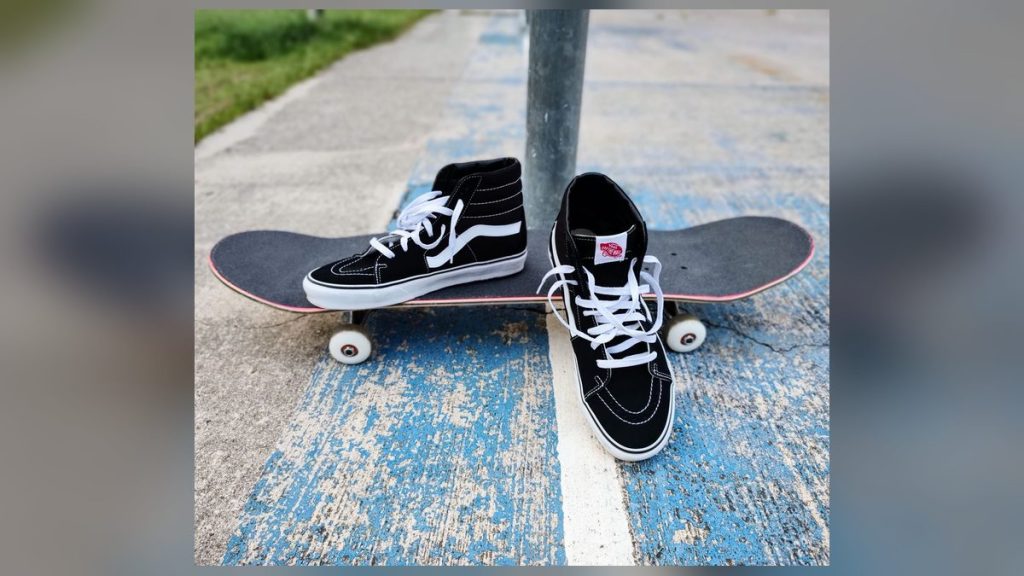
Vulcanized soles are flat and flexible — amazing board feel, faster break-in, less impact protection. Think Vans Authentics. Cup soles are thicker, with a raised edge wrapping the upper — more cushion, longer life, less feel. Think Nike SB Dunks. Beginners should lean toward cup soles. Advanced street skaters often prefer vulcs for the connection.
2. Upper Material
Suede is king. It’s tough, flexible, and grips your laces well during flip tricks. Leather is even more durable but stiffer at first. Canvas? Cheap and breathable, but it’ll shred fast. Avoid mesh-heavy uppers — they look sporty but tear in days.
3. Cushioning
If you skate stairs or gaps, get foam-loaded insoles like Nike’s Zoom Air or Adidas’s Boost. If you cruise and do flatground tricks, a thin EVA insole feels great. Match the shoe to your style — don’t just chase the most padded option.
4. Reinforced Ollie Area
The ollie zone (the spot where your front foot drags up the board) wears first. Look for double-stitching, suede toecaps, or reinforced rubber overlays here. This single feature can double the life of your shoe.
5. Fit & Lacing
A skate shoe should hug your foot — not crush it. Loose shoes mean lost tricks. Tight shoes mean blisters. Try them on with the socks you actually skate in. Most brands run true to size, but Vans tends to fit a hair big and Adidas a hair small.
Quick Comparison Table
Here’s a side-by-side look at all five shoes so you can spot the differences fast.
Top 5 Best Skate Shoes For 2026
Now the good stuff. Here are the five pairs I’d actually recommend to a friend in 2026, with honest pros, cons, and who each one is best for.
Which Shoe Matches Your Style?
Common Mistakes (And How To Fix Them)
I’ve made every one of these. So have your favorite skaters. Avoid them and you’ll save real money.
Mistake 1: Buying for looks, not function
Fix: The hyped colorway is rarely the best skater. Pick the model first, color second. Your ankles will thank you.
Mistake 2: Wearing skate shoes everywhere
Fix: Walking around all day kills the cushioning before you even skate them. Have a “skate pair” and a “walking pair” if you can.
Mistake 3: Ignoring the laces
Fix: Replace shredded laces immediately. Loose laces snag on your trucks and send you flying. Get lace protectors or shoe goo if you’re hard on flicks.
Mistake 4: Sizing wrong
Fix: Try them on with skate socks (medium thickness). Toe should have ¼ inch wiggle room, heel should not slip.
Mistake 5: Cheaping out on insoles
Fix: If your shoes feel hard, drop in an aftermarket insole like FP Insoles or Footprint Kingfoam. It’s a $40 fix that feels like a new shoe.
Pro Tips From Real Skaters
“Buy two pairs of the same shoe at once. Trust me — by the time the first pair dies, your favorite colorway will be sold out.” — every skater ever
- Shoe goo your ollie zone the day they arrive. A thin layer on the front of the toe doubles the lifespan.
- Rotate two pairs. Letting one dry while you skate the other prevents stink and lets the foam recover.
- Replace insoles, not shoes. A $20 insole can revive a shoe that feels “dead” in the heel.
- Learn to tie them tight at the ankle, looser at the toe. Lockdown without numb toes.
- Avoid puddles. Wet suede + grip tape = instant slip and instant shoe death.
- Wash carefully. Cold water, soft brush, no machine. Stuff with paper to keep shape.
- Buy on Tuesdays. Most skate brands drop new colorways midweek and discount older ones.
Real Rider Stories
Sometimes a quick story helps more than specs. Here are a few I’ve seen pop up across Reddit’s r/skateboarding, TikTok skate threads, and my own crew this year.
Mia, 17, Los Angeles — Skated her first year in Converse Chuck Taylors because they “looked cool.” Wore through three pairs in five months. Switched to Vans Skate Half Cabs and one pair lasted her almost five months — plus, she said her ankles stopped hurting after sessions.
Jordan, 28, Texas — Tried to do a 12-stair in mall sneakers (don’t ask). Walked away limping. Bought Adidas Tyshawn Pros the next week. Said the difference was “like skating on a couch compared to a wooden chair.” Stuck the 12 a month later.
Alex, 22, NYC — Got obsessed with switch flips and could never get the flick to feel right. Switched from chunky cup soles to NB Numeric 1010s, and — within a week — landed his first switch heel. The slim toe made all the difference.
The pattern is real: matching the shoe to the skater changes the skating. Don’t underestimate it.
Skate Shoes vs Other Wheel Sports Gear
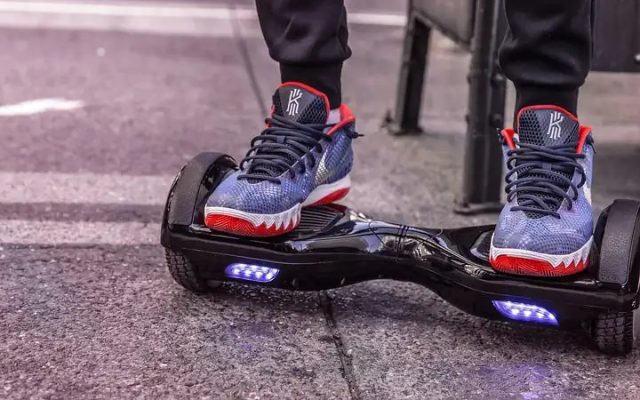
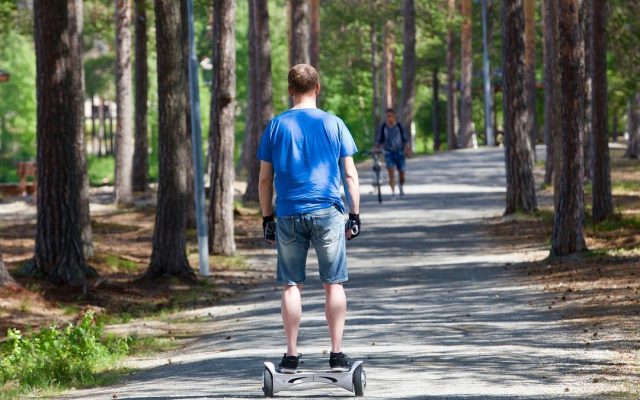
If you also ride a hoverboard, electric scooter, or longboard, you might wonder if you can use the same shoes. Short answer: it depends on the sport.
For hoverboard riders, almost any flat-soled shoe works fine since you’re not flicking the deck. For electric scooter commuters, you want a stiffer sole for footing on the deck — skate shoes are great. For longboarders, you’ll prefer a softer, low-profile shoe — vulcanized skate shoes are perfect.
For technical skateboarding, though? You really do need a real skate shoe. Generic athletic shoes don’t have the grip pattern, ollie reinforcement, or shock absorption built for tricks. Reading our buying guides will save you a lot of trial and error if you’re just getting into wheel sports in general. You can also get a feel for legit skater perspective on outlets like Thrasher Magazine and Red Bull Skateboarding.
Frequently Asked Questions
What makes a skate shoe different from a regular sneaker?
Skate shoes use grippier rubber soles, reinforced toes, padded collars, and tougher uppers built to take a beating from grip tape and hard landings. Regular sneakers fall apart in days under the same abuse.
How long do skate shoes usually last?
Most skate shoes last between 1 and 3 months for daily skaters. Casual riders can stretch them to 6 months or more depending on tricks and terrain. Cup soles tend to last longer than vulcanized.
Are vulcanized or cup soles better for beginners?
Cup soles are friendlier for beginners because they offer more cushioning and impact protection. Vulcanized soles give better board feel but feel harder underfoot until you’re used to them.
Should I size up or down in skate shoes?
Most skate shoes fit true to size. If you’re between sizes, go up half a size — the shoes break in tighter as the suede compresses. Vans run slightly large, Adidas slightly small.
Can I use running shoes for skateboarding?
You can, but it’s not safe. Running shoes have soft mesh that tears fast, slick soles that slip on grip tape, and no impact protection for big drops. Stick to actual skate shoes.
Are expensive skate shoes really worth it?
Sometimes. A $130 pair often lasts twice as long as a $60 pair, so the cost-per-month works out the same. But if you’re brand new, save money on your first pair — you’ll wear them out fast while learning anyway.
Final Buyer’s Checklist ✅
- ✅ Picked the sole type (cup vs vulc) based on how I skate
- ✅ Confirmed suede or leather upper — no fashion mesh
- ✅ Checked the ollie zone has reinforcement
- ✅ Tried them on with the socks I actually wear skating
- ✅ Sized so toes have ¼” wiggle, no heel slip
- ✅ Have a backup pair planned for when the first dies
- ✅ Ready to shoe goo the front of the toe day one
- ✅ Bought from a real skate brand, not a fashion knockoff
Ready To Roll?
Grab the pair that fits your style. Your feet (and your ankles) will thank you.
Final Thoughts
Picking the best skate shoes for skateboarding in 2026 isn’t about finding the most expensive or hyped pair — it’s about matching the shoe to how you skate. The Nike SB Dunk Low handles almost everything well. Beginners crush it in the Vans Skate Half Cab. Stair killers want the Adidas Tyshawn Pro. Tech skaters reach for the NB Numeric 1010. And purists who love board feel grab the Emerica Wino G6.
Whichever way you go, take care of them, swap insoles when they get tired, and don’t skate in puddles. Your shoes are your closest connection to the board — give them the respect they deserve, and they’ll give you back hours of great sessions.
Now go skate. 🛹