Best Electric Scooters for 10-Year-Olds in 2026
Safe, fun, just-right scooters for a 10-year-old rider, compared by speed, weight limit, and price, with parent-tested safety advice.
Shopping for electric scooters for 10 year olds can feel a little overwhelming at first. There are dozens of models, wildly different prices, and a lot of scary-sounding specs. The good news? Picking the right one is simpler than it looks once you know what actually matters for a kid this age.
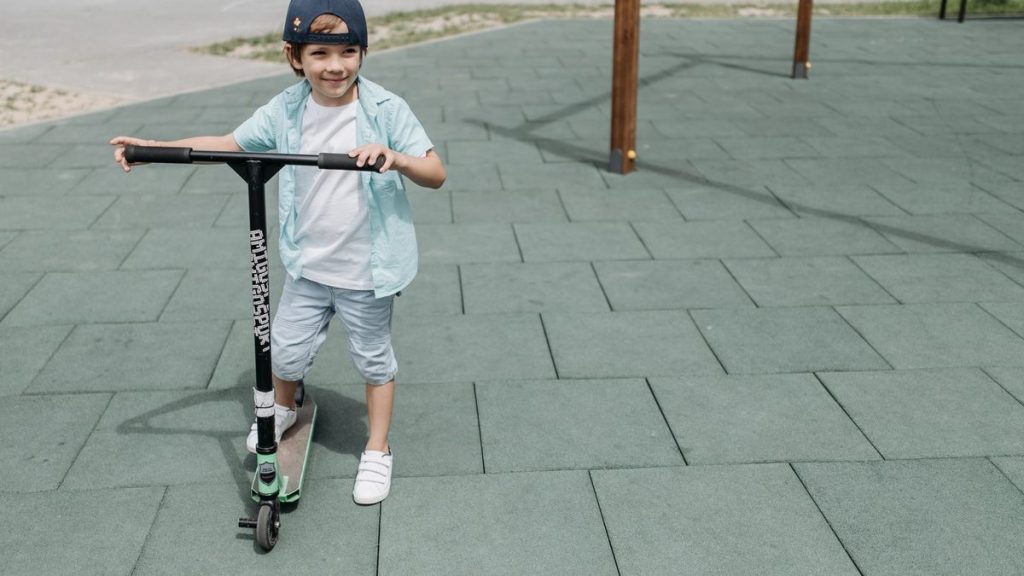
At 10, most children are ready for a real electric scooter, not just a toy. They usually have the balance, coordination, and common sense to handle a machine that moves on its own, as long as you match the scooter to their size and start them slow. The trick is finding something fast enough to be fun but safe enough that you can relax while they ride.
In this guide, we’ll walk through the best electric scooters for a 10-year-old in 2026, compare their speeds, weight limits, and prices, and cover the safety gear and rules every parent should know. Whether you want a budget starter or a scooter they can grow into, there’s a great fit here.
Is Your 10-Year-Old Ready for an Electric Scooter?
Every kid is different, but 10 is a sweet spot for a first electric scooter. By this age, most children have already ridden a regular kick scooter or a bike, so they understand balance, steering, and how to stop. An electric scooter simply adds a motor to skills they mostly already have. That said, readiness is about maturity as much as age. A calm, rule-following 10-year-old will do great. A kid who tends to get carried away and ignore boundaries may need a little more time, or a lot more supervision.
Think about how your child handles a bike. Do they look ahead, slow down near people, and stop when you ask? Those are the same habits that keep a scooter rider safe. If your child is on the smaller side, double-check the height and weight specs before you buy, since a scooter that’s too tall is genuinely hard to control. And if they’re nervous, that’s completely fine. A model with a low starting speed lets them build confidence at their own pace instead of being thrown in the deep end.
- Can ride a bike or kick scooter without help
- Listens and stops when you ask, even mid-ride
- Understands “look before you go” around people and driveways
- Is tall and heavy enough for the scooter’s specs, not too small
- Will actually wear a helmet without a fight
| Model | Top Speed | Weight Limit | Best Age | Range / Ride Time | Approx. Price |
|---|---|---|---|---|---|
| Razor E100 | 10 mph | 120 lb | 8+ | ~40 min ride | $130-$210 |
| Razor Power Core E90 | 10 mph | 120 lb | 8+ | Up to 80 min | $120-$150 |
| Gotrax GKS | 7.5 mph | 154 lb | 6-12 | ~4 miles | $130-$160 |
| FanttikRide C9 Pro | 10 mph (3 modes) | 132 lb | 8-12 | ~5 miles | $200-$230 |
| Segway Ninebot Zing E12 | 11.2 mph | 110 lb | 8-14 | ~6 miles | $230-$300 |
| Razor Power Core E100 | 10.7 mph | 120 lb | 8+ | ~60 min ride | $150-$180 |
What to Look For When Buying
Not all kids’ scooters are built the same. Two models at the same price can feel totally different to ride. Before you get lost comparing colors and battery numbers, focus on the handful of features that actually shape how safe and fun the scooter will be for a 10-year-old. Here they are, roughly in order of importance.
Speed and speed modes
For a 10-year-old, look for a top speed of about 8 to 12 mph. Even better is a scooter with two or three speed settings, so you can start at 5 or 6 mph and turn it up as they improve. A single fixed 15-mph speed is too much for most beginners and hard to walk back.
Weight limit and height
Match the scooter to your child, not just their age. Most kids’ scooters top out around 120 to 155 pounds, which is plenty. More important is handlebar height: an adjustable bar means the scooter fits now and still fits after a growth spurt, so you get more years out of it.
Kick-to-start throttle
The best kids’ scooters won’t move until the rider kicks off and reaches walking speed, and only then does the throttle engage. This “kick-to-start” feature prevents the sudden lurch that can throw a beginner off balance right at takeoff.
UL2272 safety certification
This certification means the scooter’s battery and electrical system passed fire-safety testing. It’s the single most important label to look for. Skip any cheap, no-name scooter that doesn’t clearly list it, no matter how good the price looks.
Tires and brakes
Air-filled (pneumatic) tires ride smoother but can go flat; solid rubber tires never puncture but feel a touch bumpier. Either is fine at these speeds. For brakes, what matters is that your child can easily reach and squeeze a hand brake or press a foot fender brake.
Best Electric Scooters for 10-Year-Olds in 2026
These are the models we’d actually put a 10-year-old on this year. They cover every budget and confidence level, from a gentle first ride to a scooter with room to grow. All of them are from trusted brands and carry proper safety certification, so you’re not gambling on a random listing.
Prices below are rough 2026 street prices and bounce around with sales, but they’ll give you a realistic idea of what to spend.
Razor E100 – Best overall starter
Up to 10 mph, a 120-lb limit, ages 8 and up, and a steel frame built like a tank. The twist throttle and hand brake are dead simple, and the kick-to-start keeps takeoffs smooth. At roughly $130 to $210, it’s the safe, proven pick for a first-timer and the one we recommend most.
FanttikRide C9 Pro – Best for cautious or growing riders
Three speed modes (5, 8, and 10 mph), a 132-lb limit, adjustable-height bars for kids 3.9 to 5.2 ft, and fun rainbow LEDs. UL2272 certified. At about $200 to $230, you control exactly how fast they go while they build confidence, then unlock more speed later.
Gotrax GKS – Best budget buy
A gentle 7.5-mph top speed, a 6-12 age range, and a light 17.5-lb aluminum frame make it easy to handle and easy to carry. Kick-to-start plus a gravity sensor throttle. Often under $150, it’s a fantastic, low-stress starter for smaller or nervous riders.
Segway Ninebot Zing E12 – Best to grow into
Built for ages 8 to 14 with an 11.2-mph top speed, roughly 6 miles of range, and app-based speed limits you can set as a parent. Around $230 to $300, it’s the pick if you want a scooter your 10-year-old won’t outgrow in a single year.
Razor Power Core E90 – Best low-maintenance option
Its hub motor is built right into the wheel, so there’s no chain to slip or oil, ever. Up to 10 mph, a 120-lb limit, and up to 80 minutes of ride time on a charge. Usually $120 to $150, it’s reliable and refreshingly simple to own.
How Fast and Powerful Should It Be?
Speed is the number parents obsess over, and for good reason. For a 10-year-old, the sweet spot is a top speed of 8 to 12 mph. That’s quick enough to feel exciting and keep up on a family ride, but slow enough that a spill usually means a scraped knee, not a trip to the ER. Scooters that only do 6 to 8 mph are perfect for nervous beginners, while 15-mph models are really teen territory.
Motor power, measured in watts, matters most if you have hills. A 100- to 150-watt motor is plenty for flat sidewalks and gentle slopes. If your neighborhood has real inclines, look for 180 watts or more so the scooter doesn’t crawl uphill. But don’t chase big motors for their own sake. More power usually means more speed and more weight, and a heavy scooter is harder for a small rider to manage, control, and carry back to the garage.
Safety Gear, Helmets, and Local Rules
A helmet is not optional. It’s the single most important thing you’ll buy alongside the scooter. Look for one that’s CPSC-certified and fits snugly, sitting level on the forehead with the straps forming a V under each ear. The American Academy of Pediatrics recommends helmets for every scooter rider, and for beginners, knee and elbow pads and even wrist guards are smart too. Bright clothing helps drivers and walkers spot your child from farther away.
The rules about where kids can ride vary a lot, so check before that first outing. In most U.S. states, riders have to be roughly 14 to 16 to use an electric scooter on public roads or bike lanes, which means a 10-year-old should stick to private property, driveways, and parks or paths where local rules allow it. Many cities also ban e-scooters from sidewalks to protect people on foot. When in doubt, keep it on your own property and well away from cars.
- CPSC-certified helmet, fitted snug and level (non-negotiable)
- Knee and elbow pads, especially for the first few weeks
- Wrist guards to protect against the instinct to catch a fall
- Closed-toe shoes, never sandals or bare feet
- Bright or reflective clothing so others see them coming
First Rides: Teaching Good Habits
How you handle the first few rides shapes everything that follows. Start somewhere flat, open, and free of cars: an empty parking lot, a school yard on the weekend, or a long driveway. Put the scooter on its lowest speed, get the helmet and pads on, and let your child practice the basics before they ever go fast. That means pushing off, easing into the throttle, and, most importantly, braking. Have them stop on your command a dozen times until it’s automatic.
Teach the “kick, then throttle” habit: kick off to a walking pace, then squeeze the throttle so the motor eases in smoothly instead of jerking. Practice turning in wide, slow circles in both directions. Once they can start, stop, and steer with real confidence, you can nudge the speed up a notch. Resist rushing this part. A patient hour of slow, almost boring practice builds the muscle memory that keeps them safe when a ball rolls into the street or a dog appears out of nowhere.
- Gear up first: helmet and pads on, every single time
- Start on the lowest speed in a flat, car-free space
- Master braking before anything else, practice stopping on command
- Use the kick-to-start, then feather the throttle gently
- Practice slow, wide turns in both directions
- Only raise the speed once starting, stopping, and steering feel easy
Care, Charging, and Making It Last
A kids’ scooter lasts far longer with a little care, and the battery is the part that needs it most. Charge it after each ride and try never to leave it fully dead for weeks at a time, which is the fastest way to ruin a battery. Don’t leave it charging overnight unattended, and store it indoors at room temperature rather than a freezing garage or a hot car. Extreme temperatures wear lithium batteries down surprisingly quickly.
The rest is easy. Before rides, run a quick check: give the brakes a squeeze, look the tires over and top up air-filled ones if they feel soft, and make sure the folding latch and handlebar are locked tight. Wipe off dirt now and then, and keep an eye on any bolts that work loose over months of use. A scooter that’s charged, clean, and checked is a scooter that stays safe and holds its value if you pass it down to a younger sibling later.
- Charge after each ride; never store the battery fully drained
- Keep it indoors at room temperature, out of extreme heat or cold
- Squeeze-test the brakes before every ride
- Check tire pressure or wear, and keep bolts snug
- Confirm the folding latch and handlebar lock tightly each time
| Rider Type | Suggested Top Speed | Why It Works |
|---|---|---|
| First-timer / nervous | 5-6 mph | Learn balance, steering, and braking with zero fear |
| Getting comfortable | 8 mph | More fun and a bit quicker, still easy to control |
| Confident 10-year-old | 10-12 mph | Keeps up on longer rides while staying manageable |
| Not recommended yet | 15+ mph | Too fast for most kids this age, save it for the teen years |
| Budget | Typical Top Speed | What You Get | Example Models |
|---|---|---|---|
| Under $150 | 7-10 mph | Dependable starter, solid tires, shorter range | Gotrax GKS, Razor Power Core E90 |
| $150-$230 | 10 mph | Better range, adjustable height, speed modes, LEDs | Razor E100, FanttikRide C9 Pro |
| $230-$350 | 11-12 mph | App speed limits, lights, longer range, room to grow | Segway Ninebot Zing E12 / C2 Pro |
Common Mistakes (and How to Fix Them)
Fix: A 15-mph scooter looks exciting but overwhelms most beginners. Start with a model that caps at 8 to 10 mph, or better yet one with 5/8/10 speed modes, so you control how fast they go while they learn the basics.
Fix: Match the specs to your actual child, not just their age. A scooter that’s too tall is hard to steer, and a rider near the weight limit loses power and range. Check both numbers before you buy, and favor adjustable handlebars.
Fix: Make a CPSC-certified helmet non-negotiable from ride one, and keep early rides on private property or quiet, car-free spots. Most states don’t allow kids this young on public roads anyway, so there’s no reason to risk it.
Fix: Rock-bottom scooters often skip UL2272 battery certification and use weak brakes. Stick to known brands like Razor, Gotrax, Segway, or FanttikRide, and confirm the safety certification is clearly listed before you check out.
Pro Tips
- 💡 Do the very first ride in an empty parking lot or long driveway, at the lowest speed, with you walking alongside.
- 💡 Buy the helmet in the same order as the scooter so it arrives together and becomes part of the routine from day one.
- 💡 Choose adjustable handlebars so the scooter still fits after a growth spurt, and you get more years out of it.
- 💡 Teach the “kick, then squeeze the throttle” start, and practice braking before you ever touch speed mode two.
- 💡 Charge the battery after each ride and never store it fully dead, that’s the easiest way to make it last for years.
A Real-Life Example
When we got our daughter a Razor E100 for her tenth birthday, I’ll admit I was nervous. She’d never ridden anything with a motor. We spent the first weekend in an empty church parking lot, speed on the lowest setting, helmet on, me jogging alongside like a total worrier. By Sunday she was carving smooth circles and braking on command. Three months later she rides up and down our quiet cul-de-sac after school, and the helmet goes on without a single reminder. Starting slow and boring absolutely paid off.
The one thing I’d do differently? I’d have bought the helmet and knee pads in the same order as the scooter. We waited a week for the pads to ship, and that week of ‘just be careful’ rides made me far more anxious than it needed to be.
Frequently Asked Questions
Most kids’ electric scooters are made for ages 8 and up, which makes 10 a great age to start. By 10, most children already have the balance and judgment they picked up from riding a bike or kick scooter. Just match the scooter’s weight limit and height range to your specific child, and begin on the slowest speed setting.
Aim for a top speed of about 8 to 12 mph for a 10-year-old. Beginners should start even slower, around 5 to 6 mph, which is why scooters with two or three speed modes are ideal. Anything that only does 15 mph or more is really built for teens, not younger kids.
Yes, electric scooters are safe for 10-year-olds when you pick the right model and add basic gear. Choose a scooter with a low starting speed, a kick-to-start throttle, and UL2272 certification. Add a properly fitted helmet, teach braking first, and keep early rides in a driveway or empty lot away from traffic.
In most U.S. states, a 10-year-old is too young to legally ride an electric scooter on public roads or bike lanes, and many cities ban them from sidewalks too. That usually leaves private property, driveways, and some parks or paths where local rules allow. Always check your city and state laws, because they vary a lot and fines can be steep.
Pick a scooter whose weight limit comfortably exceeds your child’s weight, with room to grow. Most kids’ scooters support 120 to 155 pounds, which covers the vast majority of 10-year-olds. A rider near the limit gets less speed and range, so a little headroom keeps the ride peppy and the motor happy.
You can get a solid, safe electric scooter for a 10-year-old for $130 to $250. Under $150 buys a dependable starter like the Gotrax GKS or Razor Power Core E90. Spending $200 to $300 adds range, adjustable height, app features, and a little more speed they can grow into. You don’t need to spend more than that for a kid this age.
Final Checklist ✅
- ✅ Confirm the scooter’s weight limit and height range fit your child, with room to grow
- ✅ Choose a model with a low starting speed or two-plus speed modes
- ✅ Look for UL2272 safety certification on the battery
- ✅ Buy a CPSC-certified helmet, and add knee and elbow pads for beginners
- ✅ Check your state and city rules for where a 10-year-old can legally ride
- ✅ Pick a safe first-ride spot: an empty driveway, lot, or quiet cul-de-sac
- ✅ Set a charging habit so the battery stays healthy for years