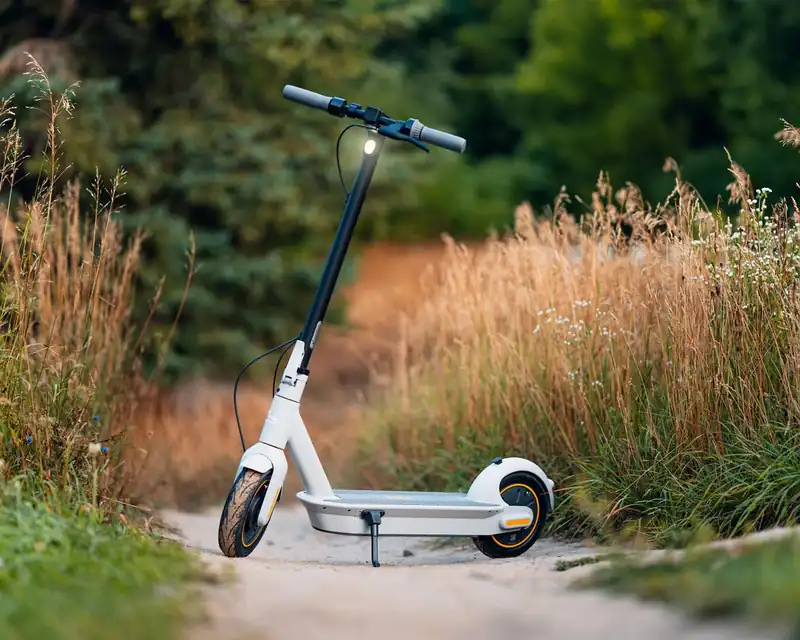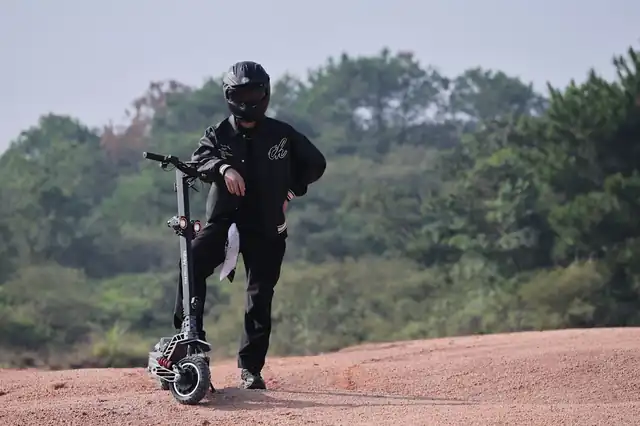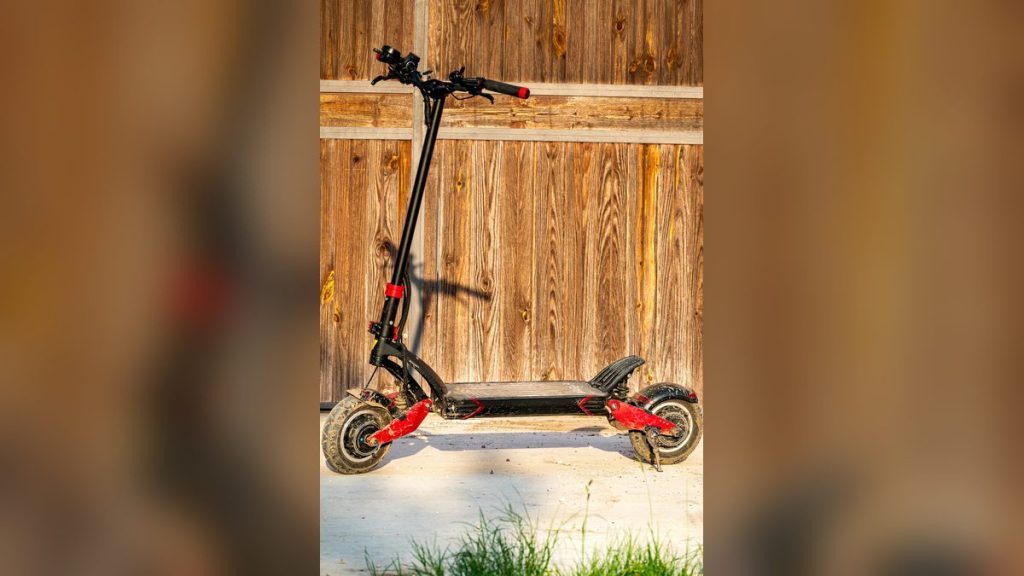
Sturdy, high-capacity electric scooters built to carry bigger and taller riders in comfort, plus how to pick the right weight rating.
If you are a bigger or taller guy, shopping for electric scooters for big boys can feel like a maze. Half the models you see are rated for only 220 pounds. The other half sag, wobble, or crawl up hills the moment a heavier rider steps on. It is annoying, and it is why so many big riders end up disappointed with their first scooter.
Here is the good news. In 2026 there are real, well-built scooters made to carry 300, 350, even 440 pounds without complaining. They have thicker frames, stronger motors, wider decks, and suspension that actually soaks up bumps instead of bottoming out. You just have to know which numbers matter and which ones are marketing fluff.
This guide keeps it simple. We will walk through what to look for, the best heavy-duty scooters you can buy right now, real prices, and the little setup tricks that keep a scooter running strong under a heavier load. No jargon, just straight advice from someone who has ridden these things.
What “Big Boys” Really Means When Buying a Scooter
“Big” can mean two things, and they matter for different reasons. The first is weight. A heavier rider puts more stress on the frame, the motor, the tires, and the brakes. The second is height. A taller rider needs a longer deck and a handlebar that sits high enough so you are not hunched over like a folded lawn chair. Plenty of scooters can hold the weight but feel cramped for a 6-foot-3 guy. You want both boxes checked.
The single most important number is weight capacity, but it is not the whole story (more on that soon). Beyond that, a scooter for a larger rider should have a torquey motor so hills do not kill your speed, a suspension system so bumps do not rattle your teeth, and good brakes because heavier riders need more room to stop. Get those right and the whole ride changes. It feels planted and confident instead of flimsy.
Think of it like buying work boots instead of dress shoes. You are not chasing the flashiest thing. You are chasing something built to take a beating and keep going. Below are the features that separate a real heavy-rider scooter from a toy that happens to have a big number on the box.
- High weight capacity: at least 50 pounds above your body weight, gear included
- A strong motor: 500W or more, and dual motors if you have hills
- Suspension: spring or hydraulic, front and rear is best for heavy riders
- A wide, long deck so big feet and taller riders have room to stand
- A tall or adjustable stem so you are not stooping over the bars
- Real brakes: hydraulic or dual disc, not a flimsy foot brake alone
- Pneumatic (air-filled) tires, 10 inches or bigger, for comfort and grip
| Model | Weight Capacity | Motor / Power | Top Speed | Range | Approx. Price |
|---|---|---|---|---|---|
| Hiboy Titan Pro | 330 lb | Dual, up to 2,400W peak | ~33 mph | Up to 80 mi | $1,300-$1,530 |
| EMOVE Cruiser S | 352 lb | 1,000W single | 33 mph | 62 mi | ~$1,399 |
| Varla Eagle One Pro | 330 lb | Dual 1,000W (2,000W peak) | Up to 45 mph | ~40 mi | ~$1,499 |
| Kaabo Wolf King GTR | 330 lb | Dual 2,000W | Very high | Long | ~$2,500 |
| CUNFON RZ1000 | 440 lb | Dual 1,600W | ~31 mph | Long | ~$1,800 |
The Best Electric Scooters for Big Boys in 2026
These are the models that big and tall riders keep coming back to. Every one of them is rated for 330 pounds or more, and each has the frame, motor, and brakes to back that number up. They range from a long-range value champ to a full-on off-road beast, so there is something here whether you commute a few flat miles or want to blast up steep hills.
Check the comparison table for the quick numbers, then read the short breakdowns below to find your match. Prices are approximate 2026 street prices and shift with sales, so always check the current price before you buy.
Hiboy Titan Pro – Best All-Around Pick
This is the sweet spot for most big boys, and it is our top pick. The 2026 Titan Pro carries up to 330 pounds on a reinforced 6061 aluminum frame, runs dual motors making up to 2,400W of peak power, and climbs 35 percent grades without gasping. You get around 32 to 33 mph, up to 80 miles of range on the big 48V battery, 10-inch pneumatic tires, dual hydraulic brakes, and dual suspension. It is UL 2272 safety certified too. At roughly $1,300 to $1,530 on sale, it gives you premium heavy-rider hardware for a mid-range price. If you want one scooter that does everything well for a larger rider, start here.
EMOVE Cruiser S – Best for Long Range and Max Capacity
The Cruiser S has the highest weight rating of any mainstream scooter at a huge 352 pounds, so it is the go-to if you are on the heavier end. It pairs that with a genuine 62-mile range from its 52V 30Ah battery, a 33 mph top speed, hydraulic brakes, and an IPX6 water rating that laughs at rain. All this for about $1,399. It is a single-motor scooter, so it is not the fastest hill-climber in this list, but for flat-to-rolling commutes and all-day range, few scooters treat a big rider this well for the money.
Varla Eagle One Pro – Best All-Terrain
Love trails and rough roads? The Eagle One Pro is rated for 330 pounds, runs dual 1,000W motors (2,000W peak), and hits up to 45 mph. Its off-road tires, dual suspension, and hydraulic brakes shrug off gravel, grass, and potholes that would rattle a lesser scooter apart. It usually runs around $1,499. Big riders who ride where the pavement ends will appreciate how planted and tough it feels. Varla suggests keeping under 265 pounds for peak efficiency, so if you are near the top of the rating, expect slightly less range.
Kaabo Wolf King GTR – Best Premium Performance
When you want serious speed and power with a 330-pound rating, this is the monster. Dual 2,000W motors deliver 4,000W of continuous grunt, so hills and heavy riders barely slow it down. It has top-tier suspension, big brakes, and a battery for long, fast rides. At around $2,500 it is an investment, and it is heavy and large, so it is overkill for a short flat commute. But for a big rider who wants a no-compromise machine that will never feel underpowered, the Wolf King GTR delivers.
CUNFON RZ1000 – Best for 400-Pound-Plus Riders
If most scooters do not go high enough for you, this one does. The RZ1000 is rated for a massive 440 pounds, thanks to dual 1,600W motors, front and rear suspension, and wide 10.5-inch tires. It tops out around 31 mph and stays stable and comfortable under very heavy loads. Priced in the ballpark of $1,800, it is the honest answer for riders who need real 400-plus-pound capacity and cannot find it anywhere else. Confirm the current listing and specs before buying, as the very-high-capacity segment changes fast.
Weight Capacity: Read the Number the Right Way
Here is the truth almost no product page tells you: the rated weight capacity is a ceiling, not a comfort zone. A scooter rated for 265 pounds does not feel great at 264. It flexes, the acceleration drags, the range drops, and the parts wear faster. That is why the +50 pound buffer rule exists. You want headroom so you are riding in the sweet spot, not scraping the limit.
And remember to weigh the whole load, not just yourself. Your backpack, work gear, a heavy jacket, groceries, a phone and lock, maybe a helmet clipped on. It adds up fast, often 15 to 25 pounds. If you weigh 250 and carry a loaded bag, you are really a 270-pound load, and you should shop like it.
There is a performance cost to being near the limit, too. A heavier rider will usually see 15 to 30 percent less range than the advertised number, slower acceleration, and noticeably slower hill climbs. That is normal physics, not a defect. The fix is buying more scooter than you think you need: a bigger battery, a stronger (or dual) motor, and a higher rating. Use the table below to match your real weight to the minimum rating you should look for.
Fit, Comfort, and Safety for Larger and Taller Riders
Weight is only half of “big.” If you are tall, fit matters just as much. Look at the stem height, the distance from the deck to the handlebar. Many budget scooters top out around 38 to 40 inches, which forces a tall rider to hunch. Heavy-duty models and taller stems (42 inches and up) let you stand upright and stay comfortable on longer rides. A longer, wider deck helps too, giving big feet room to shift stance instead of standing frozen in one cramped spot.
Suspension and tires are where comfort lives. Front-and-rear suspension keeps bumps from slamming straight into your knees and back, which matters more the heavier you are. Air-filled (pneumatic) tires cushion the ride and grip better than hard solid tires, especially in the wet. The trade-off is that pneumatic tires can puncture, so you have to keep an eye on pressure. For most big boys, that trade is worth it.
Brakes deserve special attention. A heavier rider carries more momentum, so you need more distance to stop. Hydraulic disc brakes or dual disc brakes give you strong, predictable stopping power that a single foot brake simply cannot match. Practice braking early and using both brakes together. The table below breaks down the tire choice so you can pick with confidence.
How Much Should a Big Rider Spend?
Let us be honest about money. The cheapest scooters, the $400 to $600 ones you see everywhere, are almost all rated for 220 pounds. For most big boys, they are simply the wrong tool. They will feel slow, sag on hills, and wear out fast. Chasing a bargain here usually means buying twice.
The real sweet spot for larger riders sits in the $1,200 to $1,600 range. That is where you find genuine 330-to-352-pound ratings, dual suspension, hydraulic brakes, and batteries big enough to survive a heavy load, models like the Hiboy Titan Pro, EMOVE Cruiser S, and Varla Eagle One Pro. If you have steep hills, need 400-plus-pound capacity, or want maximum speed and toughness, the $1,800 to $2,500 premium tier (CUNFON RZ1000, Kaabo Wolf King GTR) is worth it.
Think of the extra cost as buying durability. A well-matched scooter carries you comfortably for years. An underrated bargain scooter frustrates you in month one and dies in year one. Spend once, ride happy.
Entry tier (roughly $500-$800)
Mostly 220-pound ratings. Fine for lighter or short-distance riders, but a poor match for most big boys. If you must shop here, look hard for a model that explicitly states 260-plus pounds and has air tires.
Mid tier (roughly $1,200-$1,600)
The heavy-rider sweet spot. Real 330-to-352-pound capacity, suspension, hydraulic brakes, and big batteries. This is where most big and tall riders should focus their budget.
Premium tier (roughly $1,800-$2,500+)
For very heavy riders, serious hills, off-road use, or top speed. Expect 400-plus-pound options, dual high-power motors, and premium suspension. Overkill for a flat city commute, perfect for demanding riders.
Care Tips to Make It Last Under a Heavier Load
A heavy rider is harder on a scooter, so a little maintenance goes a long way. The number one habit is tire pressure. Keep pneumatic tires near the top of their recommended PSI range. Underinflated tires on a heavy rider cause sluggish acceleration, extra battery drain, and pinch flats where the tube gets crushed against the rim. Check pressure every week or two with a simple gauge.
Next, keep an eye on bolts. The stem, folding hinge, and handlebar clamp take more stress under a heavier load and can loosen over time. Give them a quick check and gentle re-torque every couple of weeks. A loose stem is dangerous, and catching it early takes thirty seconds. Brake pads and rotors also wear faster for big riders, so inspect them monthly and replace pads before they are gone.
Finally, treat the battery kindly. For daily use, charging to about 80 to 90 percent instead of a full 100 rests easier on the cells and stretches their life. Avoid slamming off big curbs, which shocks the frame and wheels, and try to keep your weight centered over the deck rather than far forward or back. Do these small things and your scooter will stay strong for years, not months.
- Keep tires near max PSI and check every 1-2 weeks
- Re-torque stem, hinge, and clamp bolts regularly
- Inspect brake pads monthly; replace before fully worn
- Charge to 80-90% for daily riding to protect the battery
- Roll off curbs slowly instead of dropping off them
- Stand centered on the deck for the best balance and grip
| Your Total Weight (Body + Gear) | Look for a Scooter Rated At Least | Good Matches |
|---|---|---|
| Under 230 lb | 280 lb | Most mid-range scooters; skip 220 lb budget models |
| 230-260 lb | 310 lb | Hiboy Titan Pro, Varla Eagle One Pro (330 lb) |
| 260-290 lb | 340 lb | EMOVE Cruiser S (352 lb) or a dual-motor 330 lb model |
| 290-320 lb | 370 lb | CUNFON RZ1000 (440 lb) or a premium build |
| 320 lb and up | 400 lb+ | 440 lb-rated scooters only; verify frame and tires |
| Factor | Pneumatic (Air) Tires | Solid Tires |
|---|---|---|
| Comfort for big riders | Better; cushions bumps | Harsh; shock goes to your body |
| Flat risk | Can puncture; check PSI | No flats, ever |
| Grip and traction | Stronger, especially wet | Weaker, slippier when wet |
| Maintenance | Check pressure regularly | Almost none |
| Best for big boys | Recommended for most | Only short, smooth commutes |
Common Mistakes (and How to Fix Them)
Fix: Most budget scooters cap at 220 lb and will sag, crawl on hills, and wear out fast under a big rider. Spend up in the $1,200-$1,600 range for a genuine 330-lb model. You will buy once instead of twice.
Fix: A backpack, jacket, lock, and groceries can add 15-25 lb. Weigh your real riding load, then add a 50-lb buffer on top of that when choosing a capacity rating.
Fix: A high top-speed number means little if the motor bogs down on inclines under your weight. Look at motor watts and the rated hill grade, and pick dual motors if you have any hills.
Fix: A scooter can hold your weight but still feel cramped if you are tall. Check the stem height (42 inches or more is comfy for tall guys) and choose a longer, wider deck so you are not hunched over.
Pro Tips
- 💡 Keep pneumatic tires near the top of their PSI range. Firm tires roll easier, save battery, and prevent pinch flats under a heavier load.
- 💡 Brake early and use both brakes together. Heavier riders carry more momentum and need more room to stop, especially downhill or in the rain.
- 💡 If you have hills on your route, spend up for dual motors. The difference in climbing under a big rider is night and day.
- 💡 Re-torque the stem, hinge, and clamp bolts every week or two. They loosen faster under heavier loads, and a loose stem is the last thing you want.
- 💡 Charge to about 80-90 percent for daily rides. It eases stress on the battery cells and stretches their lifespan under heavy use.
A Real-Life Example
Marcus is 6 foot 2 and rides around 265 pounds with his work bag. His first scooter was a $550 budget model rated for 220 pounds. It felt fine in the parking lot, but on his real commute it wallowed on every small hill, the range was half of what the box promised, and within a few months the deck had a permanent flex. He felt like he was fighting the scooter instead of riding it.
He switched to a Hiboy Titan Pro rated for 330 pounds. The difference was instant. It climbed the same hills without slowing, the taller stem let him stand up straight, and the dual suspension smoothed out the cracked pavement he used to dread. His takeaway was simple: for a big rider, the right capacity is not a luxury, it is the whole ballgame.
Frequently Asked Questions
For most big riders, the Hiboy Titan Pro is the best all-around choice. It carries up to 330 pounds, runs dual motors for strong hill climbing, and has dual suspension and hydraulic brakes, all at a mid-range price. If you are on the heavier end or want maximum range, the EMOVE Cruiser S (rated 352 pounds, 62-mile range) is the value champ. Both are built to stay fast and stable under a larger rider instead of sagging.
Yes, absolutely, as long as you choose the right scooter. A 300-pound rider should look for a model rated around 350 pounds or more to keep a safe buffer. Good options include the EMOVE Cruiser S (352 lb) and the CUNFON RZ1000 (440 lb). Avoid standard budget scooters, which usually top out at 220 pounds and are not built for heavier riders. Match the rating to your real weight plus gear and you will ride comfortably.
It varies a lot by model. Cheap commuter scooters typically hold 220 pounds, mid-range scooters handle 265 to 300 pounds, and heavy-duty models are rated for 330 to 352 pounds. A few specialty scooters like the CUNFON RZ1000 go all the way to 440 pounds. Always check the rating and give yourself a 50-pound buffer above your body weight plus whatever gear you carry.
Yes, and it is completely normal. A heavier rider usually sees 15 to 30 percent less range than the advertised number, plus slower acceleration and slower hill climbs. This is basic physics, not a defect. The way to fight it is to buy more scooter than you think you need: a bigger battery measured in watt-hours, a stronger or dual motor, and a higher weight rating so you are not riding at the limit.
They can be, if you check the fit before buying. Tall riders should look for a stem height of about 42 inches or more so you are not hunched over the handlebars, plus a longer, wider deck for foot room. A cramped scooter is tiring and less stable on long rides. Weight rating and height fit are two separate things, so confirm both. Many heavy-duty models are also taller, which works out well for bigger and taller guys.
Riding over the limit strains the motor, drains the battery faster, wears the tires and brakes quicker, and can flex or crack the frame over time. It also lengthens your stopping distance and can void the warranty. Short story: it is not safe and it shortens the scooter’s life. Stay under the rating with a comfortable buffer, and pick a heavy-duty model instead of pushing a lightweight one past what it was built to do.
Final Checklist ✅
- ✅ Weigh yourself with your usual gear (bag, jacket, lock) to get your real riding weight
- ✅ Add at least 50 pounds to that number and shop for scooters rated that high or higher
- ✅ Choose a strong motor: 500W-plus, and dual motors if your route has hills
- ✅ Check the stem height (aim for 42 inches or more if you are tall) and deck size
- ✅ Confirm it has hydraulic or dual disc brakes for strong, safe stopping
- ✅ Pick 10-inch-plus pneumatic tires and plan to keep them near max PSI
- ✅ Verify UL 2272 safety certification and a solid warranty before you buy