A friendly look back at the LeRay hoverboard, why it disappeared after the 2016 fire recalls, and the safe, UL 2272-certified board to ride instead.
If you have been searching for the LeRay self-balancing hoverboard, you have probably run into a wall. There is no price, no “buy now” button, and no fresh reviews. That is not a glitch on your end. The LeRay self-balancing hoverboard was one of the most talked-about boards of 2016, and then it simply disappeared. This guide explains what it was, why it vanished, and what to ride instead.
Back in the day, the LeRay (often sold as the “Dreamwalker”) was a friendly, budget board that first-timers loved. It had twin motors, glowing LED lights, and a gentle top speed that made learning easy. Riders said they got the hang of it in under ten minutes. For a while, it felt like the future of getting around the block.
But 2016 was also the year hoverboards started catching fire. Safety rules changed almost overnight, and boards that could not prove they had been tested got pulled from shelves. The LeRay was one of them. Below, we will walk through its real specs, the recall story, whether an old one is safe today, and the modern, fire-tested board we would hand a new rider right now.
This article is part of our best hoverboards and reviews hub, which lists every hoverboard review on the site.
What Was the LeRay Self-Balancing Hoverboard?
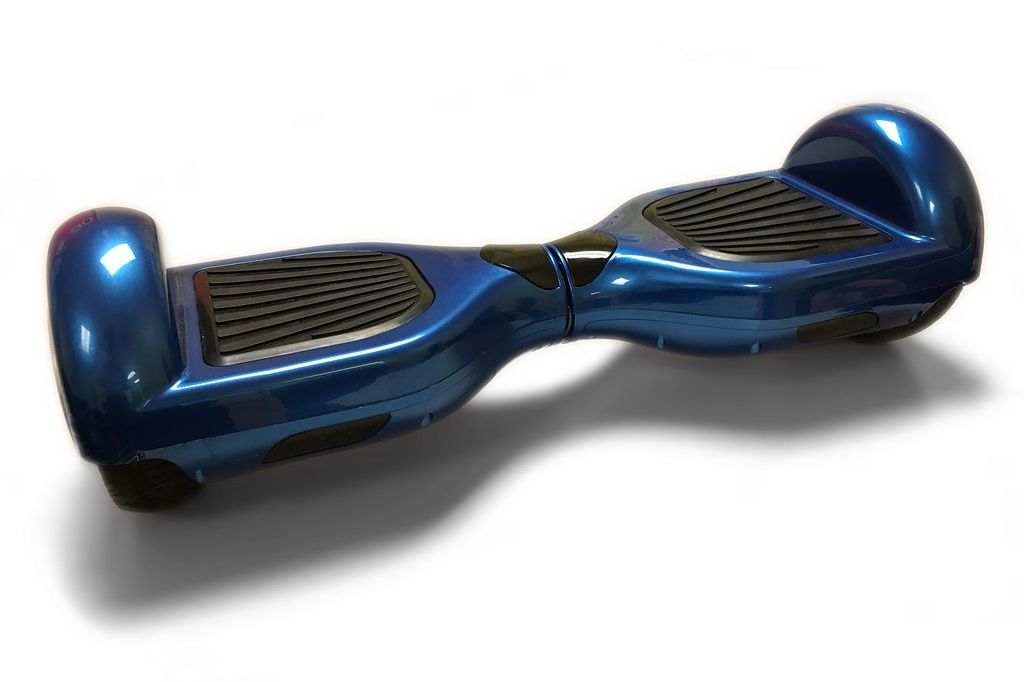
The LeRay was a classic two-wheel hoverboard from the first big wave of self-balancing scooters. It rolled on 6.5-inch wheels, the small, smooth tires you picture when you think of an early hoverboard. The design was the familiar clamshell shape with two footpads and a pivot in the middle. You leaned forward to go and eased back to slow down. Simple, and for 2016, kind of magical.
It was sold under the LeRay name, with the popular “Dreamwalker” edition, and came in five colors: blue, green, red, white, and black. The board was aimed at everyday riders and gift-buyers, not hardcore enthusiasts. Twin motors gave it enough push to carry grown adults, and a small bank of LED lights on the deck added a bit of flash without looking tacky.
What made the LeRay stand out was how easy it felt. The company built in a cluster of gyroscopes and balance sensors that kept the deck steady, so nervous beginners did not feel like they were about to fall off. Most people said they could ride with confidence after about eight to ten minutes of practice. For its time, that was a genuine selling point, and it helped the LeRay become a minor star before it quietly faded away.
- Classic 6.5-inch wheels built for smooth pavement
- Twin motors with enough power for adult riders
- Deck LED lights for a bit of night visibility
- Beginner-friendly balancing that took minutes to learn
- Sold in five colors under the LeRay “Dreamwalker” name
| Spec | LeRay (2016) |
|---|---|
| Wheel size | 6.5-inch smooth tires |
| Top speed | About 6 mph |
| Range per charge | About 6 miles (claimed up to 9) |
| Battery | Lithium-ion |
| Charge time | Under 2 hours (80% in under 1 hour) |
| Max rider weight | 200 lb |
| Max incline | 15 degrees |
| Motors | Twin (dual) motors |
| Extras | Deck LED lights, Bluetooth on some models |
| Safety certification | None (pre-UL 2272) |
| Status today | Discontinued / not sold |
LeRay Specs and Features, Explained
On paper, the LeRay was a solid entry-level board. Its twin motors pushed it to a top speed of about 6 mph, which is a comfortable jogging pace and a smart ceiling for new riders. The lithium-ion battery was rated for roughly 6 miles of range, or about an hour of riding, though some listings claimed up to 9 miles under perfect conditions. Real-world range always lands lower once you add hills, cold weather, and a heavier rider.
Charging was quick for its era. LeRay said the battery could reach about 80 percent in under an hour and fully top up in under two. The board handled inclines up to 15 degrees, so gentle driveway ramps were no problem, though steep hills would slow it right down. It carried riders up to 200 pounds, which covered most adults comfortably.
The comfort trick was in the sensors. LeRay used a set of gyroscopes and balance accelerators to smooth out wobble and soak up small bumps, which is why the ride felt planted instead of twitchy. Some versions added a Bluetooth speaker so you could play music, and the LED deck lights gave it a modern look. Here is how the core numbers stacked up.
Why the LeRay Vanished: The 2016 Hoverboard Fire Scare
The LeRay did not fail because it was slow or boring. It got caught in the biggest safety story hoverboards have ever had. In late 2015 and early 2016, cheap hoverboards started overheating and catching fire. The U.S. Consumer Product Safety Commission (CPSC) eventually linked more than 300 fire or overheating reports to these boards, and some of those fires destroyed homes.
The problem was almost always the battery. Many early boards used low-quality lithium cells and chargers with no real safety testing. So in February 2016, Underwriters Laboratories rolled out a new standard called UL 2272. It tests the whole electrical system, not just the battery, for fire and shock risk. On February 23, 2016, Amazon pulled nearly every hoverboard from its store until sellers could prove they passed. That July, the CPSC recalled more than 500,000 boards from about ten companies.
The LeRay claimed it used a safe battery pack, but it could not show the UL 2272 listing that stores now demanded. Without that paper trail, it lost its spot on Amazon and eBay and never really came back. The brand itself went quiet, and today there is almost no trace of the company left. It is a clear example of how fast the rules changed, and how many small brands simply could not keep up.
Is an Old LeRay Safe to Ride Today?
Let us be honest and clear: we would not ride a LeRay in 2026, and here is why. The board is close to a decade old now, and its biggest risk was always the battery. Lithium-ion cells do not age gracefully. After years of sitting in a closet or garage, they can lose capacity, swell, or short out. A pack that was borderline in 2016 is riskier today, not safer.
The LeRay also never carried UL 2272 certification, the safety listing that every trustworthy board has now. That means its charger and wiring were never tested to the current standard. Mixing in a random replacement charger, which many old-board owners end up doing, makes things worse, because the wrong charger is one of the most common causes of overheating.
If you have inherited or found a LeRay, treat it as a collector’s curiosity, not a daily ride. Do not charge it overnight or leave it plugged in and unattended. Check the battery pack for any swelling, a bulging shell, or a chemical smell. If you see any of those, stop and recycle it properly at a battery drop-off. For actually getting around, spend the money on a new, certified board. The peace of mind is worth far more than the nostalgia.
The Best Modern Replacement for the LeRay
The good news is that today’s hoverboards are far safer and, honestly, more fun. If you liked the idea of the LeRay, a friendly 6.5-inch board with lights and music, you can get that same feel with none of the fire worry. The board we would point most new riders to is the Gyroor G13. It hits the same sweet spot the LeRay aimed for, but it is UL 2272 certified from the battery to the charger.
The G13 rides on 6.5-inch rubber tires, so it feels familiar, but Gyroor made them a little more rugged so they handle grass, gravel, and cracks better than the old smooth wheels. Dual 250W motors give it a top speed of about 7.75 mph and let it climb 15-degree hills. The battery is good for up to 8 miles, and there is a Bluetooth speaker and glowing LED wheels, just like riders loved on the LeRay, only brighter.
One honest note on fit: the standard G13 is rated for riders up to about 176 pounds, which makes it perfect for kids, teens, and lighter adults. If you are a heavier or taller adult, size up to an 8.5-inch board like the Gyroor Warrior, which carries more weight and rolls over rough ground with ease. Match the board to the rider and your first month will go a whole lot smoother.
For kids and first-timers
The G13’s balance mode is forgiving and the 7.75 mph top speed is quick enough to be fun without being scary. Most kids are riding laps within ten minutes.
For heavier or taller adults
Look at an 8.5-inch board such as the Gyroor Warrior or a Hover-1 model with a higher weight limit. Bigger wheels mean a smoother, more stable ride.
For rough driveways and grass
All-terrain rubber tires make a real difference. Skip the smallest smooth wheels if your street is cracked or your yard is bumpy.

How to Ride Your First Hoverboard
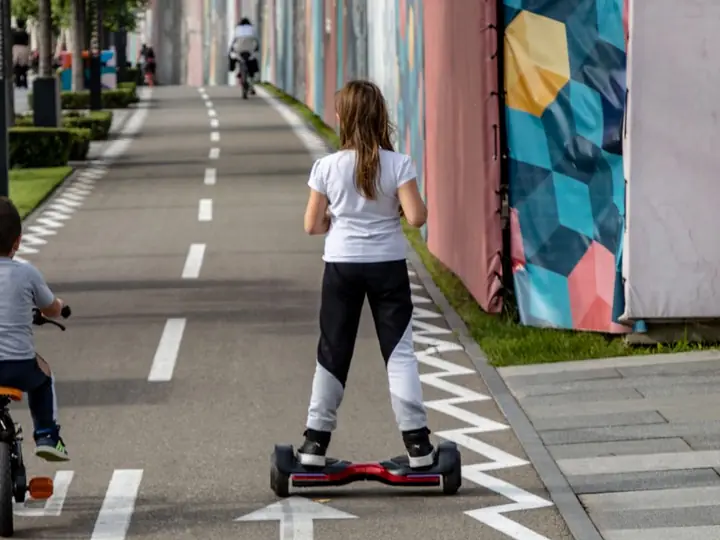
Riding a hoverboard looks harder than it is. The trick is to trust the board’s balancing and make small moves, not big ones. Start on a flat, open space like a driveway or an empty stretch of smooth floor. If you can, stand next to a wall or have a friend give you a hand for the first minute or two.
Step on with your strong foot first, then bring the other foot up quickly so the board levels out. Keep your feet wide, near the outer edges of the pads, because that gives you more control. Stand up straight and look ahead, not down at your feet. To move, lean forward just a little from your ankles. To slow down, ease back. Turning is all in the ankles too: press your toes or heels gently to steer.
Give yourself about ten minutes of slow practice before you try anything faster. Practice getting on and off until it feels natural, since most spills happen while mounting or stepping off. Step off backward, not forward, so the board does not shoot out from under you. And please wear a helmet and wrist guards. Experienced riders will tell you the day they got hurt was the day they skipped the gear.
- Step on strong foot first, then level the board fast
- Keep your feet wide and your knees soft
- Look ahead and steer with your ankles
- Step off backward to stay in control
- Wear a helmet and wrist guards every single time
LeRay vs. a 2026 Hoverboard: What Changed
Put a LeRay next to a modern board and the gap is bigger than the ten years between them. The clearest change is safety. Every reputable 2026 hoverboard is UL 2272 certified, with a tested battery, charger, and control board. The LeRay came from the era right before that rule existed, so it never had that safety net.
Batteries got better too. Newer packs are more stable, hold more range, and include smart circuits that stop overcharging, the exact problem that caused so many 2016 fires. Speeds and range crept up as well: many new boards do 7 to 9 mph and travel 8 to 12 miles, versus the LeRay’s gentle 6 mph and 6 miles. Tires improved, with grippier rubber and larger 8.5-inch options for rough ground.
You also get support that the LeRay never offered. Buy from Segway, Gyroor, Hover-1, or Razor today and you get a warranty, replacement parts, and a charger built for that exact board. With the LeRay, the brand vanished, so there are no official parts or chargers left. When you add it all up, a modern board is safer, faster, tougher, and actually backed by a real company. See the side-by-side below.
| When | What happened |
|---|---|
| Late 2015 | Cheap hoverboards start overheating and catching fire |
| Feb 2, 2016 | UL 2272 safety standard is announced for testing |
| Feb 23, 2016 | Amazon pulls nearly all hoverboards until sellers prove they pass |
| July 2016 | CPSC recalls 500,000+ boards from about 10 companies |
| 2016 to 2017 | Uncertified brands like LeRay leave the market for good |
| 2026 | UL 2272 certification is standard on every trusted board |
| Feature | LeRay (2016) | Gyroor G13 (2026) |
|---|---|---|
| Safety cert | None | UL 2272 certified |
| Wheel size | 6.5-inch smooth | 6.5-inch all-terrain rubber |
| Top speed | ~6 mph | ~7.75 mph |
| Range | ~6 miles | Up to 8 miles |
| Max rider weight | 200 lb | 176 lb |
| Lights & sound | LED deck, some Bluetooth | LED wheels + Bluetooth speaker |
| Support | None (brand gone) | Warranty + parts |
| Availability | Discontinued | Sold today |
Common Mistakes (and How to Fix Them)
Fix: An aged lithium battery is the real danger, even if the board powers up fine. Retire it from daily use and buy a certified board instead.
Fix: Charge on a hard surface in an open room, stay nearby, and unplug once it is full. Never leave a board charging while you sleep.
Fix: Check the box and the listing for the UL 2272 mark before you buy. If a seller cannot show it, walk away and pick another board.
Fix: Only use the charger made for your exact board. The wrong voltage or a cheap knockoff charger is a common cause of fires.
Pro Tips
- 💡 Look for the holographic UL mark and a UL 2272 line on the box, not just the word ‘certified’ in the description.
- 💡 Charge in the open on a hard floor, never on a bed or carpet, and unplug the board once it is full.
- 💡 Break in a new board on carpet or grass while holding a wall for the first few minutes.
- 💡 Match wheel size to your ground: 6.5-inch for smooth pavement, 8.5-inch for cracks, grass, and gravel.
- 💡 Keep the original charger and note your board’s voltage so you never grab the wrong one by mistake.
An Example Scenario
Illustrative example: a composite of situations riders often describe, not a real customer story.
Marcus found his old LeRay while cleaning out the garage and figured he would charge it up for his son. It powered on fine, but the battery case felt warm and looked a little puffy after ten minutes on the charger. He unplugged it, did some reading, and realized the pack was both aged and never UL 2272 tested. He recycled it at a battery drop-off and picked up a certified board instead.
His son learned to ride the new one in a single afternoon on the driveway, wrist guards on, music playing from the little speaker. Marcus said the funny part was that the new board did everything the LeRay had promised back in 2016. It just did it safely, and without the worry hanging over every charge.
Frequently Asked Questions
No, the LeRay is discontinued and no longer sold on Amazon, eBay, or anywhere reputable. It was pulled during the 2016 hoverboard safety crackdown, and the brand disappeared soon after. You may still spot used ones floating around, but there is no new stock and no official seller left.
No, the LeRay never carried UL 2272 certification. It came from the era just before that safety standard existed. The company claimed a safe battery pack, but it could not show the UL 2272 listing that stores started requiring in 2016, which is a big reason it was removed from sale.
The LeRay topped out at about 6 mph, roughly a light jogging pace. That gentle speed was on purpose, since it made the board feel easy and safe for beginners. Modern boards like the Gyroor G13 go a bit quicker at around 7.75 mph while still being beginner-friendly.
Not officially, and that is a real problem. Because the LeRay brand shut down, there are no genuine chargers or replacement parts left. Using a random third-party charger is risky, since the wrong charger is a common cause of hoverboard overheating. That alone makes an old LeRay hard to keep running safely.
The Gyroor G13 is our top pick as a modern LeRay replacement. It has the same friendly 6.5-inch size, LED lights, and Bluetooth, but it is fully UL 2272 certified. Heavier or taller adults should step up to an 8.5-inch board like the Gyroor Warrior for more weight capacity and stability.
Yes, modern hoverboards are far safer than the 2016 models. Every trustworthy board is now UL 2272 certified, meaning the battery, charger, and electronics are all tested for fire and shock risk. Fires are rare when you buy a certified board from a known brand and charge it correctly.
Final Checklist ✅
- ✅ Confirm the board is UL 2272 certified before buying, on both the box and the listing
- ✅ Retire any old or uncertified board, including a vintage LeRay, from daily use
- ✅ Use only the charger made for your specific board
- ✅ Charge on a hard surface in an open room and never overnight
- ✅ Pick the right wheel size: 6.5-inch for smooth ground, 8.5-inch for rough
- ✅ Check that the rider weight limit matches the person riding
- ✅ Wear a helmet and wrist guards, especially during the first week