Hover shoes, also sold as “hovershoes” or self-balancing electric skates, look like a hoverboard split in two: one small powered wheel under each foot, with sensors that keep you balanced. They had a moment around 2018 and 2019, when InMotion and Segway launched their versions. Here is how they work, what you can still buy, and what to choose instead for most riders.
This article is part of our hoverboard buying guide, which brings together every hoverboard guide on the site.
How hover shoes work
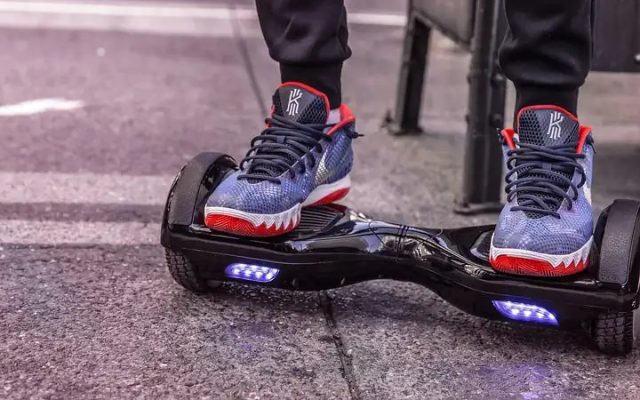
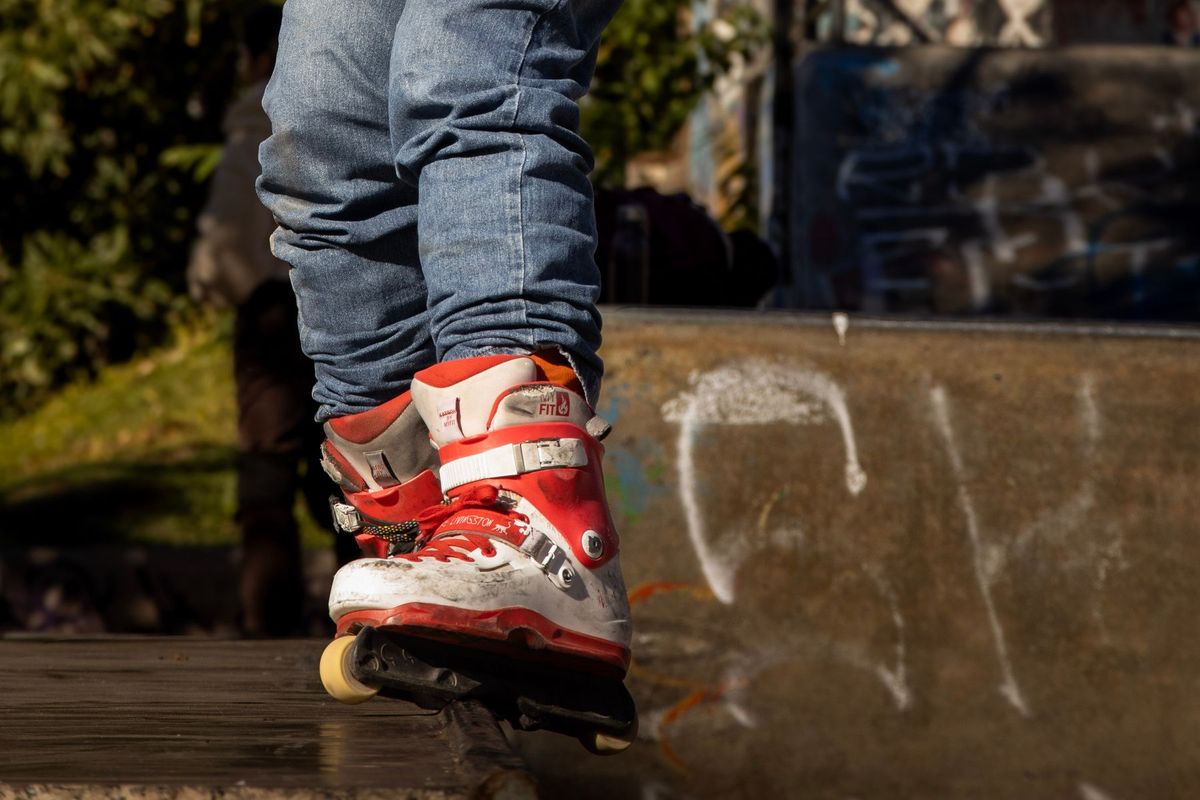
Each hover shoe is a small platform with one wheel, a motor, a battery and gyroscopic sensors. You stand with one foot on each. Leaning forward makes the wheels drive forward, leaning back slows you down, and you steer by twisting and shifting your weight, much like on a hoverboard. Because the two shoes aren’t connected, each foot has to balance on its own, which is why they take longer to learn than a hoverboard.
The best-known models
| Model | Launched | What was published |
|---|---|---|
| InMotion Hovershoes (X1) | 2018 | Launch price around $499 |
| Segway Drift W1 | 2019 | Launch price $399; about 7.5 mph (12 km/h), around 45 minutes per charge, about 3 hours to charge, roughly 220 lb (100 kg) rider limit, about 7.7 lb (3.5 kg) per skate |
The Drift W1 figures come from launch coverage and a European comparison of electric skates; treat them as a guide rather than current specs.
Can you still buy hover shoes?
Not easily in the US. Neither the Segway Drift W1 nor InMotion’s hover shoes is currently listed on Amazon US, and most search results for “hover shoes” are heel-wheel skates or roller sneakers, which are not powered. You may find the Drift W1 used or from overseas sellers. If you do, check three things: that the seller can supply the original charger, that the battery holds a charge, and that the product carries UL 2272 or an equivalent certification for its electrical system. Avoid no-name clones without certification.
Are hover shoes safe?
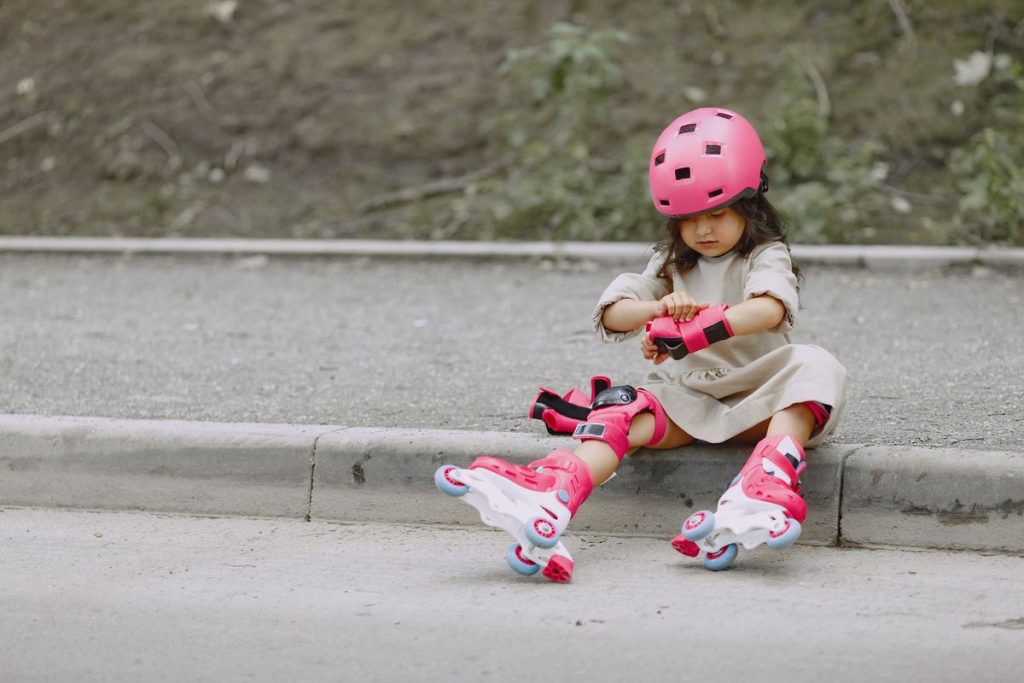
They are the hardest self-balancing ride to learn, so falls are common at first. Ride only on smooth, dry, flat surfaces, keep the speed low, and wear a helmet, wrist guards and knee pads every time. The small wheels catch on cracks and pebbles easily. They suit riders who are already confident on a hoverboard or skates, not children or first-time riders.
Advantages
- Very compact and easy to carry
- Fun, skate-like riding once learned
- Good for practicing balance
Limitations
- Steep learning curve
- Short ride time per charge
- Tiny wheels catch on cracks
- Hard to buy new in the US
- Clones often lack safety certification
Better alternatives
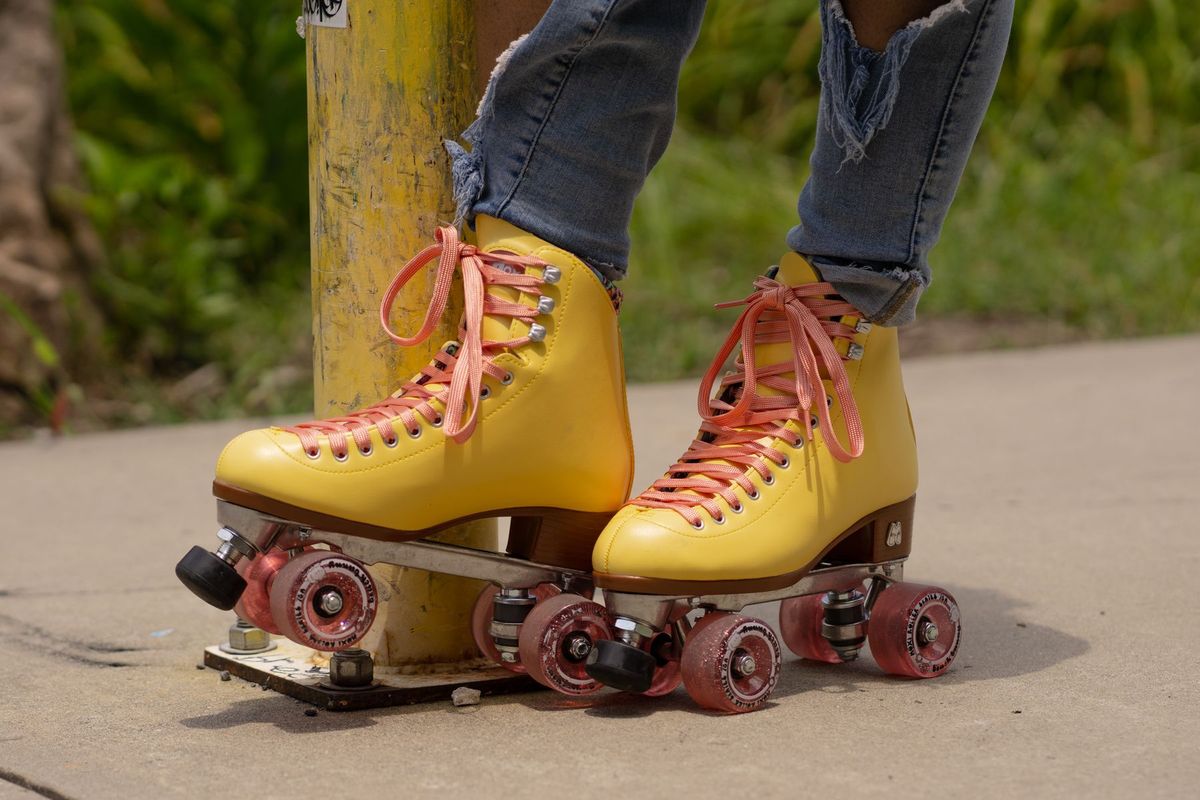
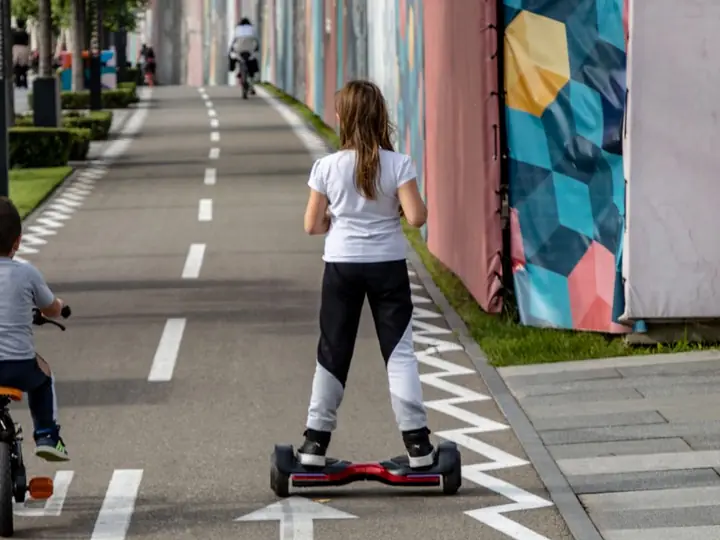
For most people, a hoverboard gives the same feeling with a much shorter learning curve, longer range and far easier buying. For young children who want wheels on their shoes, heel-wheel skates are a non-powered, low-speed option.
 Representative photo
Gyroor G13
A UL 2272-certified hoverboard with chunky 6.5-inch all-terrain tires, LED lights and a Bluetooth speaker. Far easier to learn than hover shoes and simple to buy.
Best for: Children roughly 6–12 riding under supervision
- Wheels
- 6.5" off-road
- Max rider
- 176 lb
- Top speed
- Up to 7.75 mph
- Range
- Up to 8 mi
- Certification
- UL 2272
- Speed is capped at a level that suits beginners
- Treaded tires cope with short grass and driveways
- Self-balancing start-up mode
- 176 lb limit rules out most adults
- Range figures vary between listings
Manufacturer-advertised figures as quoted in our review; real-world range and speed are usually lower.
Razor Jetts DLX heel wheels
Strap-on heel wheels that clip onto regular sneakers, for kids who want a skate-like glide without a motor or battery.
Manufacturer-advertised figures as quoted in our review; real-world range and speed are usually lower.
See also our guides to the best hoverboards, hoverboards without wheels and how to ride a hoverboard.
Frequently asked questions
Do hover shoes really exist?
Yes. Hover shoes are self-balancing electric skates with one wheel under each foot. The best-known models were InMotion’s Hovershoes (2018) and the Segway Drift W1 (2019). They don’t float; the name comes from hoverboards.
How fast do hover shoes go?
Slowly by design. The Segway Drift W1 was reported at about 7.5 mph (12 km/h).
Are hover shoes harder than a hoverboard?
Yes. Because each foot balances on its own wheel, hover shoes take much longer to learn than a hoverboard.
Are hover shoes good for kids?
Generally not. They suit experienced riders. Children are better off with a certified hoverboard sized for their age and weight, or non-powered heel-wheel skates.