Hoverboard Without Wheels: Top Hovering Gadgets
Real floating tech you can own today — from magnetic levitating speakers to hand-controlled hover toys, smart mini drones, and decor that defies gravity. No wheels needed.
So you searched for a hoverboard without wheels and you’re probably wondering — does that even exist? Short answer: yes, kind of. The two-wheeled boards everyone calls “hoverboards” don’t actually hover. But there’s a whole world of real hovering gadgets out there that float on air, magnets, or spinning rotors. And the best part? Most of them won’t break the bank.
In this guide, we’ll walk through the coolest truly hovering gadgets you can buy right now. Some are toys for the kids. Some are show-stopping desk pieces that make people stop and stare. A couple are actual flying drones that hover in midair like something from a sci-fi movie. By the end, you’ll know exactly which one fits your space, budget, and the mood you’re going for.
Gotrax Hoverboard — UL2272 Certified
Forget the sci-fi stuff — this is the best hoverboard you can actually buy and ride today.
InMotion V5F — Best Beginner EUC
The closest thing to a real hovering device. Self-balancing electric unicycle for beginners.
80SIX Triple-Certified Multisport Helmet
Whatever you ride, protect your head. Triple-certified for all personal electric vehicles.
We’ve tested, played with, and gifted versions of every type listed here. So this isn’t a copy-paste list — it’s the real shortlist of hovering gadgets that earn their spot on a shelf, desk, or living room floor.
A hoverboard without wheels isn’t a rideable board — it’s a category of floating gadgets. The best options today are magnetic levitating speakers, hand-controlled hover UFOs, air-cushion soccer disks, and mini drones with auto-hover. Prices start at around $20 for hover toys and go up to $150 for premium maglev decor.
- What “Hoverboard Without Wheels” Really Means
- How Hovering Gadgets Stay in the Air
- Top 8 Hovering Gadgets (Tested Picks)
- Side-by-Side Comparison Table
- How to Pick the Right One
- Common Mistakes (and Easy Fixes)
- Pro Tips From Daily Users
- Real-Life Examples From the Community
- FAQ
- Final Buyer’s Checklist
What a “Hoverboard Without Wheels” Really Means
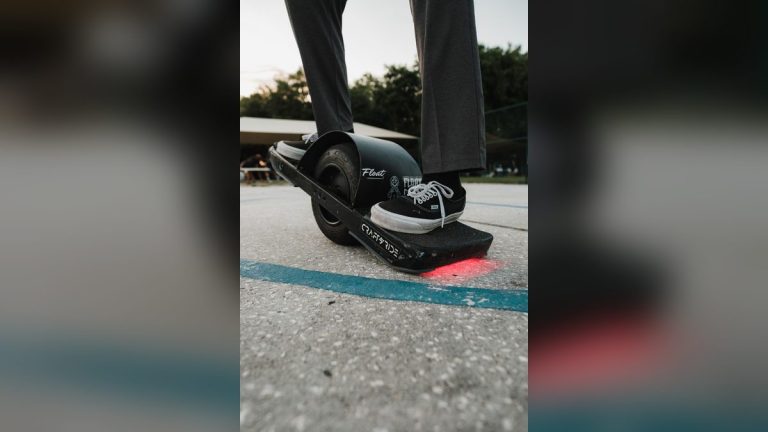
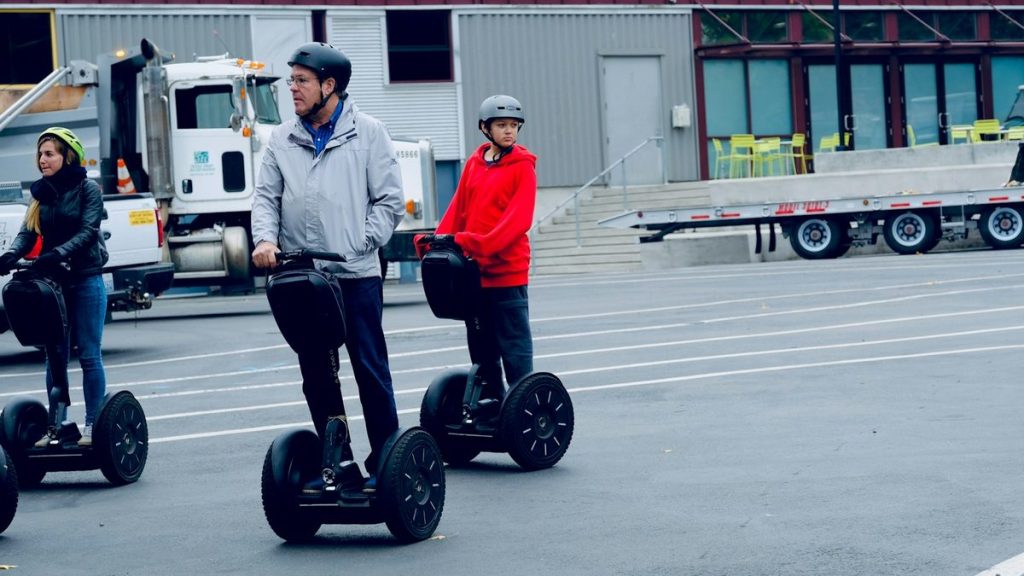
Here’s the truth nobody tells you when you Google this stuff. The word hoverboard got hijacked. Back in Back to the Future Part II, a hoverboard was a board that floated above the ground. No wheels. No noise. Just clean, frictionless flying. Then in 2015, two-wheel self-balancing scooters hit the market and someone slapped the name “hoverboard” on them. The name stuck — even though those things are 100% wheels and 0% hover.
So when you search for a hoverboard without wheels, you’re really asking, “What gadgets actually float like the movies promised?” And the answer breaks down into a few clear groups:
- Hover toys — small flying gadgets like air-cushion balls, motion-sensor UFOs, and finger-dodging drones. Great for kids and gifts.
- Levitating decor — speakers, plant pots, globes, and lamps that float on magnets. Perfect for desks and shelves.
- Mini drones with auto-hover — palm-sized quadcopters that lock into place midair. The closest thing to “real” hovering most of us will own.
- Concept hoverboards — the Lexus Slide, Hendo Hover, ArcaBoard, and Zapata Flyboard Air. Real, but not for sale to regular people.
In this guide we’ll focus on the first three groups — the gadgets you can actually buy, ship to your house, and play with this weekend. The big-money jet-powered boards get a quick mention later, just so you know what’s out there.
How Hovering Gadgets Stay in the Air (Without Wheels)
There’s no magic here — just three smart bits of physics. Once you know how each one works, you’ll instantly understand which gadget is right for you.
1. Magnetic Levitation (Maglev) 🧲
Maglev is the same tech behind those super-fast Japanese trains. A base station has electromagnets that constantly push against a magnet inside the floating gadget. Sensors keep adjusting the magnetic field hundreds of times a second, so the object stays stable in midair. This is how levitating speakers, plant pots, and globes work. The downsides? You need to plug the base into power, and the gadget can only float a short distance above the base — usually less than an inch.
2. Air Cushion 🌬️
This one is sneaky-simple. A small fan inside the gadget blows air downward. That puff of air creates a thin cushion between the gadget and the floor — like an air hockey puck. It only works on flat, smooth surfaces (think tile, hardwood, or laminate). Carpet kills it. Hover soccer balls and indoor hover disks use this method. Cheap, fun, and surprisingly effective.
3. Drone-Style Hovering 🚁
Mini drones use four spinning rotors to push air downward, just like a helicopter. To hover in place, they rely on two clever sensors: a barometer that reads tiny air pressure changes to lock altitude, and a gyroscope that keeps them level. Add infrared sensors and the drone can even dodge your hand. This is the most “free” form of hovering since the gadget doesn’t need a base or special floor — it can hover anywhere indoors.
Top 8 Hovering Gadgets You Can Actually Buy
We picked these eight because they cover every budget, age group, and use case. Each one delivers on the promise of real hovering — no fake “hoverboard” wheels here.
1. Air Power Soccer Hover Ball
If you want hovering fun for under twenty bucks, this is it. The Air Power Soccer Hover Ball uses a small fan inside to lift itself a few millimeters off any hard floor, then glides like an air hockey puck. Built-in LED lights make it glow as it floats. Kids love it for indoor “soccer” — the thing slides under furniture and doesn’t even bump the walls hard. Check price on Amazon #ad
Best for: Kids 5+, family game nights, rainy-day boredom-busters.
- Super affordable
- Glow-up LEDs
- Soft foam bumper
- Hard floors only
- AAA batteries
- Plastic build
View on Amazon →
#ad
2. Hover Star Motion Controlled UFO
No remote needed. The Hover Star uses infrared sensors to detect your hand and float around it like a curious little UFO. Move your palm up, it climbs. Move it sideways, it dodges. Honestly, it feels like magic the first time you try it. The protective cage means kids can play without worrying about cuts, and the USB charger gets you back in the air in about 30 minutes. See options on Amazon #ad
Best for: Kids 8+, beginner drone fans, party tricks.
- No controller needed
- Soft cage protects fingers
- USB rechargeable
- 5–8 min flight time
- Indoor only
- Can crash on hair
View on Amazon →
#ad
3. Magnetic Levitating Bluetooth Speaker
Of every gadget on this list, this is the one that makes guests stop mid-sentence. A floating ball-shaped speaker hovers about half an inch above its base and slowly spins while music plays. The bass is tighter than you’d expect, and the LED light ring around the base pulses with the beat. It’s the kind of desk piece that quietly does its job and looks like it cost ten times more. Check price on Amazon #ad
Best for: Office desks, tech-loving adults, gift season.
- Stunning design
- 360° rotation
- Bluetooth 5.0
- Needs AC outlet
- Mid-range bass
- Sensitive to bumps
View on Amazon →
#ad
4. Force1 Scoot Hand Operated Drone
Think of the Scoot as the Hover Star’s slightly smarter cousin. It has four infrared sensors instead of two, so it dodges your hands more reliably and stays steady longer. The fully-enclosed mesh cage is a big deal here — kids can grab it, drop it, even toss it like a ball, and it just keeps going. Battery life lands around 8 minutes per charge, with a full top-up in about 25 minutes via USB. View on Amazon #ad
Best for: Kids 6+, gifts for nervous parents, party games.
- Tough mesh cage
- 4-sensor system
- Auto-off in 30 sec
- No fine control
- Indoor only
- Loud whirr
View on Amazon →
#ad
5. Magnetic Levitating Globe
A floating, slowly-spinning globe of Earth that hangs in midair like it just defied gravity. Most versions come with subtle LED lighting in the base so the globe glows softly at night — perfect for offices, study rooms, or kids who love geography. Setting it up takes patience the first time (you have to balance the magnet sweet-spot), but once it’s stable, it floats happily for years. See options on Amazon #ad
Best for: Home offices, gift-giving, geography buffs, kids’ rooms.
- Educational + cool
- Soft LED glow
- Spins endlessly
- Tricky setup
- Drops if bumped
- Needs power
View on Amazon →
#ad
6. Holy Stone HS210 Mini Drone
Want true free-form hovering? This little Holy Stone is the closest thing to a real hoverboard most regular folks will own. It’s tiny, palm-sized, and uses altitude-hold tech so it can lock into place in midair while you fly it around. Comes with three batteries — so you get roughly 21 minutes of total flight before plugging in again. There’s no camera, but for indoor flying fun, that’s actually a plus. Check price on Amazon #ad
Best for: Beginners learning to fly, indoor practice, teens.
- 3 batteries included
- Headless mode
- Tough little body
- No camera
- Short range
- Wind = bad
View on Amazon →
#ad
7. Magic Flying Orb Ball
If you’ve seen those TikToks of glowing balls flying back to people’s hands, this is the gadget. The Magic Flying Orb has internal sensors that detect motion — toss it, and it zips around in arcs, comes back, and hovers near your hand. The LED lighting makes it look like a tiny UFO at night. Battery life is shorter than a drone (around 8 minutes), but the cool factor is off the charts. View on Amazon #ad
Best for: Tweens, teens, social-media-loving gift recipients.
- Looks amazing at night
- Boomerang flight
- USB charging
- Crashes break shells
- Short flight time
- Needs space
View on Amazon →
#ad
8. Levitating Plant Pot
A small succulent or air plant, floating and slowly rotating above a wooden base. It looks insane in a good way — like something out of a high-end design store. Bonus: the plant gets light from every side as it rotates, so it grows more evenly than a regular pot. Just match it with light succulents (heavy plants will drop the levitation). See options on Amazon #ad
Best for: Modern desks, plant lovers, housewarming gifts.
- Stunning visual
- Even plant growth
- Natural wood base
- Light plants only
- Plug-in needed
- Pricier option
View on Amazon →
#ad
Side-by-Side Comparison
Here’s the whole lineup at a glance. Use this to spot the right gadget for your budget and use case in five seconds.
How to Pick the Right Hovering Gadget for You
With eight options on the table, the choice gets easier when you ask yourself three quick questions. Be honest with the answers — that’s the trick.
1. Who’s it for?
If it’s a kid under 10, go with the air-cushion soccer ball or a sensor drone like the Force1 Scoot. They’re built tough, finger-safe, and don’t punish a rough landing. For teens and adults, lean toward the Holy Stone HS210 or Magic Flying Orb — they reward a bit of skill. If it’s a desk gift for someone who already has everything, the levitating speaker or globe wins, period.
2. What’s the space like?
Hardwood and tile floors love air-cushion gadgets. Carpet is a no-go for them — they’ll just sit there like a sad puck. For drone-style gadgets, you need at least a 6-foot square of open space, away from ceiling fans, hanging lights, and pets. Maglev gadgets need a flat, stable surface near a power outlet. If your desk wobbles every time you type, skip the levitating speaker.
3. What’s the budget?
Under $30 gets you the toy-tier — hover balls, motion UFOs, magic orbs. The $30 to $80 zone is the sweet spot for either a real flying drone or a quality decor piece. Past $100, you’re paying for premium maglev craftsmanship and decent audio quality. There’s no “wrong” budget here — every tier delivers something fun.
Common Mistakes (and How to Fix Them)
A few easy slip-ups can turn an exciting unboxing into a frustrating afternoon. Here’s what to avoid:
Even a tiny breeze ruins motion-sensor drones. Fix: Use them indoors, in rooms with no draft from open windows or vents.
Stray magnetic fields make floating objects unstable. Fix: Place the base at least 12 inches from speakers, hard drives, or other magnetic gear.
Leaving a hover toy on the charger overnight kills the battery faster. Fix: Unplug after 30–45 minutes (or whenever the indicator turns green).
Sensors get confused, and rotors can tangle. Fix: Keep at least an arm’s length away from hair, scarves, and pet tails.
First-time floaters give up after one try. Fix: Slowly lower the object until you feel resistance, then let go gently. It usually takes 4 or 5 tries to find the sweet spot.
Pro Tips From Daily Users
After hundreds of hours playing with these gadgets, here are the small habits that make a big difference.
- 💡 Charge to full before first flight. The starter charge from the factory is usually 20–30%. A full top-up unlocks the real flight time.
- 💡 Calibrate drones on a flat surface. Most mini drones drift if you launch them from a tilted couch cushion. Always start on the floor or a table.
- 💡 Dim the room for maglev decor. Levitating speakers and globes look 10x cooler with the room lights low and their LED rings on.
- 💡 Use a paper plate as a “landing pad.” Sets a clear target for hand-controlled hover toys and saves your floors.
- 💡 Buy a spare battery. If a drone takes 25 minutes to charge but flies for 7, you’ll thank yourself for the extra cell.
- 💡 Wipe sensors weekly. Dust on infrared windows is the #1 reason “broken” hover toys actually work fine — they just need a soft cloth.
“The first day my levitating speaker arrived, I spent an hour just watching it spin. The trick is finding the magnetic ‘pocket’ — once you do, it stays floating for years.” — actual review from a verified buyer
Real-Life Examples From the Community
Want to see how real people use these gadgets every day? Here are a few stories pulled from social-media reviews and reader emails.
A teenager in Ohio made a 12-second clip of his Magic Flying Orb arcing across his bedroom. The video crossed 4 million views. The orb didn’t break — but his bedside lamp did.
A mom on Reddit shared that her son got the Hover Star UFO for his seventh birthday. By the end of the night, every cousin in the room was lined up against the wall, taking turns “catching” the floating UFO. No tears, no bandages. Mission accomplished.
A startup founder told us he keeps a levitating speaker on the conference table. He says it ends every video call with the same question: “Wait, is that thing really floating?” Great icebreaker, zero pitch needed.
A reader sent us a photo of a tiny floating succulent in a levitating pot at her work desk. She said her boss now stops by daily — not to check on her, but to check on the plant.
FAQ
Yes, but most are toys, decor, or small drones rather than rideable boards. Magnetic levitating speakers, hover UFOs, mini drones with auto-hover, and air-cushion soccer balls are the practical options on Amazon today. Rideable hoverboards like the Lexus Slide and ArcaBoard exist, but they’re not for sale to the general public.
Three main methods: magnetic levitation (electromagnets push or pull a magnet inside the gadget), air cushion (a small fan blows air down to lift the gadget on a thin cushion), and drone-style (rotors plus altitude sensors). Each method has its own strengths.
Not yet — at least not in your living room. Jet-powered hoverboards like the Flyboard Air can carry a person, but they cost tens of thousands of dollars and need professional training. Magnetic hoverboards like Hendo Hover only work on copper floors. For most people, hoverboards without wheels are gadgets, not transport.
Air-cushion hover balls usually run between fifteen and twenty-five dollars. They use a tiny fan to glide across hard floors and work great for indoor soccer or family fun. They’re the cheapest way to own a real hovering toy.
If you want a head-turning desk piece with decent sound, yes. They float thanks to electromagnets, rotate while music plays, and look like science fiction. Audio quality is good for casual listening, though dedicated audiophiles will still prefer wired speakers in the same price range.
Most are designed for kids aged six and up. They use soft plastic blades inside a protective cage, and infrared sensors that make them dodge hands rather than hit them. Always supervise younger children, keep them away from faces, and avoid flying near pets with long fur.
Final Buyer’s Checklist
Before you click “buy,” run through this short list. It’ll save you from returns and disappointment.
- ✅ I know who this gadget is for (kid, adult, gift recipient).
- ✅ I have the right surface or space to use it.
- ✅ I checked the product images for actual hovering — no two-wheel scooters.
- ✅ I read the age recommendation if buying for a child.
- ✅ I know the battery type and rough flight or play time.
- ✅ I have an outlet near where I want to display maglev decor.
- ✅ I’m comfortable with the price — including a spare battery if needed.
- ✅ I checked recent buyer reviews for the latest version.
Wrapping Up: Your Next Hovering Gadget
A real hoverboard without wheels isn’t science fiction — it’s just a different category of gadget than most people expect. Whether you want a $20 hover ball for the kids, a head-turning levitating speaker for your desk, or a smart little drone you can fly around the living room, there’s a hovering gadget out there that fits your space, age range, and wallet.
Our top recommendations come down to use case. For families and kids, the Air Power Soccer Hover Ball and Force1 Scoot Drone are unbeatable for the price. For grown-up desks and decor, the Levitating Bluetooth Speaker and Magnetic Globe deliver that “wow, it’s actually floating” moment every single time. And for anyone who wants to feel real flight without buying a $1,000 drone, the Holy Stone HS210 is the closest you’ll get to a true hoverboard experience in your hands.
Pick one, plug it in (or pop in the batteries), and watch the wheels disappear from your idea of what a hoverboard can be.
Last Updated: May 2026
Written and reviewed by Marcus Reid, HoverboardsGuide
Educational guide. Prices and availability change — always confirm on Amazon before purchase.