From your first wobbly wheel to a 40-mph touring machine, here are the EUCs worth your money in 2026 and exactly how to pick the right one.
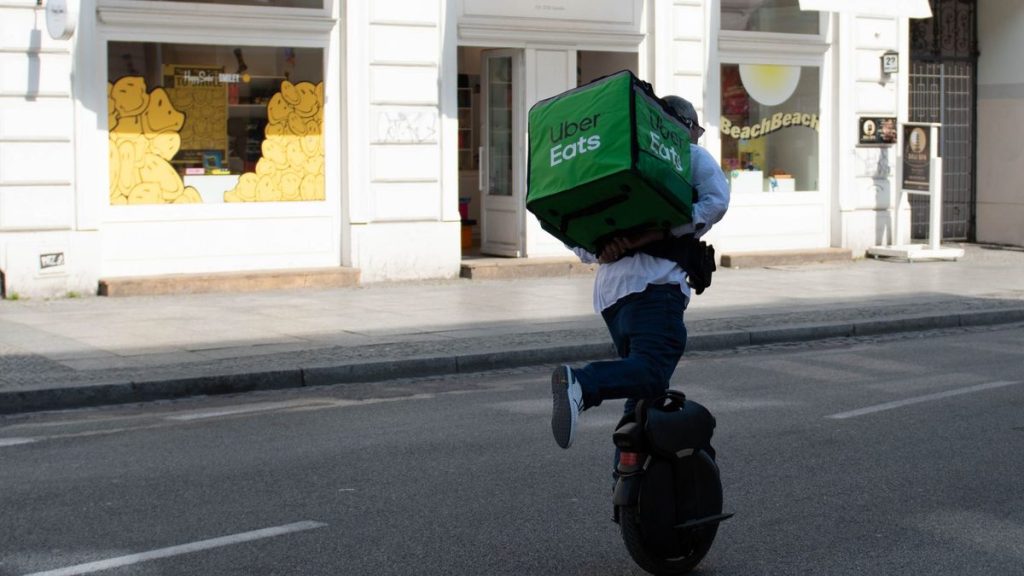
Searching for the best electric unicycles in 2026? You’ve found the right guide. An electric unicycle, or EUC as most riders call it, is that sleek single-wheeled machine you’ve seen humming past traffic with someone standing tall on top and no handlebars in sight. It sounds like magic, and honestly, it kind of is. One motor, one wheel, and a clever balancing computer let you lean forward to go, lean back to stop, and carve through a city like you’re floating.
Here’s the honest part. An EUC is harder to learn than an electric scooter or a hoverboard. There’s no handlebar to hold, so your body does the steering. But most people are rolling in a few days, and once it clicks, nothing else feels as free. A good wheel can climb hills, cruise 30-plus miles, and hit speeds that make you grin, or scare you, if you buy more than you can handle.
Below, I’ll walk you through the best electric unicycles for every rider and budget, from gentle beginner wheels under $700 to fire-breathing touring machines. I’ll cover the specs that actually matter, the mistakes that cost new riders money, and the safety gear you should never skip. Let’s find your wheel.
This article is part of our guide to electric rideables, which covers electric unicycles, Onewheels, electric skateboards, kick scooters and mopeds.
Why Ride an Electric Unicycle?
An electric unicycle does something no scooter or e-bike can: it disappears under you. Because the wheel sits between your legs and balances itself, steering happens through tiny lean and twist movements. After the learning curve, it feels less like driving a vehicle and more like walking at 20 mph. Riders often describe it as the closest thing to flying while your feet stay on the ground.
There are practical reasons to love them too. A single wheel has no chain, no handlebar stem, and fewer parts to break. Most wheels are narrow enough to roll through a doorway and stand in a corner. Many fit in a car trunk or roll along beside you like carry-on luggage. And because the motor drives one fat tire, EUCs handle cracks, gravel, wet leaves, and curbs far better than the tiny wheels on a lot of scooters.
The trade-off is the learning curve and the price. Quality wheels start around $600 and climb past $4,000. But unlike a cheap toy hoverboard, a well-built EUC is a real vehicle you can commute on for years, which is exactly why so many riders own one wheel and never look at anything else again.
- Hands-free freedom: no handlebars, so you can signal, wave, or just relax your arms
- All-terrain grip: fat tires roll over cracks, grass, and gravel that stop small wheels
- Compact and quiet: narrow enough for elevators and doorways, and nearly silent
- Serious range and speed: mid-tier wheels cruise 30-plus miles at 30-plus mph
- Low maintenance: no chain and no gears, just a tire and a battery to look after
| Rider type | Top pick | Top speed | Real-world range | Approx. price |
|---|---|---|---|---|
| Absolute beginner | InMotion V6 | 12 mph | 12-15 mi | ~$600 |
| Beginner you won’t outgrow | InMotion V8F | 22 mph | 18-25 mi | ~$1,000 |
| Range on a budget | King Song 16X | 31 mph | 30-40 mi | ~$1,550 |
| Comfort commuter | InMotion V11Y | 36 mph | 25-32 mi | ~$1,900 |
| Fast touring | King Song S22 | 43 mph | 60-75 mi | ~$2,800 |
| Off-road / extreme | Begode EX30 | 50+ mph | 60-90 mi | ~$3,600 |
How to Choose: The Specs That Actually Matter
Spec sheets for EUCs are full of big numbers, and it’s easy to get dazzled by the wrong ones. Here’s what actually changes how a wheel rides, in plain English, so you can shop with confidence instead of guessing.
- Match a wheel’s power to your real routes and hills, not your daydreams
- Real-world range is usually only 60 to 70% of the advertised number
- Buy more top speed than you need, then cruise well below it
- For a first wheel, lighter and simpler beats fast and heavy every time
Battery size (Wh) and voltage
Watt-hours (Wh) tell you range; voltage tells you power and top speed. A 500Wh wheel is a short-hop city toy, 1,500Wh gets you 30 to 40 real miles, and 2,000Wh-plus is touring territory. Higher-voltage systems (84V, 100V, 126V, and now 134V) climb hills harder and hold speed better. Chase Wh and voltage before you chase headline motor wattage.
Motor power and torque
More watts means more torque for hills and quick starts, not just a higher top speed. A 1,000W motor is plenty for a flat-city beginner, 2,000 to 2,500W handles hills and heavier riders, and 3,500W and up is for fast, steep, or off-road work. Peak-wattage numbers are mostly marketing; real strength comes from voltage plus a solid motor.
Suspension or not
Suspension soaks up bumps and makes long rides far less tiring, but it adds weight, cost, and a little maintenance. Beginners are usually happier starting on a lighter, simpler non-suspension wheel, then upgrading to suspension once they know the hobby has hooked them for good.
Top speed vs. safe cruising speed
Never plan to ride at a wheel’s top speed. That last bit of power is your safety margin for hills and sudden moves. If the motor runs out of power at speed, the wheel tilts you off. Buy a wheel whose top speed sits well above your normal pace: to cruise at 20 mph, get one rated for 30-plus.
Weight and portability
Beginner wheels weigh 28 to 35 lbs and are easy to carry. Big touring wheels top 70 lbs and are a real workout to lift. If you’ll carry it up stairs, onto a train, or into a trunk, weight matters just as much as range for how often you’ll actually use it.
UL 2272 safety certification
UL 2272 means the whole electrical system (battery, charger, and wiring) passed fire and shock testing. It’s the certification that makes indoor charging far safer. For beginners especially, a UL 2272-certified wheel like the InMotion V6 is worth prioritizing over a cheaper, uncertified import.
Best Electric Unicycles for Beginners
Your first wheel should be forgiving, not fast. A good beginner EUC is light enough to control, low enough to the ground to step off safely, and affordable enough that you won’t cry when you scratch it while learning. These are the wheels we point new riders to in 2026, from the gentlest starter to the best value-for-money workhorse.
InMotion V6 — best first wheel
At around 28 lbs and roughly $600, the V6 is the lightest UL 2272-certified EUC you can buy. Its modest 12 mph top speed and gentle 1,000W motor make it hard to get in trouble, and it’s light enough to carry anywhere. Perfect for learning and short city hops, though committed riders will outgrow its 15-ish-mile range.
InMotion V8F — the wheel you won’t outgrow
The V8F is the classic buy-once beginner wheel. A 1,000W motor, 518Wh battery, and grippy 16-inch tire give it a real 22 mph top speed, strong hill-climbing, and enough range for a proper commute, all at about 33 lbs and near $1,000. Built-in leg pads and a trolley handle make it easy to learn on and easy to carry.
InMotion V9 — entry-level with suspension
The V9 adds the 60mm of air suspension that most cheap wheels skip, so it soaks up rough pavement and cobbles. With a 750Wh battery and roughly 21 miles of range, it’s a comfortable step up for riders who already know they’ll stick with one-wheel life.
Begode A1 — budget and tough
The A1 is a tiny, affordable learner (around $500) with an IP67 dust- and water-resistant rating that shrugs off puddles. Its short 5-mile range and 10 mph top speed keep it firmly in learning-wheel territory, but it’s rugged, cheap, and genuinely fun for practice laps.
King Song 16X — best range for the money
If you’re confident you’ll get hooked, the 16X skips the true-beginner tier and hands you a 1,554Wh battery, a 31 mph top speed, and 40-plus real miles for about $1,550. It’s heavier at 53 lbs, but it remains one of the best value-per-mile wheels ever made.
Best Commuter and Mid-Range EUCs
Once you can ride confidently, the mid-range tier is where most people land and stay. These wheels add suspension, bigger batteries, and enough speed to keep up with city traffic, all without the crushing weight and cost of a full touring machine. Expect to spend roughly $1,800 to $2,500, and expect to keep the wheel for years.
InMotion V11Y — smooth and comfortable
The V11 series pioneered clean built-in air suspension, and the V11Y refines it. A 2,500W motor, 1,500Wh battery, and 36 mph top speed make it a superb daily commuter that eats potholes for breakfast. At about $1,900 and 66 lbs, it’s a serious wheel that still fits a normal life and a normal elevator.
InMotion V12 — the do-everything commuter
Many riders call the V12 the most-recommended commuter of 2026. It’ll do a real 40 to 50 miles, cruise safely at 40 mph, and haul a heavier rider up a steep hill without complaint, for around $2,200. If you want one wheel to do absolutely everything, this is a safe, sensible bet.
Begode T4 — value and range
The T4 packs an 1,800Wh battery and a 43 mph top speed for roughly $2,100. It trades a little polish for raw range and power, and it’s a favorite among riders who want touring-ish distance without paying a touring-wheel price. A lot of wheel for the money.
King Song S16 Pro — nimble suspension
At about $1,999, the S16 Pro is a lighter, more playful suspension wheel that’s easy to throw around town yet quick enough for open roads. It’s a great middle ground for riders who found beginner wheels boring but touring wheels intimidating.
Best High-Performance and Touring EUCs
This is the deep end. These wheels are heavy, expensive, and fast enough to seriously hurt you, but they’re also astonishing machines that tour 60 to 115 miles, climb mountains, and cruise at highway-ramp speeds. Only step here once you’re an experienced rider with the protective gear to match your ambitions.
King Song S22 Eagle — the all-around performance king
The S22 pairs a 126V system, up to 4,000W of motor, and 130mm of suspension travel for a 43 mph top speed and 60 to 75 real touring miles. Its plush suspension and comfy pedals leave you far less tired than most fast wheels. Around $2,800, it’s many riders’ endgame wheel, and it’s easy to see why.
Veteran Sherman-L — long-haul touring
Veteran’s Sherman line is legendary for range. The Sherman-L can cover a real 95 to 115 miles on a charge, making it the go-to for riders who tour all day. It’s big, heavy, and priced around $3,000 to $3,500, but nothing else beats it for pure, no-anxiety distance.
Begode Master and EX30 — raw power
Begode builds the muscle cars of the EUC world. The Master offers a stiff, high-voltage ride for spirited riders, while the EX30 is one of the most powerful wheels ever made: a 134V, 3,600Wh monster (around $3,600) built for extreme speed and off-road punishment that would break lesser wheels.
InMotion V13 Challenger — the premium finished product
If you want a fast wheel that feels engineered rather than bolted together, the V13 is the best-built premium EUC of 2026, with a huge battery and a 55 mph top speed. It’s around $4,000, and it genuinely feels like it in fit, finish, and ride quality.

Gear Up and Learn to Ride Safely
An EUC is the most fun you can have on one wheel, and also the easiest way to meet the pavement if you skip the basics. The good news: almost every serious injury is preventable with cheap gear and a little patience. Treat your first two weeks like a sport you’re learning, because that’s exactly what it is.
To actually learn, find an empty parking lot or a quiet path. Hold a wall or a friend’s shoulder for your first mounts, then practice rolling straight, turning, and stopping until each one feels boring. Most riders can roll in a straight line within a few hours and feel road-ready in one to two weeks. Don’t rush to top speed; the wheel’s tilt-back and speed alarms are warning you for a good reason.
Finally, charge smart. Buy a UL 2272-certified wheel when you can, charge it on a hard surface away from your bed and your exit door, and never leave a big battery charging unattended overnight. Unplug around 80 to 90% for daily use to make the pack last longer. The battery is the heart, and the only real fire risk, of any EUC, so treat it with respect.
- A certified helmet on every ride, and a full-face helmet once you go fast
- Wrist guards, the single most important pad for new riders, since wrists take the fall
- Knee and elbow pads for those inevitable first learning tumbles
- Sturdy closed shoes and gloves for grip and skin protection
- Reflective gear and bright lights whenever you ride after dark
| Model | Motor | Top speed | Max range | Weight | Approx. price |
|---|---|---|---|---|---|
| InMotion V6 | 1,000W | 12 mph | 18 mi | 28 lbs | ~$600 |
| Begode A1 | 800W | 10 mph | 5 mi | 29 lbs | ~$500 |
| InMotion V8F | 1,000W | 22 mph | 30 mi | 33 lbs | ~$1,000 |
| InMotion V9 | 1,000W | 27 mph | 22 mi | 51 lbs | ~$1,200 |
| King Song 16X | 2,200W | 31 mph | 43 mi | 53 lbs | ~$1,550 |
| Stage | Practice time | What it feels like |
|---|---|---|
| First mounts | 15-30 min | Wobbly, one hand on a wall or rail |
| Free-riding straight | 1-3 hours | Rolling forward on your own, no support |
| Turns, starts, stops | 2-5 days | Steering, mounting solo, slowing smoothly |
| Road-confident | 1-2 weeks | Traffic, pedestrians, curbs, longer rides |
| Fast / advanced | 1-3 months | Higher speeds, steep hills, and trails |
Common Mistakes (and How to Fix Them)
Fix: Fast, heavy touring wheels are brutal to learn on and easy to crash. Start on a light 1,000W beginner wheel like the InMotion V6 or V8F, master the basics, then upgrade once you actually know your riding style.
Fix: Marketing range is measured by a light rider going slow on flat ground. Plan for 60 to 70% of the claimed number in the real world, and buy more range than your commute strictly needs.
Fix: Almost every beginner fall lands on the hands. Wrist guards are cheap and prevent the most common EUC injury, so wear them from your very first mount, not once you feel good.
Fix: The top of a wheel’s power band is your emergency reserve for hills and quick moves. If the motor runs out of power at speed, the wheel tilts you off. Cruise at 60 to 70% of top speed and always heed the tilt-back warning.
Pro Tips
- 💡 Set your tilt-back and speed alarms low while learning, then raise them slowly as your skill grows. They’re annoying on purpose, and that nagging beep is what keeps you upright.
- 💡 Add aftermarket power pads against your calves. Better contact with the wheel means better control, especially when starting, stopping, and climbing hills.
- 💡 Practice mounting and dismounting from both sides. If you can only get on one way, a curb or a wall on the wrong side will leave you stranded.
- 💡 Keep your battery between 20% and 90% for daily riding, and store it around half charged. It’s the easiest way to make an expensive battery pack last for years.
- 💡 Learn to step forward off the pedals when you stop. Jumping backward off a moving wheel is exactly how beginners twist ankles.

An Example Scenario
Illustrative example: a composite of situations riders often describe, not a real customer story.
Picture a new rider named Dana who nearly goes straight for a fast 40 mph machine because a video made it look easy. She picks a gentler InMotion V8F instead, spends two weekends wobbling around a tennis court in full pads, and then, like most riders, something clicks on day three. A year later she commutes eight miles each way on it, rain or shine, and never wishes she’d started faster.
The rider who started on the fast wheel? He sprained a wrist in week one, got spooked, and sold it at a loss. Same hobby, two very different first months, and the only real difference was the wheel each of them chose to learn on.
Frequently Asked Questions
They’re harder than a scooter but easier than most people fear. Because there’s no handlebar, you balance with your ankles and core, which feels strange at first. Most riders can roll in a straight line within a few hours and feel confident in one to two weeks of regular practice. Full pads and an empty parking lot make it go much faster and feel far less scary.
A solid beginner wheel costs about $600 to $1,000 in 2026. Mid-range commuter wheels with suspension run $1,800 to $2,500, and high-performance touring machines climb from $2,800 to over $4,000. You get real, lasting quality once you pass roughly $600. Below that, you’re usually buying a fragile toy that won’t last.
Beginner wheels top out around 12 to 22 mph, which is plenty while you learn. Mid-range wheels hit 30 to 40 mph, and the fastest performance wheels can exceed 50 to 60 mph. You should always cruise well below a wheel’s top speed, though, because that extra power is your safety margin for hills and quick maneuvers.
Realistically, expect 12 to 20 miles from a beginner wheel, 30 to 45 miles from a mid-range wheel, and 60 to 115 miles from a big touring machine. Advertised ranges are optimistic, so plan for about 60 to 70% of the number on the box. Your weight, speed, hills, and cold weather all cut into it.
They’re as safe as you make them. The biggest risks are falls while learning and battery fires from cheap or damaged wheels. Wear a helmet and wrist guards on every ride, buy a UL 2272-certified wheel, never ride at the battery’s limit, and charge on a hard surface away from exits. Do those things and an EUC is a reasonable, everyday way to get around.
For most people, the InMotion V8F is the best beginner wheel because it’s easy to learn on yet powerful enough that you won’t outgrow it in a month. If you want the lightest, safest starter, the UL 2272-certified InMotion V6 is ideal. On a tight budget, the rugged little Begode A1 makes a great practice wheel.
Final Checklist ✅
- ✅ Decide your real use first: short city hops, a daily commute, or long touring rides
- ✅ Match battery size (Wh) and voltage to that use, remembering real range is only 60 to 70% of the claim
- ✅ Pick a top speed well above your cruising pace, then plan to actually cruise below it
- ✅ Prioritize a UL 2272-certified wheel for safer indoor charging
- ✅ Order a helmet, wrist guards, and knee and elbow pads before the wheel even arrives
- ✅ Block out two practice sessions in an empty lot before your first street ride
- ✅ Set tilt-back and speed alarms low, and plan to charge to 80 to 90% for daily use