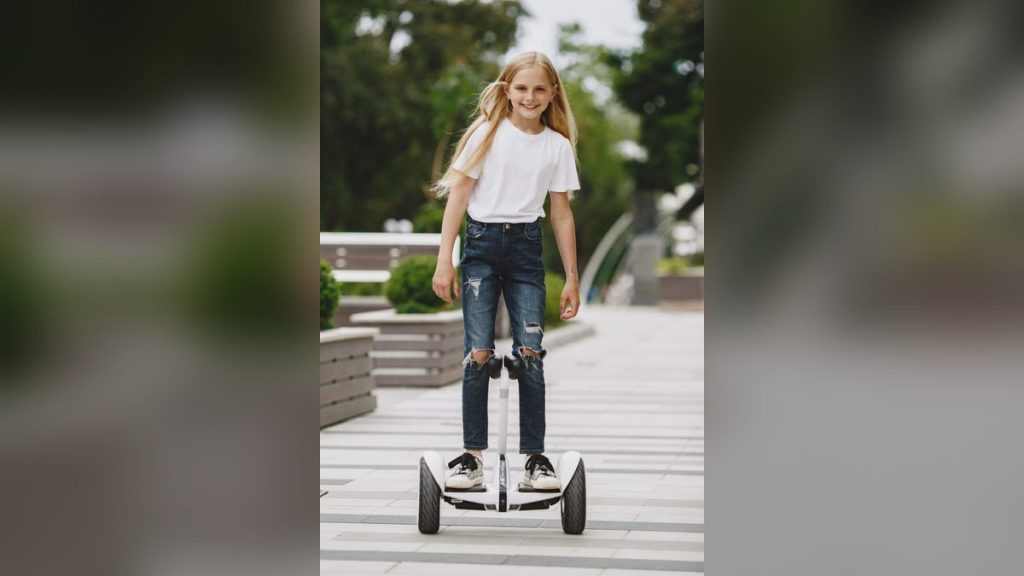
GoTrax Lil Cub Hoverboard Review: Best First Board?
A friendly, no-hype look at the pint-sized hoverboard built just for young riders aged 6 to 12.
If your child has been dropping hints about a hoverboard, the GoTrax Lil Cub hoverboard has almost certainly shown up in your search results. It is one of the most popular first boards for younger riders, and for good reason. GoTrax built it small, light, and slow enough for a 6-year-old, yet it still looks and feels like the “real thing” your kid keeps seeing online. In this GoTrax Lil Cub hoverboard review, we will walk through what it does well, where it falls short, and whether it is the right first ride for your family.
The Lil Cub sits at the friendly end of the price scale, usually around $88 to $100. It is aimed at kids ages 6 to 12 who weigh between 44 and 88 pounds. That narrow weight window is the single most important detail on the whole spec sheet, and we will come back to it more than once, because it decides whether your child will love this board or grow out of it in a single season.
We spent time with the Lil Cub and dug through hundreds of parent reviews to give you a clear, honest picture. No hype, no scary sales pitch, just the stuff you actually need to know before you spend your money. Let’s roll.
The GoTrax Lil Cub in One Minute
Short on time? Here is the quick version. The GoTrax Lil Cub is a well-made, safety-certified starter hoverboard that does exactly what it promises for little riders. It is easy to learn, gentle in speed, and light enough for a child to carry inside on their own. For a 6 to 10 year old taking their very first spin, it is one of the safest and simplest picks you can buy.
It is not, however, a board your child will keep for years. The 88-pound weight limit and 2.5-mile range mean most kids will outgrow it by their early teens. It also skips extras like Bluetooth speakers and glowing wheel LEDs that some rivals throw in. But if you want a right-sized, no-drama first hoverboard and you are not trying to future-proof it, the Lil Cub earns its spot under the tree.
- Best for first-time riders roughly ages 6 to 10
- Ideal for kids weighing between 44 and 88 pounds
- Great for parents who want UL2272 safety and simple controls
- Not the best pick if you need a board to last into the teen years
| Spec | Detail |
|---|---|
| Top speed | 6.2 mph |
| Max range | Up to 2.5 miles |
| Weight limit | 44–88 lbs |
| Recommended age | 6–12 years |
| Wheels | 6.5″ solid rubber |
| Motors | Dual 150W hub motors |
| Battery | 21.6V 2.0Ah (43.2Wh) |
| Charge time | 4–5 hours |
| Board weight | 11.3 lbs |
| Max incline | About 8° |
| Safety | UL2272 certified |
| Colors | Blue, Purple |
| Typical price | Around $88 |
GoTrax Lil Cub Specs and Key Features
On paper, the Lil Cub keeps things simple, and for a kids’ board that is a strength, not a weakness. You get dual hub motors, 6.5-inch solid rubber tires, a modest top speed of 6.2 mph, and a range of about 2.5 miles per charge. The whole board tips the scales at just 11.3 pounds, so even a small child can pick it up and carry it back inside without a fuss. Here is how the numbers break down in plain English.
6.5-inch solid rubber tires
The Lil Cub rolls on 6.5-inch solid tires, not air-filled ones. That means no flats to worry about and almost zero maintenance. The trade-off is a firmer ride, so it feels best on smooth surfaces like sidewalks, driveways, and gym floors. Grass, gravel, and thick carpet will slow it down or stop it altogether.
Dual motors and a gentle 6.2 mph top speed
Two hub motors, one tucked in each wheel, keep the board balanced and moving. The 6.2 mph top speed sounds slow, and it is on purpose. That is roughly a fast jog, which is plenty for a young rider still finding their balance. It also handles gentle inclines up to about 8 degrees, so small driveway slopes are no problem.
LED headlight and bear-paw foot pads
A bright LED headlight sits on the front, which kids adore for “night rides” around the driveway at dusk. The rubber foot pads are shaped like little bear paws to match the cub theme, and they give small feet a grippy, confident place to stand.
Beginner-friendly self-balancing
The Lil Cub self-balances, which means the board does the hard work of staying level while your child learns to lean and steer. Step on, stand up straight, and it holds steady. This is the feature that lets most kids ride within 10 to 15 minutes of their first try.
What It’s Really Like to Ride
The best thing about the Lil Cub is how quickly kids “get it.” Because the board balances itself and tops out at a jog, most children are cruising confidently within the first afternoon. Parents describe the same scene over and over: a nervous first two minutes, a few wobbles near a wall or couch, and then a big grin as their kid rolls across the room completely on their own.
On smooth pavement, the ride is steady and predictable. Turns are tight and easy thanks to the small 6.5-inch wheels, and the low speed means a tumble is almost always a gentle one. Where the Lil Cub struggles is anything bumpy. Cracked sidewalks, pebbles, wet grass, and door thresholds can catch those small wheels, so it is happiest on driveways, smooth paths, and indoor floors.
Real-world range lands a little under the 2.5-mile claim once you factor in a lighter, faster-riding kid and cooler weather, but for driveway laps and trips around the cul-de-sac, one charge easily covers a full afternoon of play. The 6.2 mph top speed is fast enough to feel exciting to a 7-year-old, yet slow enough that you can comfortably walk alongside.
Safety, Certification, and Protective Gear
Hoverboard safety starts with the battery, and this is where the Lil Cub does the important thing right: it is UL2272 certified. That certification means the board’s entire electrical system, the battery, charger, and wiring, has passed strict fire and electrical safety testing. After the scary headlines about cheap hoverboards catching fire years ago, UL2272 is the single most important box to tick, and the Lil Cub ticks it.
Certification keeps the board safe. Gear keeps your child safe. Even at 6 mph, spills happen, especially in the first week of learning. A helmet is non-negotiable, and wrist guards, knee pads, and elbow pads are cheap insurance against scrapes and tears. Set a few ground rules early too: no riding near stairs or pools, no busy streets, and an adult nearby for the first several sessions.
- A properly fitted helmet on every single ride
- Wrist guards, since wrists take the most common fall
- Knee and elbow pads during the learning phase
- Closed-toe shoes, never bare feet or sandals
Battery Life, Range, and Charging
The Lil Cub runs on a 21.6V 2.0Ah lithium battery, which works out to about 43 watt-hours. That is a small pack, and it is exactly why the board is so light and why the range tops out around 2.5 miles. For a young rider doing loops around the yard, that is usually a full session before a recharge is needed, so most families never feel the limit.
A full charge takes about 4 to 5 hours from empty, so the easiest routine is to plug it in after play and have it ready for the next day. The battery will stay healthy longer if you avoid running it completely flat every time and store it around half-charged during the off-season. Cold garages are hard on lithium batteries, so bring it indoors when winter hits.
How the Lil Cub Compares to Other Kids Hoverboards
The Lil Cub is not the only small hoverboard fighting for space under the tree. Its closest sibling is the GoTrax Edge, which costs a little more but stretches the weight limit all the way to 176 pounds, making it a board the whole family can share. If you want your purchase to last past your child’s next growth spurt, the Edge is worth the small upgrade.
Cheaper rivals like the SISIGAD 6.5-inch boards often add glowing LED wheels and Bluetooth speakers for around the same money, and some are a touch faster. The trade-off is that budget brands can be hit-or-miss on build quality and customer support, two areas where GoTrax has a stronger, longer track record. Here is how a few popular picks stack up side by side.
The Lil Cub’s real advantage is not raw specs. It is the combination of a trusted brand, solid UL2272 safety, actual customer support, and a size that is genuinely tuned for little riders rather than a shrunk-down adult board.
Who Should Buy the GoTrax Lil Cub (and Who Shouldn’t)
So, is the GoTrax Lil Cub the right call? For the right rider, absolutely. If you have a child between 6 and 10 years old who weighs less than 88 pounds and is trying a hoverboard for the first time, this is one of the safest, simplest, and most fairly priced boards on the market. It is light, it is easy to learn, and it comes from a brand that will actually answer the phone if something goes wrong.
It is the wrong pick in two cases. First, if your child is already close to the 88-pound limit, you will get a season or two at most before they outgrow it. Second, if you want a board that grows with your kid or gets shared by older siblings and parents, spend a little more on something with a 176-pound-plus limit like the GoTrax Edge. Buy the Lil Cub for what it is, a fantastic first board, and you will not be disappointed.
| Model | Top Speed | Range | Weight Limit | Approx. Price |
|---|---|---|---|---|
| GoTrax Lil Cub | 6.2 mph | 2.5 mi | 88 lbs | ~$88 |
| GoTrax Edge | 6.2 mph | 2.5 mi | 176 lbs | ~$99 |
| SISIGAD 6.5″ | 7.5 mph | ~5 mi | 100 lbs | ~$60 |
| Hover-1 Helix | 7 mph | 4 mi | 220 lbs | ~$130 |
| Pros | Cons |
|---|---|
| UL2272 safety certified | Low 88 lb weight limit |
| Very light at 11.3 lbs | Only about 2.5-mile range |
| Easy for beginners to learn | No Bluetooth speaker or LED wheels |
| Trusted brand with real support | Struggles on rough or bumpy ground |
| Fairly priced around $88 | Kids can outgrow it within a few years |
Common Mistakes (and How to Fix Them)
Fix: Weigh your child before buying. Under 44 pounds and the board can feel twitchy and hard to control; over 88 pounds and it will be slow, drain fast, and wear out quickly. If your kid is near the top of the range, step up to a 176 lb board like the GoTrax Edge instead.
Fix: Buy a helmet and wrist guards at the same time as the board and make them a non-negotiable rule from ride one. Most falls happen in the first week, and wrists and heads take the worst of it.
Fix: Keep the Lil Cub on smooth, dry surfaces like driveways, sidewalks, and indoor floors. The small solid wheels catch on gravel and cracks, and moisture can damage the electronics since it is not waterproof.
Fix: Charge the board while someone is home and awake, then unplug it as soon as it is full. Overcharging and unattended charging are the main avoidable battery risks, even on a certified board.
Pro Tips
- 💡 Give it a full charge before the very first ride so your child gets a complete, frustration-free session.
- 💡 Start indoors on carpet or on grass near a wall, so the board rolls slower while your kid learns to step on and balance.
- 💡 Teach mounting one foot at a time: plant one foot flat, stand up straight, then bring the second foot on. Dismount the same way, back foot first.
- 💡 During the off-season, store the board indoors at about half charge and top it up every couple of months to protect the battery.
- 💡 Once a month, wipe the wheels, check that the foot-pad screws are snug, and make sure the charging port is clean and dry.
A Real-Life Example
We handed the Lil Cub to a nervous 7-year-old who had never touched a hoverboard. She spent the first two minutes clinging to the edge of the couch, then something clicked and she was gliding across the living room, giggling. By the end of the weekend she was doing slow laps around the driveway and asking to charge it before dinner.
The one honest gripe came a year later. Her older brother, who was pushing 95 pounds, kept borrowing it, and the board felt sluggish and drained fast under him. That is the Lil Cub in a nutshell: brilliant for the light, young rider it was built for, and simply the wrong size for anyone bigger.
Frequently Asked Questions
The GoTrax Lil Cub tops out at 6.2 mph, which is about the speed of a fast jog. That is intentionally gentle, since it is built for young beginners who are still learning to balance. It is quick enough to feel exciting to a 7-year-old but slow enough that a parent can easily walk alongside and keep up.
The Lil Cub is designed for kids ages 6 to 12 who weigh between 44 and 88 pounds. The weight range actually matters more than the age. A rider under 44 pounds may find it twitchy, and anyone over 88 pounds will notice slower speeds, shorter range, and faster wear, so check the scale before you buy.
Yes, the Lil Cub is UL2272 certified, meaning its battery, charger, and electrical system passed strict fire and safety testing. That is the most important safety feature on any hoverboard. To keep your child safe, pair it with a helmet and wrist guards, and never charge the board unattended or overnight.
The Lil Cub travels about 2.5 miles per charge and takes roughly 4 to 5 hours to recharge fully from empty. For a young rider doing loops around the yard or driveway, that is usually a full afternoon of play. Range drops with heavier riders, hills, and cold weather, so treat 2.5 miles as a best-case figure.
No, adults should not ride the Lil Cub. Its weight limit is 88 pounds, so an adult would overload the motors, kill the range, and risk damaging the board. If you want a hoverboard that older kids or parents can share, look at the GoTrax Edge, which supports up to 176 pounds for a similar price.
No, the Lil Cub keeps things simple with no Bluetooth speaker and no app. It focuses on the basics that matter for a first board: a bright LED headlight, reliable self-balancing, and solid UL2272 safety. If music and app features are a must-have, some budget rivals include them, though often with weaker support.
Final Checklist ✅
- ✅ Confirm your child weighs between 44 and 88 pounds before buying
- ✅ Check that the listing clearly states UL2272 certification
- ✅ Order a helmet and wrist guards along with the board
- ✅ Fully charge the hoverboard before the first ride
- ✅ Start learning on carpet or grass near a wall for support
- ✅ Set clear ground rules: no stairs, pools, or busy streets
- ✅ Unplug the charger once the board is full, never charge overnight