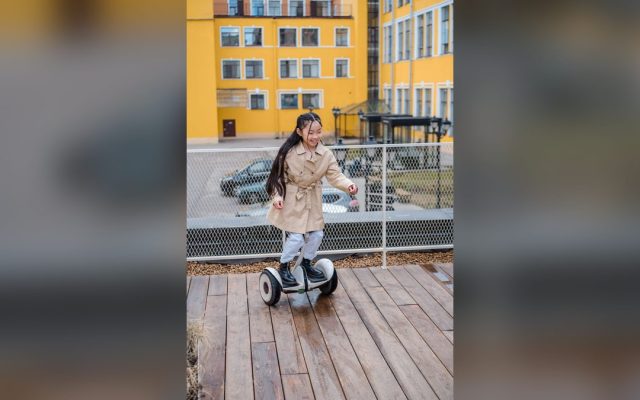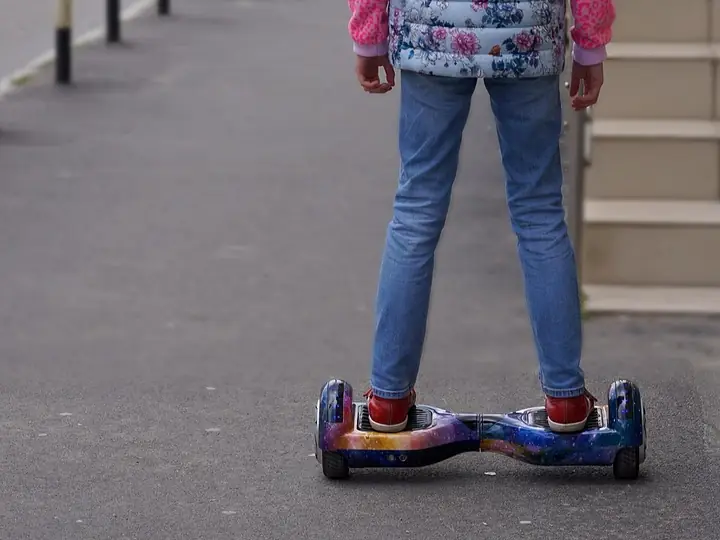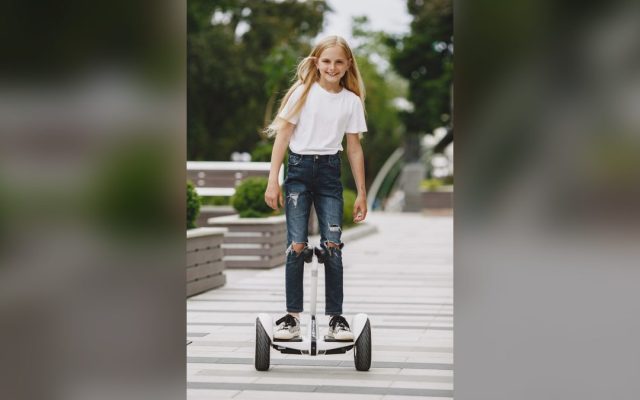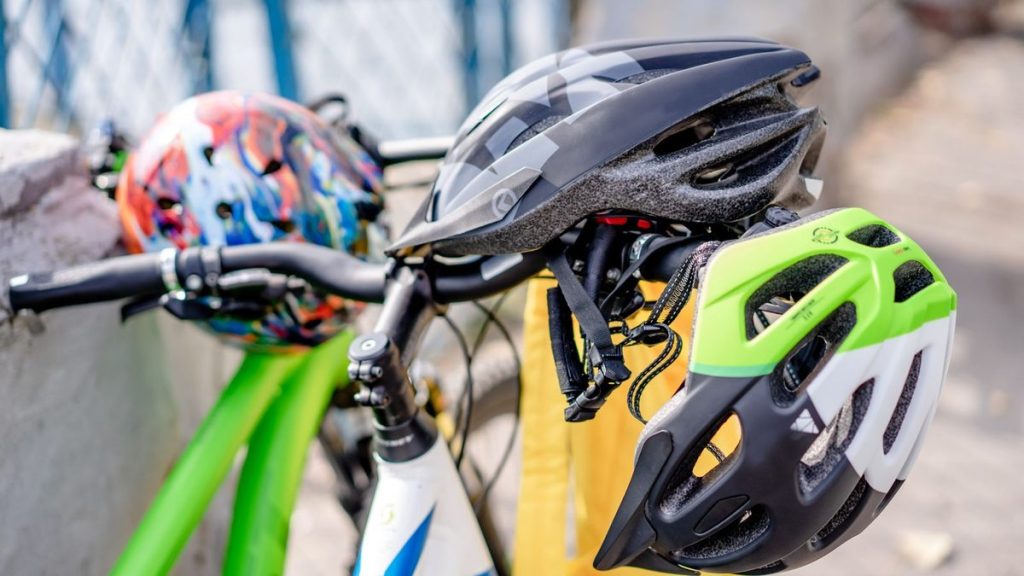
Picking the best hoverboard helmet shouldn’t feel like reading a science paper. You just want a lid that protects your head, fits like it was made for you, and doesn’t make you look like a giant mushroom. Good news — that exists, and we found five of them.
That one impact convinced me forever: the helmet on the cheap end of “okay” is still way better than the expensive one sitting on your shelf. So this guide is built around real protection, real comfort, and real prices — no fluff.
Below, you’ll get the top five hoverboard helmets of 2026, broken down in plain English. We’ll cover who each one is best for, what makes it worth the money, and where it falls short. By the end, you’ll know exactly which helmet to add to your cart — whether you’re buying for yourself, your kid, or someone you love who keeps trying tricks they shouldn’t.
⚡
Quick Answer
The best hoverboard helmet of 2026 is the Triple Eight Gotham Dual Certified. It’s dual-certified for both bike and skate impacts, which matches how hoverboard falls actually happen, and it costs around $60 — a steal for that level of protection.
80SIX Triple-Certified Multisport Helmet
Our top-ranked hoverboard helmet. CPSC + ASTM F1447 + ASTM F1492 — all three certifications in one helmet.
INNAMOTO Multi-Sport Safety Helmet
CPSC-certified for under $30. Adjustable fit, ventilated shell, works for hoverboard, scooter, skateboard and cycling.
Hover-1 My First — A Gentle First Board
Bought the helmet? Pair it with a board made for beginners: a 5 mph top speed, UL 2272 certification and LED headlights, for kids up to 80 lb.
Tight budget? Grab the OutdoorMaster Skateboard Helmet. Want top-tier safety? Go Bell Sanction 2 DLX MIPS.
What’s Inside
Why a Hoverboard Helmet Matters More Than You Think
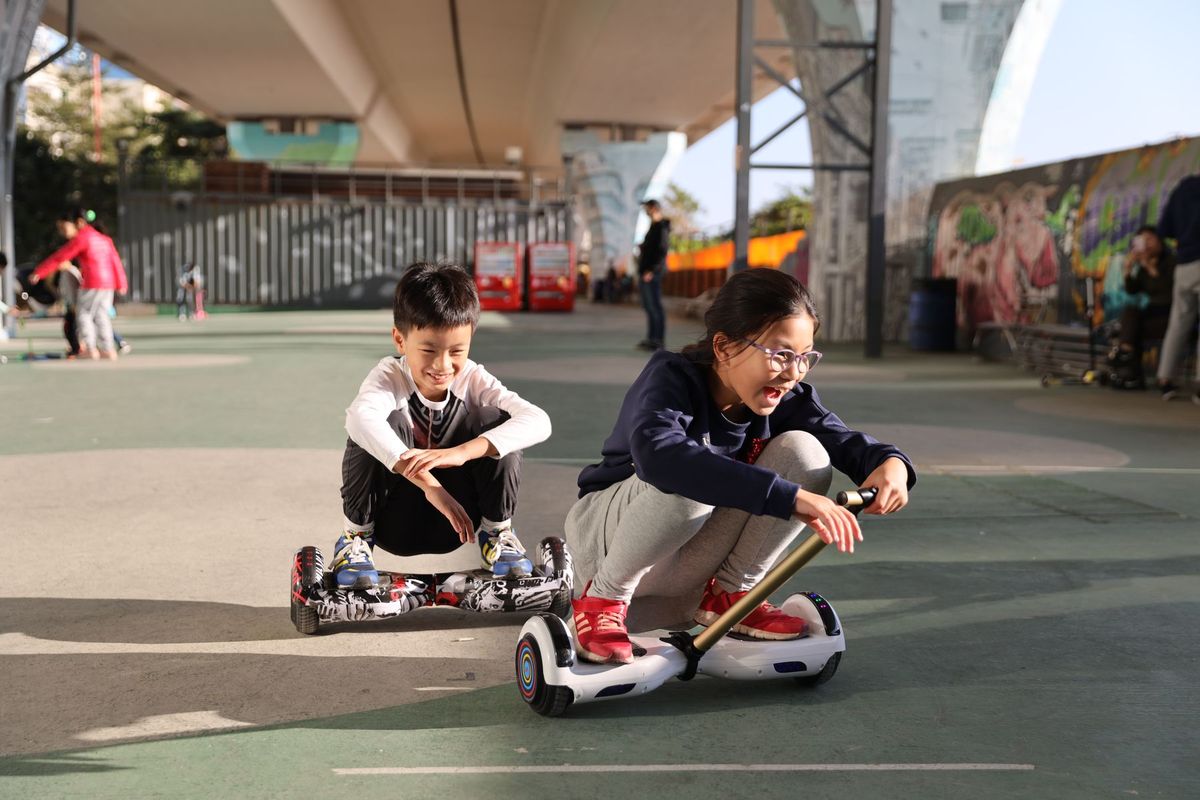
Here’s the thing nobody warns you about: most hoverboard injuries aren’t from going fast — they’re from going slow and falling weird. One second you’re cruising, the next your board hits a pebble and you’re on the ground before your brain catches up.
The Consumer Product Safety Commission has tracked tens of thousands of hoverboard ER visits, and head injuries sit near the top of the list. Concussions, scalp lacerations, and skull fractures show up again and again. The pattern is almost always the same — no helmet, hard surface, bad luck.
A good hoverboard helmet doesn’t just protect your skull. It protects your brain. Modern helmets use a foam liner called EPS that crushes on impact, soaking up the energy that would otherwise rattle your brain inside your skull. Some helmets add MIPS — a low-friction layer that lets the shell rotate slightly during a fall — and that’s a big deal because most real-world crashes hit at an angle, not straight down.
Reality Check
A 2025 study found that helmet use cut serious head injuries in micromobility crashes by roughly 60–70%. That’s not a small number. That’s the difference between a scraped elbow story and a hospital story.
And honestly? Helmets in 2026 look good. The era of bulky foam mushroom heads is over. Today’s lids come in matte black, glossy white, holographic prints, and even helmets with built-in lights and Bluetooth speakers. You’ll actually want to wear one.
How We Picked These Five Helmets
I didn’t just grab the bestsellers off Amazon and call it a day. Each helmet on this list went through the same five-part test:
- ✅ Certifications: Must meet CPSC at minimum. Bonus points for ASTM F1492 (skate) or NTA 8776 (e-mobility) dual-certification.
- ✅ Real-world fit: We compared fit options for round, oval and narrow head shapes, and weighed owner comments on comfort over longer rides.
- ✅ Coverage: Hoverboard falls often hit the back of the head, so rear coverage is non-negotiable.
- ✅ Ventilation: A sweaty helmet is a helmet you’ll leave at home. Airflow matters.
- ✅ Value: Does the price match what you’re getting? A $30 helmet that protects you is better than a $200 helmet collecting dust.
I also pulled real rider feedback from Reddit’s r/hoverboard, TikTok safety creators, and verified Amazon reviews to spot patterns nobody mentions in marketing copy. If three different riders said the same strap dug into their chin, that helmet didn’t make the list.
At-a-Glance: All Five Helmets Compared
| Helmet | Best For | Certification | MIPS | Price | Rating |
|---|---|---|---|---|---|
| Triple Eight Gotham | Overall best | CPSC + ASTM | No | $55–65 | ★★★★★ |
| Bell Sanction 2 DLX | Top safety | CPSC + ASTM + CE | Yes | $110–130 | ★★★★★ |
| Thousand Heritage 2.0 | Style + commute | CPSC | No | $95–115 | ★★★★½ |
| Pro-Tec Classic Certified | Classic look | CPSC + ASTM | No | $50–70 | ★★★★½ |
| OutdoorMaster Skateboard | Best budget | CPSC + ASTM | No | $25–35 | ★★★★ |
The Top Five Hoverboard Helmets of 2026
Pick by Rider Type — Which Helmet Fits You?
| If You Are… | Top Pick | Why |
|---|---|---|
| A first-time hoverboard rider | Triple Eight Gotham | Right balance of safety, comfort, and price |
| A daily city commuter | Bell Sanction 2 DLX MIPS | Highest protection for traffic risk |
| A style-conscious commuter | Thousand Heritage 2.0 | Looks great off the board too |
| A parent buying for a kid | OutdoorMaster Skateboard | Real safety, kid-friendly price |
| An old-school skater | Pro-Tec Classic | Iconic shape, dual certified |
How to Choose the Right Hoverboard Helmet
Before you click “buy,” there are four things you really need to nail. Get these right and any helmet on this list will serve you well.
1. Measure Your Head — Don’t Guess
Wrap a soft tape measure around your head about an inch above your eyebrows. That’s your circumference. Most helmets list a size range like “M = 55–58 cm.” If you’re between sizes, go up. A helmet that’s too tight gives you a headache; one that’s too loose can shift in a crash.
2. Check the Certifications
For hoverboards, look for CPSC + ASTM F1492 — that combo gives you both bike-style impact protection and skate-style multi-impact toughness. NTA 8776 (the e-bike standard) is a bonus if you also ride faster electric vehicles.
3. Try the Two-Finger Test
Once it’s on, you should fit two fingers between your eyebrows and the front of the helmet. The straps should form a V under your ears, and the buckle should sit snug under your chin without choking you. If you can rock the helmet forward and your forehead is exposed, it’s too loose.
4. Don’t Skip the Vents
Vents matter more than people think. A hot, sweaty helmet is a helmet you “forget” at home. If you ride in warm weather, get at least 8–11 vents.
Pro Tip
If you’re between two helmets and can’t decide, pick the one with better rear coverage. Hoverboard wipeouts almost always send you backward — and that’s the part of your skull most likely to hit pavement first.
Common Mistakes (And How to Fix Them)
I see the same handful of mistakes again and again — from first-time riders, parents, and even people who’ve been riding for years. Here’s how to dodge them.
Mistake 1: Buying a helmet without checking the certification
The fix: Look inside the helmet for a sticker. If it doesn’t say CPSC, ASTM, or both, put it back. “Looks like a helmet” isn’t the same as “passes testing.”
Mistake 2: Wearing the helmet too far back
The fix: Your forehead should be covered. The helmet shouldn’t sit like a beanie on the back of your head. If your eyebrows are showing, slide it forward.
Mistake 3: Reusing a dropped helmet
The fix: If your helmet has been in any crash — even a small one — replace it. The foam compresses on impact and won’t protect you the same way next time, even if it looks fine.
Mistake 4: Skipping the chin strap
The fix: An unstrapped helmet flies off in a crash. Always buckle, always tighten until it’s snug under your chin.
Mistake 5: Buying based on color alone
The fix: Pick the helmet first, color second. The fit and certification matter way more than whether it matches your sneakers.
Pro Tips
- Wash your pads weekly. Sweat breaks down foam over time. Most helmets have removable, washable inner pads — use them.
- Add reflective stickers. A $3 pack of reflective tape can save your life when riding at dusk. Slap them on the back and sides of your helmet.
- Don’t store it in a hot car. Heat warps the foam and weakens the shell. Bring your helmet inside.
- Tighten the chin strap so two fingers barely fit underneath. Looser than that and it’ll come off in a crash.
- Replace every 3–5 years. Even without a crash, foam ages. Check the manufacturing date sticker inside.
- Pair it with wrist guards. Most hoverboard injuries are wrists, not heads — but you should protect both.
The best helmet is the one you actually wear. Don’t overthink it — buy a certified one, make sure it fits, and put it on every single time.
Frequently Asked Questions
Do I really need a helmet for a hoverboard?
Yes. Even at slow speeds, a fall sends your head straight to hard ground. A certified helmet is the single biggest safety upgrade you can make, and most cost less than a tank of gas.
What helmet certification should I look for in 2026?
Look for CPSC at minimum. For better protection, choose a dual-certified helmet with both CPSC and ASTM F1492 (skate standard), since hoverboard falls behave more like skate falls than bike crashes.
Is MIPS worth the extra money?
If you ride often, ride fast, or ride on pavement — yes. MIPS adds a slip-plane inside the helmet that reduces rotational forces during angled impacts, the kind of falls hoverboard riders typically have.
Can kids use the same helmets as adults?
Only if it’s sized for their head. Most adult helmets start at 54 cm; kids often need 48–54 cm. Always measure first and choose a youth-specific model when in doubt.
How long does a hoverboard helmet last?
Replace every 3–5 years, or immediately after any hard impact — even if it looks fine. The foam inside compresses and loses protection over time.
Are bike helmets okay for hoverboards?
They work, but they’re not ideal. Bike helmets are tested for one big impact and have less rear coverage. Skate-style or dual-certified helmets cover more of your head and handle multiple smaller impacts better.
Your Final Buyer’s Checklist
Before you click buy, run through this list:
- ✅ Helmet has CPSC certification (mandatory)
- ✅ Bonus: ASTM F1492 dual certification
- ✅ MIPS for high-frequency or fast riders
- ✅ Head measured with a soft tape (above eyebrows)
- ✅ Size matches the listed circumference range
- ✅ Strap forms a V under each ear
- ✅ Two-finger gap above eyebrows
- ✅ Good rear-of-head coverage
- ✅ Vents that match your climate
- ✅ Replacement plan: every 3–5 years or after any impact
The Bottom Line
Picking the best hoverboard helmet of 2026 doesn’t have to be hard. If you only remember one thing: get a helmet with CPSC + ASTM dual certification, make sure it fits snug with the chin strap buckled, and actually wear it.
For most riders, the Triple Eight Gotham Dual Certified is the clear winner — it’s the right balance of safety, comfort, style, and price. If you can stretch your budget, the Bell Sanction 2 DLX MIPS gives you the best protection money can buy at this level. And if budget is tight, the OutdoorMaster Skateboard Helmet proves you don’t have to spend a lot to ride safe.
One last thing: helmets aren’t a “maybe” — they’re a “every ride, every time.” Your future self will thank you. 🛹💨
Want more rider gear advice? Check out our guide to the best hoverboards for beginners, our complete wrist guard buying guide, and our CPSC official hoverboard safety page for more tips.
About this article: Written by the Hoverboards Guide editors from manufacturer specifications, published safety guidance and owner feedback. Last updated May 9, 2026.
Affiliate disclosure (#ad): As an Amazon Associate, HoverboardsGuide earns from qualifying purchases via tag hoverboardsgu-20. Our editorial picks are independent — affiliate links never change which products we recommend.
Safety notice: Always ride within your skill level, follow local laws, and replace your helmet after any significant impact. This article offers general guidance and is not a substitute for manufacturer instructions.