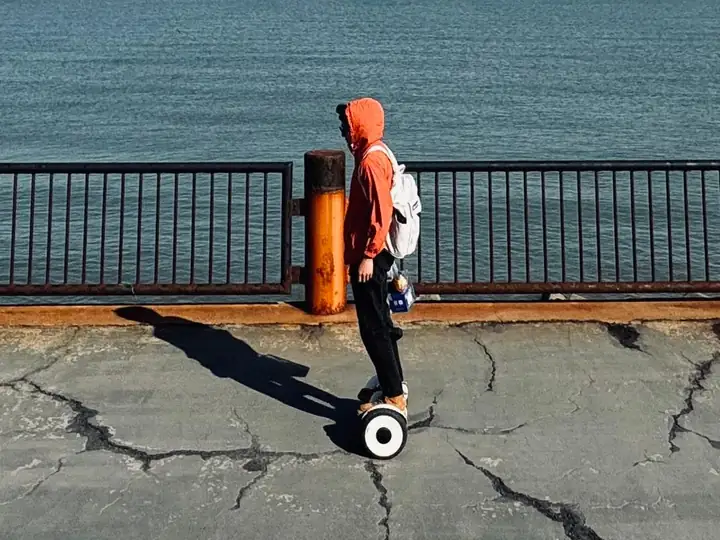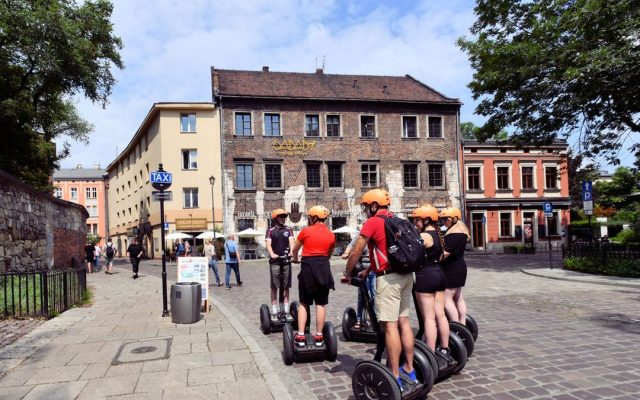
How Fast Does a Hoverboard Go? Real Speeds, Top Models & Safety Tips
Wondering if hoverboards are too slow, just right, or fast enough to feel like flying? Here’s the honest, research-backed answer — plus the fastest models worth your money in 2026.
The Quick Answer
Most hoverboards go between 6 and 12 mph (10–19 km/h). Kids’ models stay around 5 mph. Standard adult hoverboards cruise at 7–8 mph. Off-road and premium models can hit 10–12 mph. The very fastest street-legal, UL 2272 certified hoverboards top out near 12.5 mph — and that’s about as fast as you can safely go on two small wheels.
If you want speed without sacrificing safety, look at faster certified hoverboards on Amazon #ad — the sweet spot is 8–10 mph for adults.
Hover-1 My First — Capped at 5 mph
Built for young kids: a 5 mph top speed, dual 150W motors and UL 2272 certification. It carries riders up to 80 lb, so older riders should look at a faster board.
80SIX Triple-Certified Multisport Helmet
At hoverboard speeds (6-9mph) a fall can cause serious head injury. This triple-certified helmet is mandatory.
187 Killer Pads Wrist Guards
Instinct is to catch yourself — wrist fractures are the #1 hoverboard injury. Add these before your first ride.
Let’s be honest — when most people buy a hoverboard, the very first thing they want to know is: “How fast will this thing actually go?” You picture yourself zipping down the sidewalk, breeze in your face, looking effortlessly cool. Then you read the box, see “8 mph,” and wonder if that’s fast or slow.
Here’s the truth: speed numbers on the box don’t always match real life. Your weight, the ground you’re rolling on, your battery level, and even the temperature outside all change how fast you actually go. A hoverboard rated for 10 mph might only hit 7 mph when you’re going uphill with a low battery.
In this guide, I’ll walk you through real-world hoverboard speeds, what makes a board faster, the fastest models you can actually buy in 2026, and how to ride safely when things start feeling fast. By the end, you’ll know exactly what speed you need — and which board fits your style. Let’s roll. 🛹
This article is part of our hoverboard safety and riding guide, which links every safety, riding and legal guide.
The Real Speed Range of Hoverboards
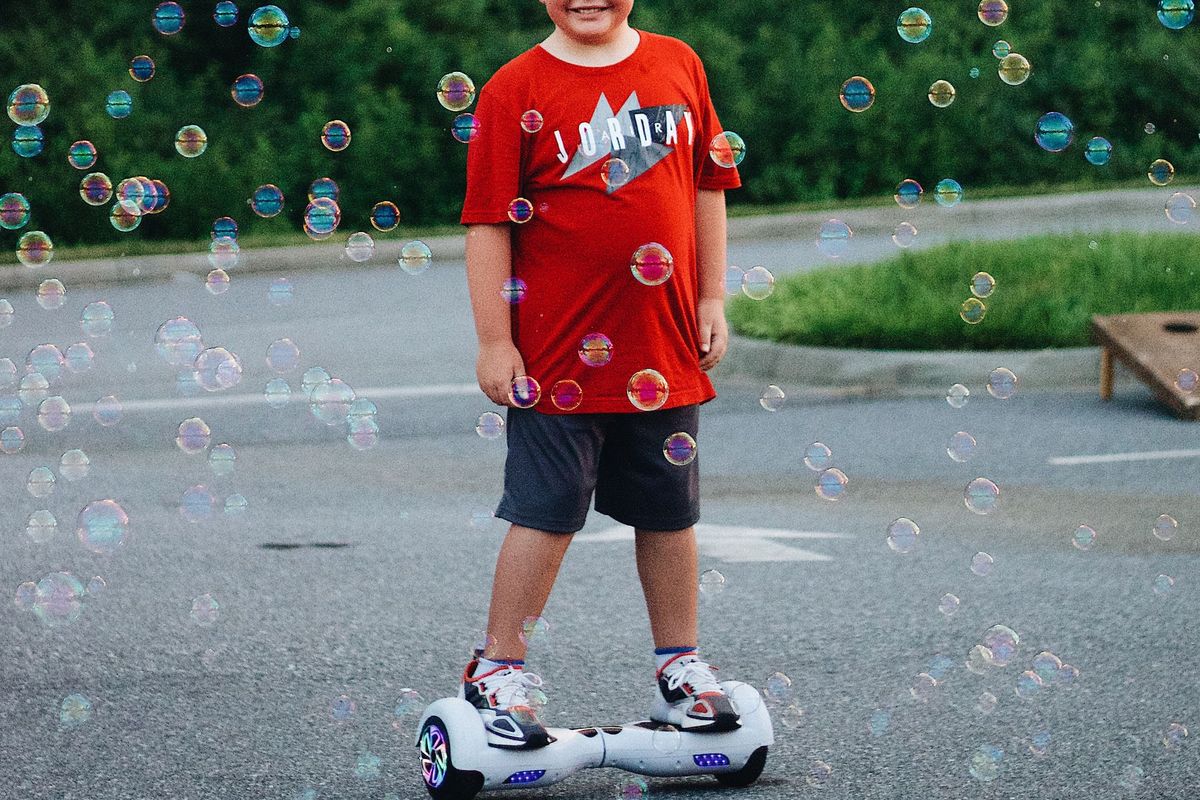
Most hoverboards in 2026 are built to go between 6 mph and 12 mph. That’s roughly 10 to 19 kilometers per hour. To put that in perspective, the average person walks at about 3 mph and jogs at about 6 mph. So even a “slow” hoverboard at 6 mph feels like easy jogging speed — not bad at all when you’re standing still on a board.
Here’s the catch though: hoverboards have a soft speed ceiling for a good reason. UL 2272 — the safety certification you should always look for — limits how fast and how powerful these boards can be. That’s why you almost never see a certified hoverboard advertised above 12.5 mph. Anything claiming 15, 20, or 25 mph is either uncertified, a marketing stretch, or technically a different category of vehicle (like a self-balancing scooter).
Quick speed snapshot:
- 🐢 Kids’ hoverboards (4.5″ wheels): 3–5 mph
- 🚶 Entry-level adult boards (6.5″ wheels): 6–8 mph
- 🏃 Mid-range boards (6.5″–8″ wheels): 8–10 mph
- 🏎️ Off-road and performance boards (8.5″–10″): 10–12.5 mph
On flat pavement, 8 mph feels controlled. 10 mph starts to feel exciting. 12 mph is where you really need to know what you’re doing.
7 Things That Change Your Top Speed
Two riders on the same hoverboard can hit different top speeds. Here’s why — and what you can control.
1. Rider Weight
Heavier riders go a touch slower because the motors work harder. A 220-lb adult on a board rated for 8 mph might only see 7 mph in real life. A 120-lb teen on the same board might cruise right at 8 mph. Rule of thumb: stay under 80% of the board’s max weight to keep speed consistent.
2. Battery Charge Level
A fully charged battery delivers full voltage and full speed. Once the battery drops below 30%, most hoverboards quietly throttle the top speed to protect the cells. If your board feels sluggish after a long ride, the battery (not the motor) is usually the culprit.
3. Terrain & Surface
Smooth concrete? You’ll hit max speed easily. Grass, gravel, or thick carpet? Expect to lose 20–40% of your top speed. Even small cracks and bumps slow you down because the board pulls back power to keep you balanced.
4. Hill Steepness
Most hoverboards handle a 15-degree incline just fine. Steeper than that, and your board will slow way down — sometimes to a crawl. Off-road models with bigger motors and 8.5″–10″ wheels handle hills much better.
5. Tire Size
Bigger wheels equal faster real-world speed. A 6.5″ wheel might rate at 8 mph, but an 8.5″ wheel turning at the same RPM covers more ground per spin — pushing you closer to 10 mph and giving you a smoother ride.
6. Motor Wattage
Motors range from 200W (kids) to 800W (off-road monsters). Higher wattage means more torque, which means the board holds its speed even when you’re going uphill or carrying more weight.
7. Riding Mode
Many newer hoverboards have a beginner mode that caps speed at 4–5 mph. Switch to standard or sport mode in the companion app to unlock the real top speed.
Speed by Hoverboard Type
Not all hoverboards are built the same. Here’s how speed breaks down across the main categories — so you can pick what matches your style.
Kids’ Hoverboards (Ages 6–10)
These usually max out at 3–5 mph and use 4.5″ or 6.5″ wheels with smaller 200–250W motors. That’s intentional — slow speeds give kids time to learn balance without scary face-plants. Look for built-in beginner modes that cap things even lower while they get comfortable.
Standard Adult Hoverboards
The bread-and-butter category. Most adult hoverboards top out at 6.5–8 mph. Think Hover-1 Astro, Razor Hovertrax, Gotrax SRX. They use 6.5″ wheels and 250–350W motors. Perfect for sidewalks, smooth bike paths, and short commutes. Want to view adult hoverboards on Amazon #ad? Most sit in this 7–8 mph range.
Performance & Off-Road Hoverboards
This is where speed lives. Boards like the Halo Rover X, Swagtron T6, and EPIKGO push 10–12 mph with 8.5″–10″ rugged tires and 400–800W motors. They’re heavier, pricier, and built to handle dirt, grass, and small hills. If you’ve maxed out a regular hoverboard and want more, this is your next step up.
Speed Comparison: Hoverboard Categories
Fastest Hoverboards You Can Buy in 2026
After comparing dozens of boards, these are the ones that actually deliver the speed they promise — without the safety red flags. All are UL 2272 certified.
1. Swagtron T6 Outlaw — Up to 12 mph
The Swagtron T6 has been a fan favorite for years, and for good reason. It supports riders up to 420 lbs (yes, really), pushes 12 mph confidently, and rolls on huge 10″ off-road tires. Best for: taller, heavier riders who want serious speed. Why it works: a 300W dual motor system with an oversized battery means it doesn’t slow down on hills. No longer sold on Amazon.
2. Halo Rover X — Up to 10 mph
The Halo Rover X feels like the Tesla of hoverboards. Smooth acceleration, app integration, and 8.5″ rubber tires that handle dirt and gravel without complaint. Best for: riders who want premium build quality with real off-road ability. Why it works: matched 400W motors deliver instant torque, so 10 mph feels effortless even on uneven ground. No longer sold on Amazon
3. Gotrax Infinity — Up to 7.5 mph
For most adults who just want a reliable, smooth board that won’t break the bank, the Gotrax Infinity is hard to beat. Best for: beginners and casual sidewalk riders. Why it works: 6.5″ tires, Bluetooth speakers, and a stable 7.5 mph top speed make it forgiving and fun.
4. Hover-1 Titan — Up to 7.45 mph
Built like a tank with 10″ all-terrain tires. The top speed is modest, but the Titan holds it on grass, gravel, and slight hills. Best for: riders who care about durability over raw speed. See options on Amazon #ad
5. Tomoloo K1 — Up to 9.3 mph
A solid middle-ground choice. RGB LED wheels, decent off-road handling, and a respectable 9.3 mph top speed. Best for: riders who want speed plus a flashy look. Why it works: dual 300W motors with smart speed control keep things steady even when accelerating fast.
Top Models Head-to-Head
How 8 mph vs 12 mph Actually Feels
Numbers on paper don’t tell you what speed feels like under your feet. So here’s an honest breakdown, based on specs and owner reports.
At 5 mph, you feel completely in control. It’s slower than a casual jog. Beginners can comfortably step off if something goes wrong. Great for the first week of riding.
At 8 mph, things get fun. You feel a real breeze. You’re moving faster than people walk, but slow enough that bumps don’t knock you off. This is the sweet spot for most adults.
At 10 mph, you start paying attention. Cracks in the sidewalk matter. Pedestrians get nervous. You need to plan your stops earlier because the board takes longer to slow down.
At 12 mph, you’re flying — for a hoverboard. This speed is no joke. A small pebble or pothole can throw you off if you’re not focused. Helmet, knee pads, and good awareness become non-negotiable.

Staying Safe at Higher Speeds
The faster you go, the longer it takes to stop and the harder you fall. Here’s what experienced riders always do at speeds above 8 mph:
- ✅ Wear a helmet, every single ride. Brain injuries are no joke.
- ✅ Add wrist guards and knee pads if you’re new to higher speeds.
- ✅ Stick to UL 2272 certified boards. This certification means the battery and wiring have been tested for thermal safety.
- ✅ Avoid wet surfaces. Hoverboards have small wheels — water makes them slide unpredictably.
- ✅ Look 10 feet ahead, not down at your feet. Your balance is better when your eyes are forward.
- ✅ Slow down before turns. Sharp turns at high speed are the #1 cause of falls.
According to the U.S. Consumer Product Safety Commission, hoverboard injuries spike on boards without proper certification. Stick with brands that show their UL certification clearly on the box.
How to Make Your Hoverboard Faster (Safely)
If your board feels slower than you expected, you don’t always need a new one. Try these in order:
- Switch out of beginner mode. Open the companion app and look for “Sport Mode” or “Standard Mode.” This alone can add 2–3 mph instantly.
- Fully charge before every ride. A 100% battery delivers full voltage. A 60% battery quietly limits speed.
- Lose any extra weight. Skip the heavy backpack. Empty pockets help a little too.
- Ride on smoother surfaces. Concrete is faster than asphalt. Asphalt is faster than pavers. Pavers are faster than grass.
- Lean forward gently. Once you’re at top speed, a slight lean keeps the motors engaged. Don’t lean too hard or you’ll trigger the safety tilt-back.
- Keep tires clean and inflated (if you have pneumatic off-road tires). Properly inflated tires roll faster.
Common Mistakes (and Easy Fixes)
Mistake #1: Buying for Top Speed Only
The fix: Speed alone won’t make you happy. Range, build quality, and weight capacity matter just as much. A 12 mph board that dies after 4 miles is worse than a 9 mph board with 10 miles of range.
Mistake #2: Ignoring the Beginner Mode Setting
The fix: Half the “slow hoverboard” complaints I see online turn out to be beginner mode left on. Open your app or check the manual to switch modes.
Mistake #3: Riding at Top Speed Right Away
The fix: Build up gradually. Spend your first 5 hours of riding at 4–6 mph. Your balance, reflexes, and turning skills need time to catch up to the speed.
Mistake #4: Riding on the Wrong Surface
The fix: A 6.5″ wheel hoverboard on grass is going to be slow and frustrating. Match the board to the terrain — small wheels for smooth pavement, 8.5″+ wheels for off-road.
Mistake #5: Skipping the Helmet
The fix: Even at 8 mph, a fall on concrete can mean a concussion. The fix takes five seconds and costs $30. Just wear it.
Pro Rider Tips
- 💡 Weight = stability. Slightly heavier riders (within the limit) tend to feel more stable at top speed than very light riders.
- 💡 Charge after, not before. Charging right before a ride can leave the battery warm. A cool, fully charged battery delivers smoother power.
- 💡 Practice the dismount first. Knowing how to step off cleanly at speed is more important than knowing how to go fast.
- 💡 Learn the tilt-back warning. Most boards push the front of the footpad up when you hit max speed. Don’t fight it — that’s the safety system kicking in.
- 💡 Keep both feet planted. Standing on the edges or on tiptoes makes the gyro sensors twitchy at high speed.
Frequently Asked Questions
Is 10 mph fast for a hoverboard?
Yes — 10 mph is in the upper tier for hoverboards. Most certified models top out between 6 and 12 mph, so a 10 mph board sits comfortably above average. It feels noticeably quick but is still controllable for an experienced rider.
Can a hoverboard go 20 mph?
Not legitimately. Any UL 2272 certified hoverboard maxes out around 12.5 mph. Anything claiming 15, 20, or 25 mph is usually uncertified — which means the battery and wiring haven’t been tested for fire safety. Skip those.
Why is my hoverboard slower than advertised?
Most often it’s one of three things: beginner mode is still on, your battery is below 50%, or you’re heavier than the board’s “test rider” weight. Check the app, charge fully, and try again on smooth concrete.
What’s the fastest hoverboard for adults in 2026?
The Swagtron T6 Outlaw at 12 mph is one of the fastest UL-certified options, especially for heavier riders. The Halo Rover X at 10 mph is the smoothest premium pick.
Does rider weight really change top speed?
Yes, and more than people expect. A rider near the max weight limit can lose 10–25% of the advertised top speed because the motors work harder to maintain balance. Stay under 80% of the rated weight capacity for best results.
Are faster hoverboards more dangerous?
Faster speeds mean longer stopping distances and harder falls. But the bigger danger is uncertified speed — boards that promise 20+ mph with cheap batteries. A certified 12 mph board is much safer than an uncertified 15 mph one. Always wear a helmet at speeds over 6 mph.
How fast does a hoverboard go?
Most hoverboards go 6 to 10 mph, which is about jogging pace. Standard 6.5-inch beginner boards land near 6 to 8 mph, while larger 8.5-inch all-terrain boards reach 8 to 10 mph. A few performance boards are rated up to about 12 mph, and with an adult aboard the real top speed is usually a little below the number on the box.
How fast do kids’ hoverboards go?
Kids’ hoverboards typically go 6 to 7 mph, and many can be capped even slower. Most 6.5-inch boards designed for children have a beginner mode or an app setting that lets a parent limit the top speed. Start a child at the slowest setting and unlock more speed only as their balance improves.
Is there a 40 mph hoverboard?
No. True self-balancing hoverboards top out around 10 to 12 mph. The 40 mph rides people sometimes call hoverboards are actually high-performance electric scooters and electric unicycles, which have bigger wheels, suspension and stronger brakes.
Why can a hoverboard not go 40 mph?
Hoverboards rely on small wheels and self-balancing gyroscopes that become unstable and unsafe at high speed. Their motors and tiny wheelbase are not built for 40 mph; that speed requires the larger wheels, suspension and braking of scooters or unicycles.
Final Speed Checklist
Before you buy a hoverboard, double-check these:
- ☑️ Top speed matches your skill level (start with 6–8 mph if you’re new)
- ☑️ UL 2272 certification clearly listed
- ☑️ Wheel size matches your terrain (6.5″ pavement, 8.5″+ rough ground)
- ☑️ Weight capacity is at least 25% above your weight
- ☑️ Range covers your typical ride distance
- ☑️ Battery is from a known brand (Samsung or LG cells preferred)
- ☑️ Has a beginner mode for the first week
- ☑️ You’ve ordered a helmet to ride with on day one
Wrapping Up
So how fast does a hoverboard go? Real talk — most ride between 6 and 12 mph, with the sweet spot for adults sitting around 8–10 mph. That’s fast enough to feel exciting, slow enough to stay safe, and the speed range where the best certified boards live.
Don’t get caught up chasing the highest number on the box. The smoothest, safest, most fun hoverboards aren’t always the fastest — they’re the ones that hold their speed reliably across different conditions. Match your board to your weight, your terrain, and your skill, and you’ll have way more fun than someone who buys the fastest thing they can find.
Whether you’re a parent picking out a 5 mph beginner board, a teen ready for an 8 mph cruiser, or an adult eyeing a 12 mph off-road beast — there’s a perfect speed out there for you. Just remember: helmet first, top speed second. 🪖
📚 Keep Reading on HoverboardsGuide.com: