The honest 2026 answer on hoverboard fires — plus the simple safety habits that keep your battery from ever becoming a headline.
Do hoverboards still catch fire? Yes, a small number still can — but here’s the part that matters: the risk today is a tiny fraction of what it was back in 2016. If your memory of hoverboards is news footage of boards bursting into flames under a Christmas tree, that picture is badly out of date. The batteries, the wiring, and the safety rules have all changed in a big way.
Here’s some perspective. As of early 2026, there hasn’t been a major hoverboard recall in more than two years — the longest quiet stretch since the whole fire panic first started. Compare that to 2016 and 2017, when dozens of models were yanked off shelves and firefighters were pulling scorched boards out of living rooms. The scary stories were real. A few were even deadly. But they mostly came from cheap, uncertified boards made during a chaotic gold-rush period that is long over.
So the fear isn’t silly, it’s just old. In this guide we’ll give you the straight answer, explain exactly why the early boards caught fire, break down the UL 2272 safety standard that fixed most of it, walk through the real recall history, and hand you a dead-simple checklist so your board stays cool, boring, and safe.
So, Do Hoverboards Still Catch Fire? The Short Answer
Yes, hoverboards can still catch fire — but this is not 2016 anymore, and the difference is huge. The short, honest answer is that a small handful of hoverboards still overheat or ignite each year, and almost every one of them is a cheap, uncertified, counterfeit, or physically damaged board. A quality, properly certified hoverboard that you charge and store the right way is very unlikely to ever give you trouble.
Think about it the same way you think about your phone or your laptop. Those run on lithium-ion batteries too, and once in a great while one of them makes the news for catching fire. It happens — but you don’t lie awake worrying about it, because the odds are tiny and the batteries are well-made. Modern hoverboards from reputable brands now sit in that same category. The danger never dropped to a perfect zero, but it dropped enough that a good board is an ordinary household gadget, not a ticking bomb.
The trouble is that the internet is still full of $99 no-name boards shipped from overseas with mystery batteries inside. Those are the ones that keep the fear alive. So the real question isn’t really ‘are hoverboards safe?’ It’s ‘is THIS hoverboard safe?’ And that comes down to a few things you can actually check before you buy and before you charge.
| Factor | 2016–2017 (Peak Fires) | 2026 Today |
|---|---|---|
| Safety standard | Little to none; UL 2272 brand new | UL 2272 certification is the norm |
| Battery quality | Often cheap or counterfeit cells | Tested cells with protection circuits |
| Recalls per year | Dozens of models pulled | Zero recalls in 2+ years |
| Charging safeguards | Frequently missing cutoffs | Smart charging and thermal cutoffs |
| Typical fire source | New boards, even in normal use | Cheap, uncertified, or damaged boards |
| Overall risk to buyer | Genuinely high if buying blind | Low if you buy certified and charge smart |
Why Hoverboards Caught Fire in the First Place
To understand why today’s boards are safer, it helps to know what actually went wrong back then. Every hoverboard runs on a lithium-ion battery pack — the same rechargeable technology in your phone. When these batteries are built well, they’re safe and reliable. When they’re built badly or pushed too hard, they can fail in a dramatic way that engineers call ‘thermal runaway.’
Thermal runaway is a chain reaction. One battery cell overheats, which makes the cell next to it overheat, which sets off the next one, and so on — faster and faster until the whole pack vents flames and toxic smoke in seconds. It’s very hard to stop once it starts, and a lithium fire can even reignite after you think it’s out. During the 2015–2016 hoverboard craze, factories cranked out millions of boards almost overnight, and a lot of them cut corners on the one part you never want cut: the battery.
The result was ugly. Between December 2015 and February 2018, U.S. safety regulators logged 283 hoverboard fire or overheating incidents across 44 states, causing burn injuries, smoke inhalation, and more than $9 million in property damage — including six homes and two cars destroyed. That wave of fires is exactly what forced the industry to clean up its act.
Thermal Runaway
This is the core danger of any lithium battery. A single bad or damaged cell overheats and triggers its neighbors in a self-feeding chain reaction. Within seconds the pack can hit extreme temperatures and burst into flame, which is why a failing board can go from fine to fire so fast.
Cut-Rate Battery Cells
Early bargain boards used cheap or counterfeit cells with metal impurities and no real quality control. Tiny burrs inside a cell could pierce the internal layers and cause a short circuit. Worse, many packs had no protection circuit to shut things down when a cell misbehaved.
Overcharging and Damage
Without a smart charging cutoff, a board left plugged in too long could keep pushing power into a full battery until it overheated. Add a hard fall, a cracked case, or a puddle ride, and a damaged cell could fail days or weeks later — often while quietly charging in a hallway.
What Changed: UL 2272 Certification Explained
The single biggest reason hoverboards are safer today is a safety standard called UL 2272. It arrived in 2016, right as the fires peaked, and it changed the game. UL is an independent safety-testing organization, and UL 2272 is their tough set of tests built specifically for self-balancing scooters — what we all call hoverboards.
What makes UL 2272 so useful is that it doesn’t just test the battery alone. It tests the whole electrical system as a package: the battery pack, the charger, the wiring, the motors, and how the board is built overall. Testers slam it with impacts, dunk it and spray it with water, shake it with heavy vibration, and swing it through hot and cold temperatures. Most importantly, they run tests designed to catch the exact problems that caused the early fires — overheating and short circuits. A board only earns the mark if it survives all of it.
Now, an honest word of caution: UL 2272 is not a magic force field. No certification can promise a battery will never, ever fail — abuse, damage, or a rare defect can still cause a problem. But a certified board has passed real, brutal safety testing that the $99 mystery boards never even attempt. It is by far the most important thing to look for, and reputable brands all carry it now.
- Tests the entire system — battery, charger, wiring, motors, and build quality, not just one part
- Overheating and short-circuit tests that target the exact causes of the early fires
- Impact, water, vibration, and temperature abuse tests to mimic real-world rough use
- A genuine board carries a holographic UL ‘Enhanced Mark’ on the packaging and on the bottom of the unit
- You can double-check any model for free in the UL certification database at ul.com/database
The Recall History and the Jetson Tragedy
Since 2016, there have been roughly 23 hoverboard recalls in the U.S., covering about 1.1 million units — and battery fire risk was the reason behind nearly all of them. The overwhelming majority came during the 2016–2017 peak, when the market was flooded with untested boards. As certification took hold, the recalls slowed to a trickle.
The most serious came in March 2023, when Jetson recalled about 53,000 of its 42-volt Rogue hoverboards after two deaths. In April 2022, a fire in Hellertown, Pennsylvania — traced by the fire marshal to a Jetson Rogue — killed two young sisters, ages 10 and 15, and injured their parents. Those boards had been sold at Target and online for roughly $100 to $150. It was a heartbreaking reminder that a battery fire is not just a property risk; when it happens at night while a family sleeps, it can be deadly.
The good news within the bad: the industry kept tightening up. The most recent hoverboard recall on record was the Hover-1 Helix in December 2023, covering about 25,000 units for a fire hazard. After that? Silence. More than two years with no new recall — the longest safe stretch the category has ever had. That trend line, more than any marketing claim, is the real story of hoverboard safety in 2026.
How to Tell If Your Hoverboard Is a Fire Risk
Whether you already own a board or you’re about to buy one, you can size up the fire risk in a few minutes. Start with certification. Flip the board over and look for the holographic UL 2272 mark on the bottom, and check the box for the UL logo. If you can’t find it, or the model isn’t in UL’s database, treat that board as suspect — especially if it was ultra-cheap or came from an unfamiliar seller.
Next, watch for warning signs that a battery is starting to fail. A healthy pack is quiet and stays cool-to-warm. A failing one often tells on itself before it ignites. If your board’s case looks swollen or bulged, gets alarmingly hot, hisses or makes popping sounds, gives off a strange sweet or chemical smell, or suddenly won’t hold a charge, stop using it right away. Those are classic red flags of a battery in trouble.
Finally, factor in age and history. Batteries wear out, and a board that’s several years old, has taken hard falls, or has been ridden through water and puddles carries more risk than a fresh, gently-used one. Damage you can’t see — a quietly cracked cell — is exactly the kind of thing that can fail weeks later on the charger. When in doubt, retire an old or beat-up board rather than gambling on it.
- Swelling or bulging in the board’s shell — a serious sign the pack is failing
- Getting very hot during use or charging, well beyond mildly warm
- Hissing, crackling, or popping noises coming from inside
- A strange sweet, metallic, or chemical odor
- Smoke, leaking fluid, or scorch marks near the battery area
- Battery that suddenly drains fast or won’t charge like it used to
Safe Charging and Storage: Your Fire-Prevention Checklist
Here’s a comforting fact: most hoverboard fires happen during charging, which means most of them are preventable by you. Safety officials are blunt about the number-one rule — never charge a hoverboard overnight or when you’re asleep or away from home. Many of the worst lithium-battery house fires started at night, while the battery charged and the family slept. Charge only when you’re awake and nearby, and unplug the moment it’s full.
Where and how you charge matters just as much. Set up a dedicated charging spot on a hard, non-flammable surface — concrete, tile, or bare floor — never on a bed, couch, or carpet where heat can build up. Keep it away from doorways, exits, and anything flammable like curtains or a pile of laundry, so a rare failure can’t block your way out. Plug straight into a wall outlet rather than a power strip or extension cord, which can overheat at the connection.
Use only the charger that came with your board, or an exact manufacturer-approved replacement. Cheap universal or third-party chargers are a common cause of electrical faults. Let the board cool down for a bit after a ride before you plug it in, and try to charge in a room that’s between about 32°F and 105°F. For long-term storage, keep the board somewhere cool and dry at a partial charge, and check on the battery’s health now and then.
- Never charge overnight, while asleep, or when you leave the house — unplug when full
- Charge on concrete, tile, or bare floor — never a bed, sofa, or carpet
- Keep the charging spot clear of exits and away from anything flammable
- Use only the included or manufacturer-approved charger — no random universal ones
- Plug directly into a wall outlet, not a power strip or extension cord
- Let the board cool after riding before charging, and charge in a room-temperature space
What to Do If a Hoverboard Starts Smoking or Catches Fire
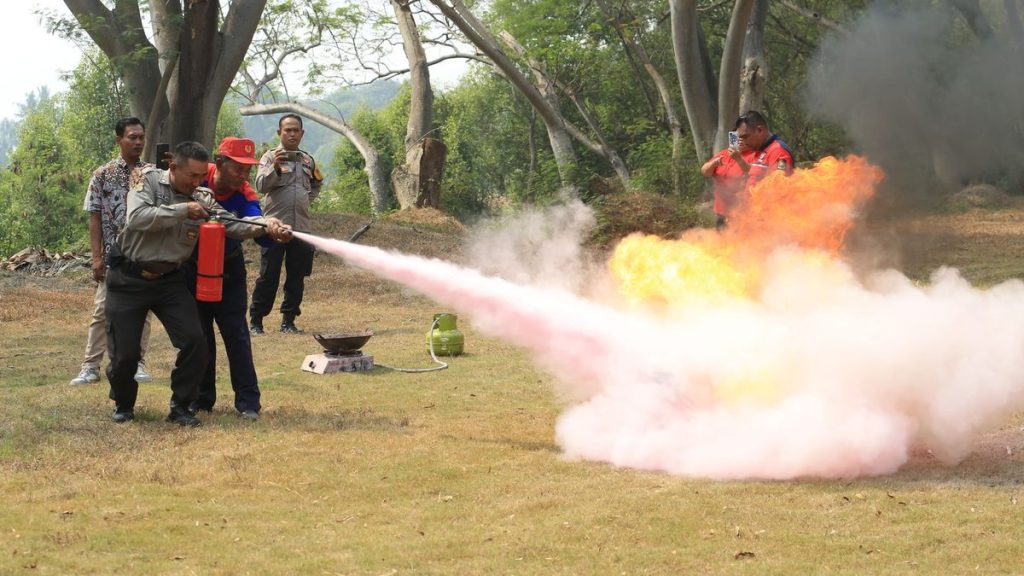
It’s rare, but you should know the plan before you ever need it, because a lithium fire moves fast and behaves differently than an ordinary fire. If your board starts hissing, swelling, smoking, or venting, don’t try to be a hero. Get yourself and everyone else away from it and out of the room, and call 911. These fires can produce toxic smoke and can flare up violently with very little warning.
If — and only if — you catch it at the very earliest stage and can do so safely, moving the device outside onto concrete and away from anything flammable can limit the damage. But never risk your safety to save a gadget. A lithium battery fire is genuinely hard to put out; it can burn extremely hot and even reignite minutes after it seems dead, so this is a job for the fire department, not a kitchen fire extinguisher and a brave attempt.
After any overheating scare — even a small one that didn’t turn into flames — retire that board for good. A cell that has gone into thermal runaway once is permanently compromised and can fail again. Don’t toss it in the household trash either, where it can start a fire in a truck or landfill. Take it to a proper battery or e-waste recycling center, and if it was a recalled model, use the maker’s return program.
- Get everyone out of the room and call 911 — treat it like the serious fire it is
- Don’t inhale the smoke; lithium fumes are toxic
- Only if it’s safe and very early, move it onto concrete away from flammables
- Never rely on smothering it — lithium fires can reignite on their own
- Retire and recycle any board after any overheating event, and never bin it in household trash
| Date | Brand / Model | Approx. Units | Reason / Notes |
|---|---|---|---|
| 2016 (multiple) | 10+ brands (Swagway, Hover-1, others) | 500,000+ | Battery overheating and fire risk at market peak |
| Mar 2023 | Jetson 42V Rogue | 53,000 | Fire hazard; two deaths reported |
| Dec 2023 | Hover-1 Helix (Camo, Galaxy) | 25,000 | Fire hazard; most recent recall on record |
| 2016–2026 total | About 23 recalls combined | ~1,115,200 | Battery fire risk drove nearly all of them |
| Warning Sign | What It Means | What to Do |
|---|---|---|
| Swollen or bulging shell | Gas building inside a failing pack | Stop use immediately; recycle the board |
| Very hot to the touch | Possible internal short or overcharge | Unplug, move to a safe surface, retire it |
| Hissing or popping sounds | Cells may be venting | Get clear of the area and call for help |
| Sweet or chemical smell | Battery electrolyte leaking | Stop charging; do not ride again |
| Won’t hold a charge | Worn or damaged cells | Replace the board; don’t keep using it |
Common Mistakes (and How to Fix Them)
Fix: That $99 mystery board is exactly the kind that still makes fire headlines. Only buy hoverboards that are UL 2272 certified, and confirm the model in UL’s free online database before you trust the listing.
Fix: Most serious hoverboard fires start on the charger while people sleep. Charge only when you’re awake and home, keep an eye on it, and unplug the second it hits full.
Fix: Cheap universal or third-party chargers are a common cause of electrical faults. Use only the charger that came with your board or an exact manufacturer-approved replacement.
Fix: A swollen case, strange odor, or unusual heat means the battery is failing. Stop using and charging it right away, and recycle it properly instead of hoping it settles down.
Pro Tips
- 💡 Verify certification yourself: look for the holographic UL 2272 mark on the bottom of the board and search the exact model at ul.com/database — don’t rely on the seller’s wording alone.
- 💡 Build a dedicated charging zone on concrete, tile, or bare floor, away from exits and anything flammable, and always plug straight into a wall outlet.
- 💡 Let your board cool down for 20–30 minutes after a ride before you plug it in — charging a hot battery adds unnecessary stress.
- 💡 For long-term storage, keep the board in a cool, dry spot at a partial charge (not bone-empty, not 100%), and top it up every couple of months.
- 💡 Register your board with the manufacturer and check CPSC.gov for recalls now and then, so you’re the first to know if your exact model gets flagged.
A Real-Life Example
My neighbor learned the certified-vs-cheap lesson the easy way, thankfully. Her first board was a no-name special she grabbed online for under a hundred bucks, and within a month it started getting weirdly hot and smelling faintly sweet while charging on the kitchen counter. She unplugged it, moved it outside, and never rode it again — smart calls that probably saved her a very bad night. When she replaced it with a UL 2272-certified model and started charging it on the garage floor while she was awake, the drama simply stopped.
That’s the pattern I see over and over. The riders who get scared are almost always the ones who bought blind and charged carelessly. The riders who never think twice about it are the ones who spent a little more on a certified board and picked up two or three easy charging habits. Same activity, completely different risk — and the difference is entirely in your hands before you ever step on.
Frequently Asked Questions
Yes, a small number still can, but it’s now rare and almost always involves cheap, uncertified, counterfeit, or damaged boards. As of early 2026 there hasn’t been a major hoverboard recall in over two years — the longest safe stretch ever — because UL 2272 certification and better batteries fixed most of the early problems. A quality certified board that you charge and store correctly is very unlikely to have any trouble.
No, no hoverboard is 100% fireproof, but UL 2272 certification dramatically lowers the risk. The certification means the whole system — battery, charger, wiring, and motors — passed tough overheating, short-circuit, impact, and water tests. It can’t rule out damage or a rare defect, which is why safe charging habits still matter, but it’s by far the most important thing to look for.
No — never charge a hoverboard overnight or while you’re asleep or away from home. Safety officials point out that many of the deadliest lithium-battery house fires started at night on the charger while families slept. Charge only when you’re awake and nearby, and unplug the board as soon as it reaches a full charge.
Flip the board over and look for the holographic UL ‘Enhanced Mark’ on the bottom, and check the packaging for the UL logo. Then confirm your exact model for free in UL’s certification database at ul.com/database. If you can’t find the mark or the listing, treat the board as uncertified — some sellers falsely claim certification they don’t actually hold.
Get everyone out of the room and call 911 immediately — treat it as a serious fire. Lithium battery fires spread fast, give off toxic smoke, and can reignite on their own, so don’t try to smother it or save the gadget. Only if it’s very early and safe should you move it onto concrete away from flammables. Afterward, retire and recycle the board for good.
They can be, but only if they’re genuinely UL 2272 certified from a reputable brand. The risk comes from ultra-cheap, no-name boards with mystery batteries, which are exactly the ones behind most modern fire reports. Stick to well-known brands, verify the certification in UL’s database, and be skeptical of any board priced far below the competition.
Final Checklist ✅
- ✅ Confirm the board is UL 2272 certified — check the holographic mark and the UL database before buying
- ✅ Use only the charger that came with the board, or an exact manufacturer-approved replacement
- ✅ Charge on a hard, non-flammable surface like concrete or tile — never a bed, couch, or carpet
- ✅ Never charge overnight, while asleep, or when you’re away from home
- ✅ Unplug the board as soon as it reaches a full charge
- ✅ Inspect regularly for swelling, excess heat, strange smells, or odd noises — and stop using it if you spot any
- ✅ Check CPSC.gov for recalls on your model and register the board with the manufacturer