From battery fires to broken wrists, here's the honest truth about hoverboard risks in 2026 — and how to ride safe.
If you’ve ever seen a video of a hoverboard bursting into flames, you already understand why hoverboards are so dangerous is a fair question to ask. These self-balancing boards look like simple, harmless fun. In truth, they carry two very real risks: lithium-ion battery fires and hard, sudden falls. Neither one is a reason to panic, but both are worth understanding before you or your kid steps on.
The fires are the scary part. A poorly made battery can overheat and burst into flames, sometimes hours after you unplug it. The falls are the common part. With no handlebar and no brake to grab, a hoverboard sends thousands of riders to the emergency room every year, mostly with hurt wrists. Together, those two dangers gave hoverboards a rough reputation.
Here’s the hopeful news. Hoverboards in 2026 are far safer than the ones that made headlines back in 2015. A safety standard called UL 2272 fixed most of the fire problem, and today’s certified boards rarely catch fire. In this guide, we’ll break down exactly why hoverboards earned their dangerous name, what changed, and how to ride one without becoming a cautionary tale.
The Two Dangers That Gave Hoverboards a Bad Name
When people ask why hoverboards are so dangerous, they’re usually picturing one of two things. The first is fire. A hoverboard runs on a lithium-ion battery, the same kind in your phone, only much bigger. When that battery is cheap or damaged, it can overheat, catch fire, and even explode. The second danger is simpler. You’re standing on a moving platform with no handlebar and no brake you can grab. Lose your balance and there’s nothing to hold on to.
Both dangers are real, but they’re very different. Fires come from what’s inside the board. Falls come from how you ride it. The good news is that you can lower both risks a lot with the right board and the right habits.
Here’s the part that surprises people. Most modern hoverboard injuries aren’t from fire at all. They’re from falls. Fire makes the scary headlines, but a broken wrist is far more likely than a burned living room. That’s why this guide covers both. We’ll look at why the batteries fail, why riders fall, and exactly what changed after 2016 to make today’s boards much safer.
- Fire risk: an overheating lithium-ion battery, usually while charging
- Fall risk: no handlebar, no hand brake, and a real learning curve
- Both risks are manageable with a certified board and safe habits
| Injury Type | Where It Hurts Most | Why It Happens |
|---|---|---|
| Fractures (broken bones) | Wrist and forearm | Riders throw out their hands to break a fall |
| Bruises and contusions | Hips, tailbone, legs | Falling off the side of the board |
| Strains and sprains | Wrist and ankle | Twisting while stepping on or off |
| Head and face injuries | Head | Falling backward with no helmet on |
| Cuts and scrapes | Hands, knees, elbows | Sliding across pavement after a fall |
Why Hoverboards Catch Fire
The fire problem comes down to one part: the lithium-ion battery pack. These batteries squeeze a lot of energy into a small space. That’s great for range, but it also means a lot can go wrong. When a battery cell is poorly made, it can develop a tiny internal short. That short creates heat. The heat damages the next cell, which creates more heat. This runaway chain reaction is called thermal runaway, and once it starts, it’s very hard to stop.
Cheap boards made the problem worse. During the 2015 craze, hundreds of no-name factories rushed hoverboards to market. Many used low-grade cells, thin wiring, and chargers with no smart shutoff. A board left plugged in overnight could quietly cook its own battery until it burst.
The numbers tell the story. The U.S. Consumer Product Safety Commission has linked hoverboards to more than 250 fire or overheating incidents. Those fires caused around 4 million dollars in property damage since 2015, and at least two deaths. In just a few months between late 2015 and early 2016, the CPSC counted 52 separate fires.
The Injury You’re Most Likely to Get
Fire grabs the attention, but falls send far more people to the hospital. One large study in the journal Pediatrics counted an estimated 26,854 hoverboard injuries treated in U.S. emergency rooms in just two years, 2015 and 2016. That’s a lot of broken bones for something that was mostly a holiday gift.
Why so many falls? A hoverboard has no handlebar to steady you and no brake lever to grab. You speed up by leaning forward and slow down by leaning back. New riders often lean too far, panic, and step off wrong. The board can also shoot out from under you if you mount it too fast or roll over a bump.
When people fall, they throw their hands out to catch themselves. That’s why the wrist is the most injured body part, followed by the forearm and the head. The usual injuries are fractures, bruises, and sprains. Kids get hurt the most, partly because they ride harder and often skip the safety gear.
The head injuries are the ones that should worry you. A wrist heals. A serious blow to the head is a different story. That single fact is why a helmet is not optional, no matter how slow the board goes or how old the rider is.
What Made the First Hoverboards So Risky
To understand today’s safety rules, it helps to look back at the mess that created them. Hoverboards exploded in popularity in late 2015. Almost overnight, they were the must-have gift. Supply couldn’t keep up, so factories cut corners, and there were no safety standards written for these devices yet. Anything could be sold.
Then the fires started. Videos of hoverboards bursting into flames in living rooms and airports went viral. Airlines banned them. Retailers pulled listings. In July 2016, the CPSC announced one of the biggest recalls in its history: more than 500,000 hoverboards from several brands. One brand alone, Swagway, accounted for 267,000 of them. Most had sold online between June 2015 and May 2016 for anywhere from 350 to 900 dollars.
No safety rules existed yet
When hoverboards took off, there was no written standard for how to build them safely. Factories could sell almost anything, and many did. Buyers had no easy way to tell a solid board from a fire waiting to happen.
Cheap cells and no cutoffs
Low-grade battery cells, thin wiring, and chargers with no smart shutoff were everywhere. A board left plugged in could easily overcharge and overheat. Those exact failures are what the recall and the new safety standard set out to fix.
How UL 2272 Turned Things Around
The fix arrived in early 2016, and it’s called UL 2272. UL is a respected safety-testing company, and 2272 is the standard they wrote specifically for personal electric rideables. By the end of 2016 it became an official American national safety standard. Today it’s the single most important thing to look for when buying a hoverboard.
UL 2272 doesn’t just test the battery. It tests the whole electrical system: the battery pack, the charger, the wiring, and the motors, plus how the board is built. Testers slam it, soak it, shake it, overcharge it, and run it through hot and cold chambers. The goal is to make sure the board won’t overheat or short out under real-world abuse, the exact failures behind the early fires.
Has it worked? Mostly, yes. As of early 2026, there hasn’t been a hoverboard recall in over two years, the longest quiet stretch since the trouble began. That’s a huge turnaround for a product that once felt like a ticking clock.
One honest note: UL 2272 lowers the fire risk a lot, but it can’t promise zero risk. A damaged board, the wrong charger, or plain bad luck can still cause trouble. Certification is your best protection, not a magic shield.
How to Ride Safe and Buy Safe in 2026
Staying safe on a hoverboard comes down to three habits: buy smart, charge smart, and ride smart.
Buy smart. Only buy a UL 2272 certified board from a brand you can actually look up. Skip the mystery listings with no brand name and a price that seems too good to be true. That low price usually means the corners were cut on the very parts that keep you safe.
Charge smart. Most fires happen while charging. Use only the charger that came with your board. Charge it on a hard surface like tile or concrete, away from doors and anything that can burn. Stay in the house while it charges, and unplug it the moment it’s full. Never charge overnight.
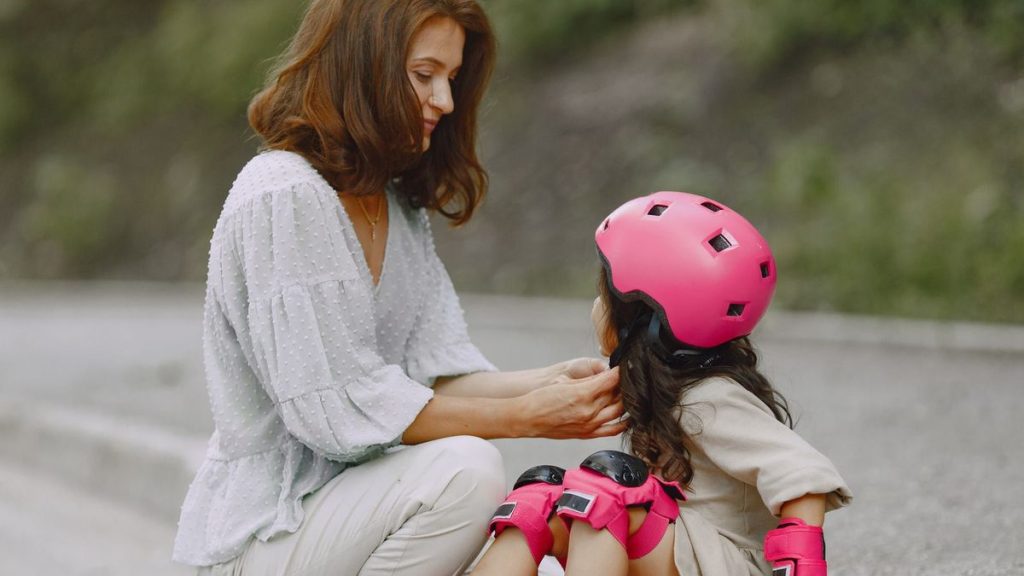
Ride smart. Gear up every single time. A helmet and wrist guards are the two must-haves, with knee and elbow pads close behind. Start in beginner mode if your board has one. Learn on a flat, open, dry surface. Step on one foot at a time, keep your knees soft, and hold your speed low until it all feels natural.
- Helmet rated ASTM F1492 or CPSC, worn every ride
- Wrist guards, since wrists break the most
- Knee and elbow pads for the harder falls
- Closed-toe shoes with grip, never sandals or flip-flops
- A dry, flat, traffic-free space to practice
So, Are Hoverboards Too Dangerous to Ride?
Here’s the honest answer. Hoverboards are far safer than they were in 2015, but they’re not risk-free, and they never will be. The fire danger has dropped a lot thanks to UL 2272. The fall danger is still there, because that’s just physics. You’re balancing on a small moving platform with your own two feet.
So who should ride? A responsible teen or adult on a certified board, wearing gear and riding at sane speeds, is taking a pretty small risk. Little kids are a harder call. Most brands set a minimum age of 8 and up, and many doctors suggest waiting even longer. A young child’s balance and judgment aren’t ready for a board that can hit 6 to 9 miles per hour.
Treat a hoverboard like a bike or a pair of skates, not a toy. Bikes cause injuries too, but we don’t ban them. We wear helmets, we teach kids to ride, and we respect the speed. Do the same here and the danger becomes something you can manage.
The bottom line: the board you buy and the way you treat it matter far more than the hoverboard label itself. Choose a certified model, charge it with care, gear up, and start slow. Do that, and you get almost all of the fun with a small fraction of the risk.
| Year | What Happened |
|---|---|
| 2015 | Hoverboards go viral; cheap imports flood the market with no safety rules |
| Late 2015 to early 2016 | CPSC logs 52 fires in a few months; airlines ban hoverboards from flights |
| July 2016 | CPSC recalls 500,000+ boards; Swagway alone pulls back 267,000 |
| End of 2016 | UL 2272 safety standard is published and adopted nationally |
| 2017 to 2020 | Certified boards take over the market; fires drop sharply |
| 2026 | No recall in over two years, the safest era yet for hoverboards |
| What to Check | Green Flag (Safer) | Red Flag (Risky) |
|---|---|---|
| Certification | UL 2272 mark you can verify | No mention of UL 2272 anywhere |
| Brand | A named brand you can look up | No brand, or a random string of letters |
| Charger | Matched, UL-listed charger included | Generic charger with no safety label |
| Price | Realistic for a real board | So cheap it seems too good to be true |
| Seller | Reputable retailer with real reviews | Unknown seller, no returns, no support |
Common Mistakes (and How to Fix Them)
Fix: A rock-bottom price usually means cheap battery cells and no safety cutoffs. Only buy a UL 2272 certified board from a brand you can actually look up and verify.
Fix: Most hoverboard fires start during charging. Charge while you’re awake and in the room, on tile or concrete, and unplug it as soon as it reaches a full charge.
Fix: Wrists and heads take the worst hits in a fall. Put on a helmet and wrist guards every time, even for a quick spin around the driveway.
Fix: Most falls happen in the first few rides. Use beginner mode, keep the speed low, and practice on a flat, open surface until balancing feels natural.
Pro Tips
- 💡 Look for the UL hologram on both the box and the board, then search the UL file number to confirm it’s genuine.
- 💡 Use only the charger that came with your board. A mismatched charger is a common cause of overheating.
- 💡 Charge on a hard, non-flammable surface away from exits, never on a bed, couch, or carpet.
- 💡 Let a hot board cool down before you plug it in, and don’t ride it right after it finishes charging.
- 💡 Register your hoverboard with the brand so you get recall alerts if one is ever issued.
A Real-Life Example
A rider named Marcus bought a bargain hoverboard online for his son one December. It had no brand name and no UL mark, but it was half the price of the others. Three weeks later, the board started smoking on the kitchen floor while it charged. Marcus threw it out the back door just in time. The garden hose saved the night, but the scorch mark on the tile is still there.
His second board was a UL 2272 certified model from a brand he could actually look up. Two years on, it still charges without any drama, and his son rides it almost daily with a helmet and wrist guards on. The lesson stuck: the little sticker on the box was worth far more than the money he saved the first time.
Frequently Asked Questions
Hoverboards catch fire because of their lithium-ion battery. When a battery cell is cheaply made or damaged, it can short out and overheat, triggering a chain reaction called thermal runaway. Overcharging and using the wrong charger make it worse. This is exactly what UL 2272 testing is designed to prevent, which is why certified boards catch fire far less often.
Hoverboards are much safer in 2026 than they were in 2015, but they are not risk-free. The fire danger has dropped sharply thanks to UL 2272 certification, and there hasn’t been a major recall in over two years. The bigger risk today is simply falling, which is why safety gear and smart riding still matter a lot.
UL 2272 is a safety standard that tests a hoverboard’s entire electrical system, including the battery, charger, wiring, and motors. It matters because it targets the exact failures that caused the early fires, like overheating and short circuits. Buying a UL 2272 certified board is the single best thing you can do to lower your fire risk.
The most common hoverboard injury is a broken or sprained wrist. When riders lose their balance, they instinctively throw their hands out to catch the fall, which puts all the force on the wrists and forearms. Head injuries are less common but far more serious, which is why a helmet is essential every ride.
Hoverboards are generally not recommended for young children. Most brands set a minimum age of 8, and many doctors suggest waiting longer because a small child’s balance and judgment aren’t ready for a board that can reach 6 to 9 mph. If a child does ride, close adult supervision and full safety gear are a must.
Yes, a UL 2272 certified hoverboard can still catch fire, though it’s far less likely. Certification greatly lowers the risk but can’t erase it completely. A damaged battery, the wrong charger, or physical abuse can still cause problems, so safe charging habits matter even with a certified board.
Final Checklist ✅
- ✅ Confirm the board is UL 2272 certified before you buy
- ✅ Buy from a named brand and a reputable seller
- ✅ Wear a helmet and wrist guards on every single ride
- ✅ Charge only with the included charger, on a hard surface
- ✅ Never charge overnight or leave a charging board unattended
- ✅ Start in beginner mode and learn on flat, open ground
- ✅ Check the tires and shell for damage before each ride