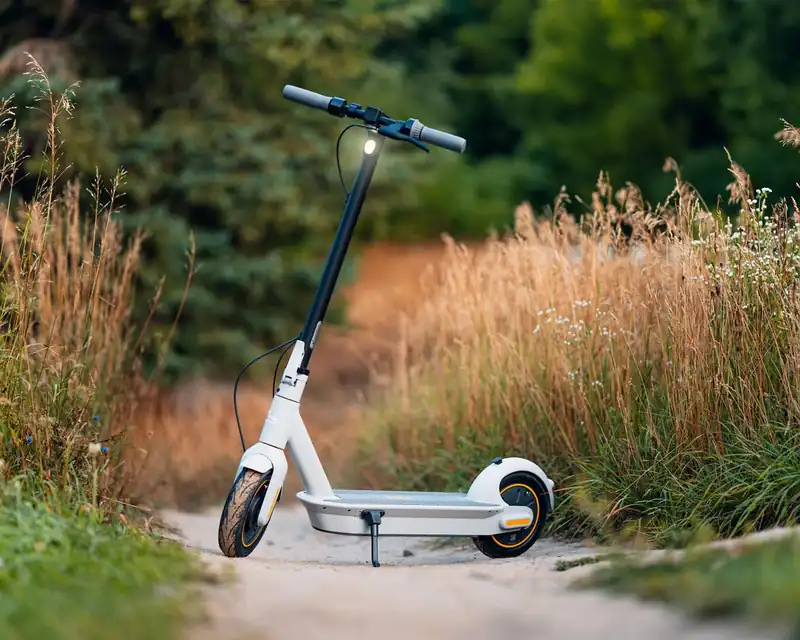
A plain-English 2026 guide to riding your budget DUDU 3 legally, covering speed caps, licenses, helmets, and where you can actually ride.
Is the DUDU 3 electric scooter legal in the United States? For most riders, the answer is yes. If your DUDU 3 tops out around 20 mph, runs a motor under 750 watts, and you ride it like a bike (in the bike lane and on slower streets), it is legal in the large majority of states. There is no federal ban on standing electric scooters, and as of 2026 no state bans them outright either.
But ‘legal’ comes with a few strings attached, and they can change the moment you cross a city or state line. Speed caps, age limits, helmet rules, and where you are allowed to ride are all set by state and local governments, not by the company that made your scooter. So a DUDU 3 that is perfectly fine on a Texas street could earn you a warning on a California sidewalk.
This guide breaks it all down in simple English: what the DUDU 3 actually is, the federal 750-watt rule of thumb everyone quotes, the state-by-state rules that really matter in 2026, where you can and cannot ride, and a short checklist to keep you on the right side of the law. Let’s roll.
The Quick Answer: Legal in Most States, With a Few Ifs
Here is the honest version. Your DUDU 3 is almost certainly legal to own and ride in your state. What decides whether it is legal on a specific street comes down to two things: what the scooter is (its top speed and motor power) and how you ride it (where, how fast, and at what age). Get both right and you are good to go in nearly every corner of the country.
Most states quietly follow the same rough template. They treat a standing e-scooter a lot like a bicycle, as long as it cannot blow past about 20 mph and its motor stays under 750 watts. Stay inside those numbers, follow your local speed limit, use lights after dark, and skip the sidewalk where it is banned, and you will rarely have a problem. Push past them, say by unlocking a faster top speed, and your scooter can suddenly be treated like a moped or motor vehicle, which drags licenses, registration, and insurance into the picture.
- Your DUDU 3 tops out under about 20 mph.
- Its motor is under 750 watts.
- You are at least 16 (the most common minimum age).
- You ride in the bike lane or on slower streets, not the sidewalk.
- You use lights at night and obey your local speed cap.
| Spec | DUDU 3 (as advertised) | Typical U.S. limit | Usually legal? |
|---|---|---|---|
| Top speed | ~15-20 mph | 15-20 mph cap | Yes, if capped to local limit |
| Motor power | ~350-500W | Under 750W (e-bike benchmark) | Yes |
| Weight | ~30-40 lb | No weight limit | Yes |
| UL 2272 safety cert | Often not certified | Voluntary, but required by some cities/campuses | Check your unit |
| Lights | Basic front LED | Front + rear light/reflector at night | Add rear light if missing |
| Rider age | Any (no limiter) | Usually 16+ | Rider must meet age rule |
What Exactly Is the DUDU 3?
The DUDU 3 is a budget, foldable, standing electric scooter, the kind of affordable commuter you tend to find on marketplace listings rather than in a big-box store. ‘DUDU’ is a value-focused import brand (you will also see similar DUDU-badged scooters and e-mopeds sold overseas), and the ‘3’ simply marks the model. It is built for short city hops: fold it, carry it, charge it, repeat.
Because it is a budget import, exact specs vary from listing to listing, but these scooters typically advertise a top speed in the 15 to 20 mph range and a motor around 350 to 500 watts, running off a 36V battery with roughly 15 to 20 miles of range. Those numbers matter more than they look. They are exactly what decides whether your scooter counts as a bicycle-like device or something heavier in the eyes of the law.
The one spec people forget to check is safety certification. Confirm whether your DUDU 3 is UL 2272 certified, and read the label on the stem rather than trusting the sales photo. If the numbers on your actual scooter line up with the ‘under 750W, under 20 mph’ benchmark, you have cleared the biggest legal hurdle before you even leave the driveway.
Top speed and motor power
Most budget DUDU-style commuters advertise 15 to 20 mph and a 350 to 500W motor. That keeps them under the 750W/20 mph line most states use, which is the single biggest factor in whether yours is legal.
The UL 2272 question
Many cheap imports skip UL 2272 battery certification. It is not required to ride in most states, but some cities, campuses, and apartments require it before you can store or charge the scooter indoors.
Check your model, not the ad
Listings for ‘DUDU 3’ scooters vary a lot, and specs can be optimistic. Read the plate on the stem or the manual to confirm your exact top speed and wattage before you rely on them.
Federal Law: The 750W and 20 MPH Rule of Thumb
Here is where a lot of online guides get it slightly wrong, so let’s be clear. There is no federal law that specifically makes a standing electric scooter ‘street legal,’ and there is no federal law that bans one either. The famous ‘750 watts and under 20 mph’ figure people quote actually comes from the federal definition of a low-speed electric bicycle (15 U.S.C. section 2085). It was written for e-bikes, not scooters.
So why does everyone use it for scooters too? Because most states borrowed the same numbers when they wrote their own scooter laws. It became the unofficial ‘is this a bike or a moped?’ dividing line. Stay under 750W and 20 mph and you are almost always treated like a bicycle. Go over it and you drift toward moped and motor-vehicle territory, with all the paperwork that follows.
What the federal government does care about is product safety. The Consumer Product Safety Commission (CPSC) regulates scooters as consumer products, and the key voluntary standard is UL 2272, which tests the battery and charging system for fire and electrical faults. A scooter that cannot hit 20 mph also is not a ‘motor vehicle’ under federal safety standards. Translation: Washington handles whether your scooter is safe to sell, while your state and city handle whether it is legal on the road.
State and City Rules: Where the Real Limits Live
This is where the real rules live. As of 2026, you can legally ride a private e-scooter in roughly 48 states, and there are no outright statewide bans left. Pennsylvania dropped its ban in late 2024 and Delaware reversed course in late 2025. A couple of states still do not clearly spell out rules for privately owned scooters on public roads, which is a gray area rather than a hard ‘no.’
The details are where states differ. Most cap scooter speed somewhere between 15 and 20 mph, no matter how fast the scooter can actually go. The most common minimum age is 16. Registration is almost never required. Only a small group of states asks for a driver license or permit, with California the big one, along with a few like Massachusetts, Missouri, Kansas, Maine, and Arkansas. Helmets are typically required for younger riders (often under 16 or 18) and optional for adults.
Cities add another layer on top. A state might allow sidewalk riding while its largest city bans it, or set a 20 mph cap that a downtown zone drops to 8 mph. The table below shows how eight popular states line up, but always treat your city’s ordinance as the final word. In states like Texas and Arizona, ‘usually yes’ on sidewalks really means ‘unless your city says otherwise.’
- Speed cap: usually 15 to 20 mph, sometimes lower in downtown zones.
- License: not required in most states; a few (like California) are the exception.
- Registration and plates: almost never required for a sub-20-mph scooter.
- Insurance: generally not required unless your scooter exceeds moped limits.
- Age: 16 is the most common minimum, though some states allow 14 or 15.
Where You Can (and Can’t) Ride Your DUDU 3
Once your DUDU 3 is legal to own, the next question is where you can actually point it. The simple hierarchy most riders follow is bike lane first, quiet street second, and sidewalk almost never.
Bike lanes are your safest and most widely legal option. Nearly every state that allows scooters allows them there. Roads posted around 25 to 35 mph are usually fair game too, as long as you ride with the flow of traffic and stay to the right. Multi-use and park paths are often allowed, but this is very local, so check posted signs. Sidewalks are where people get tickets: many states and almost every downtown ban scooter riding on them to protect pedestrians.
A few places are simply off-limits, full stop. You cannot legally ride an e-scooter on a highway or interstate anywhere in the U.S. And private property, including campuses, malls, apartment complexes, and HOAs, runs by its own rulebook, which can be stricter than city law. When in doubt, ask, or stick to the bike lane.
How to Keep Your DUDU 3 Street Legal
Keeping your DUDU 3 street legal is not complicated. It is mostly a handful of one-time setup steps plus a couple of habits. Start with the scooter itself: confirm on the spec plate or in the manual that it is under 750 watts and tops out under 20 mph. That single fact is what keeps it classified as a bicycle-like device instead of a moped.
Next, set it up to match your area. If your controller or app has speed modes, lock it to your local cap. Add a front headlight and a rear light or reflector, since many states legally require them after dark. Wear a helmet, and require one for any rider under 18. Then spend five minutes reading your city’s ordinance so you know the sidewalk and path rules before you are mid-ride.
Set it up once
Confirm your scooter is sub-750W and sub-20-mph, lock the speed mode to your local cap, and add front and rear lights so you meet night-riding rules.
Ride it right every time
Stay in the bike lane, obey the local speed cap, skip banned sidewalks, wear a helmet, and never modify the scooter to go faster than about 20 mph.
DUDU 3 vs. a Proven Street-Legal Commuter
None of this means the DUDU 3 is a bad choice. A cheap folding scooter can be a genuinely handy way to cover a mile or two. But budget imports come with trade-offs worth knowing before you buy or rely on one. The specs printed on the listing are not always what you get. Many are not UL 2272 certified, which matters if you need to store or charge indoors. And support, spare parts, and warranty help can be hard to find when a no-name brand disappears.
If you want the legal side to be simple, with a known top speed that sits inside state caps, a certified battery you can trust indoors, and a company that is still around next year, a proven name-brand commuter is worth the small step up in price. It removes the guesswork about whether your scooter is compliant and safe, which is the whole point of this guide.
Our pick for riders who want ‘legal and easy’ out of the box is the Hiboy S2 Pro. It caps at 19 mph, right at the legal line in most states, is UL 2272 certified, and folds small enough to carry indoors. It is the compliance-friendly upgrade a lot of DUDU 3 shoppers end up wishing they had started with.
| State | Speed cap | License? | Min age | Helmet | Sidewalk |
|---|---|---|---|---|---|
| California | 15 mph | Yes | 16 | Under 18 | No |
| New York (NYC) | 15 mph | No | 16 | Under 18 | No |
| Texas | City-set | No | Not set | Local rules | Usually yes |
| Florida | 20 mph | No | 16 | Under 16 | Local rules |
| Colorado | 20 mph | No | 16 | Not required | Local rules |
| Washington (Seattle) | 15 mph | No | 16 | Local rules | No |
| Georgia | 20 mph | No | 15 | Under 16 | No |
| Arizona | 20 mph | No | 16 | Not required | Usually yes |
| Location | Generally allowed? | Notes |
|---|---|---|
| Bike lanes | Yes | The safest and most widely legal spot |
| Streets posted 25-35 mph | Usually | Ride with traffic, not against it |
| Multi-use / bike paths | Often | Depends on city and park rules |
| Sidewalks | Often no | Banned in many states and most downtowns |
| Highways / interstates | No | Never legal on an e-scooter |
| Private property / campus | Owner’s call | HOAs, schools, and malls set their own rules |
Common Mistakes (and How to Fix Them)
Fix: Even license-free states still set speed caps, age limits, and where you can ride. Read your state’s e-scooter statute and your city’s ordinance before your first ride.
Fix: Modding a DUDU 3 to beat 20 mph can legally turn it into a moped or motor vehicle, which then needs a license, plate, and insurance. Keep it capped to your local limit.
Fix: Sidewalk riding is banned in many states and nearly every downtown. Use the bike lane or the road edge, and treat the sidewalk as off-limits unless a sign says otherwise.
Fix: Cheap, uncertified batteries are the main fire risk with budget scooters. Charge on a hard surface, never overnight unattended, and consider a UL-2272-certified model for indoor storage.
Pro Tips
- 💡 Screenshot your city’s e-scooter ordinance and keep it on your phone. Rules differ block to block, and you can settle a dispute on the spot.
- 💡 Set your DUDU 3’s speed mode to match your local cap. Most controllers have a low or eco mode that keeps you legal without thinking about it.
- 💡 Add a bright rear light and wheel reflectors. Many states legally require a rear light or reflector after dark, and it is cheap insurance against both a ticket and a crash.
- 💡 Wear a helmet even where adults are exempt. Head injuries are the most common serious scooter injury, and a helmet is never illegal.
- 💡 Keep your receipt and spec sheet. If an officer asks, being able to show your scooter is under 750W and 20 mph settles the ‘is this a moped?’ question fast.
A Real-Life Example
Marcus bought a DUDU 3 to skip the parking hassle on his two-mile ride to work in Austin. For weeks it was perfect: bike lane in, bike lane out. Then he visited his sister in Santa Monica, hopped on the sidewalk out of habit, and got a friendly-but-firm warning from a patrol officer. Same scooter, different city, different rules.
The fix took five minutes. He looked up California’s rules, learned it caps scooters at 15 mph and bans sidewalk riding, switched his DUDU 3 into its lower speed mode, and stuck to the road. No ticket, no drama. The lesson he passes on: the scooter was never the problem, knowing the local rules was.
Frequently Asked Questions
In practice, yes. You can legally ride a DUDU 3 in the large majority of states, and as of 2026 no state bans private e-scooters outright. A couple of states still do not clearly authorize them on public roads, so the safest move is to check your own state’s e-scooter statute and your city’s ordinance before you ride.
Usually not. Most states treat a sub-20-mph, sub-750W scooter like a bicycle, so there is no license, plate, or registration. A handful of states, with California the most notable, plus a few like Massachusetts, Missouri, Kansas, Maine, and Arkansas, do ask for a driver license or permit, so confirm your state’s rule.
Often no. Sidewalk riding is banned in many states and in nearly every downtown business district, including New York City and cities across California. Where it is allowed, you must slow down and yield to people on foot. Bike lanes and slower streets are almost always the legal and safer choice.
Most DUDU 3 listings advertise a top speed in the 15 to 20 mph range, which lines up with the 15 to 20 mph caps most states use, so it is legal in the majority of places. Problems start only if you modify the scooter to exceed about 20 mph, which can reclassify it as a moped and trigger license and insurance rules.
Almost never for a standard e-scooter. Because it stays under the moped and motor-vehicle threshold, most states do not require insurance. That changes if you soup it up past 20 mph. Some riders still add coverage through a rider or umbrella policy for peace of mind, but it is optional in most places.
It depends on your state. The most common minimum age is 16, though some states set it at 14 or 15 and others do not specify one at all. Georgia, for example, allows riders as young as 15. Check your state’s minimum age, and require a helmet for any rider under 18, which is the rule in most places and simply smart everywhere.
Final Checklist ✅
- ✅ Find your DUDU 3’s top speed and motor wattage on the spec plate or manual, and confirm it is under 20 mph and 750W.
- ✅ Look up your state’s e-scooter speed cap, minimum age, and license rule.
- ✅ Check your city ordinance for sidewalk, bike-path, and downtown restrictions.
- ✅ Confirm UL 2272 certification, or commit to safe charging habits if yours is not certified.
- ✅ Install a front headlight and a rear light or reflector for night riding.
- ✅ Wear a helmet, and require one for any rider under 18.
- ✅ Save your receipt and spec sheet as proof your scooter is under the moped threshold.