Running costs, speed, range, and the hidden paperwork nobody warns you about. Here's how a battery ride really stacks up against a gas scooter in 2026.
Choosing between an electric vs petrol scooter comes down to a few honest questions. How far do you ride each day? How much do you want to spend? And how much fuss can you live with? Both types will get you across town in style. But they feel very different in your wallet, in your garage, and out on the road.
A petrol scooter (called a gas scooter in the US) runs on a small engine, usually 50cc to 150cc. It refuels in two minutes and loves a longer ride. An electric scooter runs on a battery and motor instead. It’s far cheaper to run, whisper quiet, and needs almost no maintenance. The trade-off is that you have to plan around charging and range.
This guide breaks down the real differences in plain English, using 2026 prices and running costs. By the end, you’ll know exactly which ride is the smarter buy for your commute, your budget, and your peace of mind.
Electric vs Petrol Scooter: The Quick Answer
Short on time? Here’s the honest split. For most people who ride short daily trips around a city, an electric scooter is the smarter buy in 2026. It costs pennies per mile, barely needs servicing, and you charge it at home while you sleep. No gas stations, no oil changes, and no engine noise waking the neighbors.
A petrol scooter still earns its place, though. If you ride long distances, live somewhere rural, can’t charge at home, or want highway-friendly speed, a gas scooter’s quick refueling and bigger range are genuinely hard to beat. It fills up in two minutes and keeps rolling for a hundred miles or more.
So the real question isn’t which one is better overall. It’s which one is better for you. Below, we line them up on cost, speed, range, upkeep, and the paperwork most sellers forget to mention.
- Pick electric if: your daily round trip is under 30 miles, you can charge at home, and you want the lowest running cost.
- Pick petrol if: you ride long or rural routes, need 45+ mph, or have no easy way to plug in.
- Still unsure? Most everyday city riders end up happiest with electric and save money doing it.
| Category | Petrol Scooter | Electric Scooter | Winner |
|---|---|---|---|
| Upfront price | $2,000 – $6,000 | $500 – $4,000 | Depends |
| Running cost per mile | 3 – 6 cents (fuel) | 0.5 – 4 cents (electricity) | Electric |
| Top speed | 30 – 60 mph | 15 – 50 mph | Petrol |
| Range per fill / charge | 100 – 165 miles | 15 – 70 miles | Petrol |
| Refuel / recharge time | About 2 minutes | 4 – 6 hours | Petrol |
| Maintenance | Frequent, ongoing | Minimal | Electric |
| Noise | Loud engine | Near silent | Electric |
| Tailpipe emissions | Yes | Zero | Electric |
| License / registration | Usually required | Often not (standing) | Electric |
What Counts as a Petrol Scooter vs an Electric Scooter?
Before we compare, let’s clear up a word that trips people up. “Electric scooter” can mean two very different machines, and knowing which one you want changes everything.
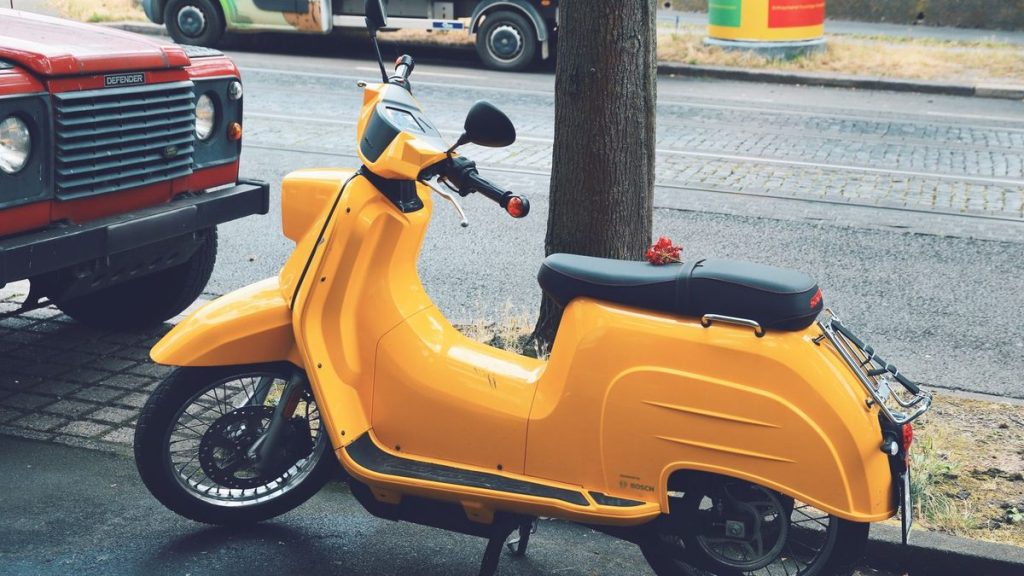
A petrol scooter is the classic seated moped with a small gas engine, usually 50cc to 150cc. Think Honda Metropolitan, Yamaha Vino, or Vespa Primavera. You sit down, twist the throttle, and it needs a license plate and registration in most places.
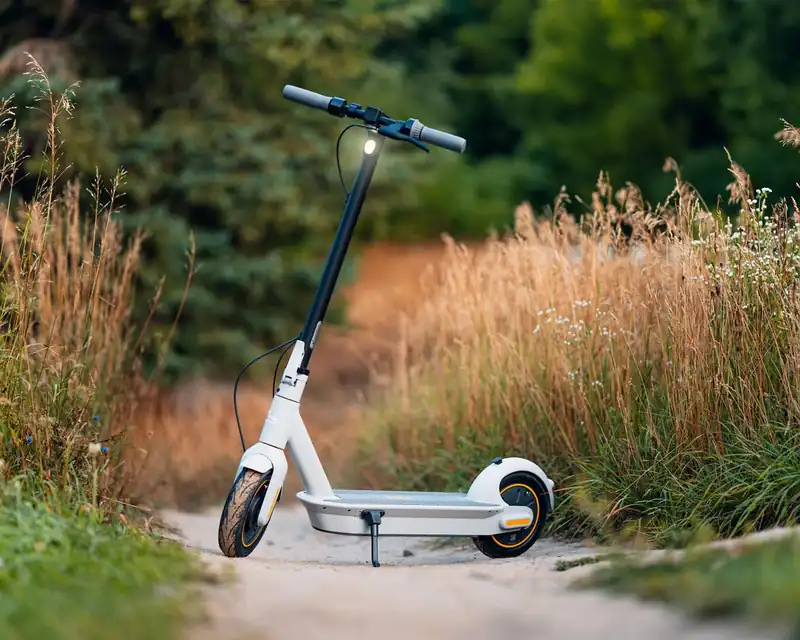
On the electric side, there are two flavors. First are standing electric scooters, the fold-up kick scooters like the Segway Ninebot MAX G2 or NIU KQi. You stand and ride, they weigh 30 to 55 pounds, and in most US states they don’t need a plate. Second are seated electric mopeds, such as the NIU NQi, which are battery versions of a classic scooter and go head-to-head with petrol on speed and looks.
For daily city commuting, the standing electric scooter is the one that quietly replaces a short gas-scooter run for a fraction of the price. For faster, longer rides, a seated electric moped is the closer match. We’ll compare all of them so you can see where each fits.
- Petrol scooters: seated 50cc to 150cc gas mopeds (Honda Metropolitan, Yamaha Vino, Vespa Primavera). Plate and registration required.
- Standing electric scooters: fold-up kick scooters (Segway Ninebot MAX G2, NIU KQi). Usually no plate, ideal for short commutes.
- Seated electric mopeds: battery-powered classic scooters (NIU NQi). The true rival to a petrol scooter on speed and range.
Running Costs: Where Electric Pulls Ahead
This is the category electric wins in a landslide, and it’s the number one reason riders switch. Fuel versus electricity isn’t close.
A fuel-sipping 50cc petrol scooter gets around 90 to 120 miles per gallon, which sounds fantastic until you do the math on a year of riding. At roughly $3.50 a gallon in 2026, that works out to about 3 to 5 cents per mile in gas alone. Bigger 150cc scooters drink more, closer to 70 mpg. An electric scooter, by contrast, sips electricity at the US average of about 16 to 17 cents per kWh. A full charge on a commuter scooter costs well under 50 cents, and often just a dime or two. That’s roughly half a cent to 4 cents per mile.
Put it over a year and the gap is real. Ride 5,000 miles and a thrifty 50cc scooter burns about $175 in gas, before a single oil change. The same 5,000 miles on an electric scooter cost roughly $15 to $50 in electricity. Then add servicing: petrol scooters need oil, filters, spark plugs, and belts every year, while electric scooters need almost nothing. Over five years, that difference alone can pay for the scooter.
Upfront Price, Registration & Insurance
Petrol scooters usually cost less to run but more to buy, and the extra paperwork catches people off guard. Let’s look at both sides of the sticker.
New gas scooters aren’t cheap in 2026. A Honda Metropolitan 50cc starts around $2,499, and a Vespa Primavera runs from about $4,699 for the 50cc up to $5,799 for the 150cc. Standing electric scooters undercut all of them: a top commuter like the Segway Ninebot MAX G2 lands near $900, and plenty of solid NIU KQi models sit between $500 and $900. Seated electric mopeds like the NIU NQi cost more, around $3,000 and up, but still compete with a mid-range Vespa.
Then there’s the fine print. A petrol scooter almost always needs registration, a license plate, and often a motorcycle or moped license plus insurance, depending on engine size and your state. Seated electric mopeds usually need the same. Standing electric scooters, in most US states, need none of that, which quietly saves you hundreds of dollars a year.
The sticker price
Standing electric scooters are the cheapest way in, often $500 to $900. Gas scooters run $2,000 to $6,000 new, and seated electric mopeds sit in the middle at around $3,000 and up.
The paperwork nobody mentions
Registration, plates, a license, and insurance add real yearly cost to any petrol scooter or seated e-moped. Standing electric scooters usually skip all of it, but always confirm your local rules first.
Speed, Range & Real-World Performance
Here’s where petrol pushes back. On raw speed and distance between stops, gas still has the edge, and for some riders that settles the whole debate.
A 50cc petrol scooter tops out around 30 to 40 mph, a 125cc reaches roughly 50 mph, and a 150cc like the Vespa Primavera 150 will hit close to 60 mph. On range, gas is the clear champ. A small tank of 1.2 to 1.5 gallons carries you 100 to 165 miles, and refilling takes two minutes. Standing electric scooters are slower and shorter-legged: expect 15 to 25 mph and a real-world 15 to 45 miles per charge, with a 4 to 6 hour recharge. Seated electric mopeds close the gap, with models like the NIU NQi GTS reaching around 50 mph and up to 70 miles of range.
Two things to remember about electric range. First, the advertised number is a best case; plan for 20 to 30 percent less in the real world. Second, cold weather, hills, and heavier riders all shrink range further. The upside? Electric motors deliver instant torque, so they often feel punchier off the line than a small gas engine, even when the top speed is lower.
Maintenance & Reliability
If you hate wrenching and workshop bills, electric is a breath of fresh air. A petrol engine has hundreds of moving parts, and every one is something that can wear out or need a tune-up. An electric drivetrain has a motor, a battery, and a controller, and that’s basically it.
On a gas scooter, plan for regular oil changes every 1,000 to 2,000 miles, plus spark plugs, air filters, a drive belt, valve checks, and the occasional carburetor or fuel-injector clean. None of that is hard, but it adds up to $150 to $400 a year at a shop. Electric scooters skip all of it. You’ll replace brake pads and tires as they wear, keep the firmware updated, and look after the battery. That’s it.
The one wear item to respect on electric is the battery. A quality lithium pack lasts roughly 500 to 1,000 charge cycles, or about 3 to 5 years of daily use, before range starts to fade. Replacing it isn’t free, so it’s worth factoring in. Even so, most riders find the total upkeep on electric is a fraction of what a petrol scooter demands.
- Petrol upkeep: engine oil, spark plugs, air filter, drive belt, valve checks, carburetor or injector cleaning, coolant.
- Electric upkeep: brake pads, tires, occasional firmware updates, and basic battery care.
- Fewer moving parts on electric means fewer surprise repair bills over the years.
Which Should You Buy? By Rider Type
Still on the fence? The best choice depends less on which machine is “better” and more on how you actually ride. Find yourself below.
For most readers of this site, a standing electric commuter scooter is the sweet spot: cheap to buy, cheap to run, and no plate to worry about. But petrol and seated e-mopeds keep a loyal following for good reasons, so match the ride to your real life, not the hype.
The short-hop city commuter
Go electric, and go standing. A commuter like the Segway Ninebot MAX G2 covers a typical daily round trip on one cheap overnight charge, folds up to carry inside, and needs almost no maintenance.
The long-distance or rural rider
Petrol still wins here, or a fast seated e-moped. When you routinely ride 40+ miles or need 50 mph, two-minute refueling and a big tank beat waiting hours to recharge.
The budget-first buyer
Electric usually wins over time. A standing scooter costs less up front and far less to run, so the five-year total is lower even when a gas scooter’s sticker looks tempting.
The quiet, green-minded rider
Electric, no contest. Zero tailpipe emissions, near-silent running, and no gas smell in your garage make it the easy pick for city living and early mornings.
| Cost factor | Petrol Scooter (50-150cc) | Electric Scooter |
|---|---|---|
| Energy per mile | ~3 – 6 cents (gas) | ~0.5 – 4 cents (electricity) |
| One fill-up / full charge | $5 – $8 per tank | $0.10 – $0.50 per charge |
| Annual energy (5,000 miles) | ~$150 – $250 in gas | ~$15 – $50 in electricity |
| Oil changes | Every 1,000 – 2,000 miles | None |
| Routine service | $150 – $400 per year | ~$0 – $100 per year |
| Refuel / recharge time | About 2 minutes | 4 – 6 hours |
| Model | Type | Top Speed | Range | Price (2026) |
|---|---|---|---|---|
| Honda Metropolitan | Petrol 49cc | ~40 mph | 100+ mi per tank | ~$2,499 |
| Vespa Primavera 50 | Petrol 50cc | ~40 mph | 100+ mi per tank | ~$4,699 |
| Vespa Primavera 150 | Petrol 150cc | ~59 mph | 100+ mi per tank | ~$5,799 |
| Segway Ninebot MAX G2 | Electric (standing) | 22 mph | Up to 43 mi | ~$900 |
| NIU KQi 300 series | Electric (standing) | ~20 mph | ~25 – 40 mi | ~$700 – $900 |
| NIU NQi GTS | Electric moped | ~50 mph | Up to 70 mi | ~$3,000+ |
Common Mistakes (and How to Fix Them)
Fix: Add fuel, oil, servicing, registration, and insurance across five years. A cheap gas scooter often costs more to keep on the road than a pricier electric one that sips electricity and skips the shop.
Fix: Match the scooter to your actual commute. Most riders never use a 150cc top speed or a 60-mile range day to day, yet you pay for both up front and at the pump.
Fix: Check whether your ride needs a plate, license, or insurance before you buy. Petrol and seated e-moped rules differ from standing-scooter rules by state and even by city.
Fix: If you can’t charge at home or work, electric loses much of its convenience. Confirm you have a safe, reachable outlet before you commit to a battery ride.
Pro Tips
- 💡 Charge overnight like your phone. Off-peak electricity is cheapest, and you’ll roll out to a full battery every single day.
- 💡 Buy for your longest regular trip, not your average one, so range anxiety never leaves you pushing a dead scooter home.
- 💡 If you want petrol-like speed without the gas station, look at seated electric mopeds like the NIU NQi instead of a standing scooter.
- 💡 Keep your tires properly inflated. It boosts range on electric and mpg on petrol, and it makes every ride smoother.
- 💡 In extreme heat or cold, store lithium batteries between 20 and 80 percent charge to protect their long-term range.
A Real-Life Example
Take Marcus, who used to ride a 150cc gas scooter for his 8-mile hop to work in Austin. He loved the speed but hated the $60 or $70 he kept dropping every few weeks on gas, an oil change, and a surprise drive-belt replacement. Last year he switched to a Segway Ninebot MAX G2. Now he charges it overnight for about a dime, parks it inside his office, and hasn’t seen a gas station in months.
His only real gripe? He misses the highway-legal speed on weekend rides, so he kept the old gas scooter for those. That’s the pattern we hear again and again. Electric wins the daily grind; petrol keeps its edge for the long, fast, once-in-a-while trip. Plenty of riders end up happiest with electric as their everyday ride.
Frequently Asked Questions
Yes, for most riders an electric scooter is cheaper to own over time. Even when it costs more up front, the running cost is a fraction of petrol, and there are almost no service bills. Ride 5,000 miles a year and you might spend $15 to $50 on electricity versus $175-plus on gas alone, before oil changes and belts. Over five years, those savings often cover the price of the scooter.
For most city commutes under about 30 miles a day, yes. A good commuter electric scooter handles the round trip on one overnight charge, costs pennies to run, and skips the gas station entirely. The catch is speed and long-distance range. If you regularly ride 40-plus miles or need to keep up with 45 mph traffic, a petrol scooter or a fast seated e-moped is the safer fit.
Petrol scooters usually win on top speed, especially 125cc and 150cc models that reach 50 to 60 mph. Standing electric scooters top out lower, around 15 to 25 mph. That said, electric motors deliver instant torque, so they often feel quicker off the line in stop-and-go city traffic. Seated electric mopeds like the NIU NQi close the gap and hit around 50 mph.
It depends on the type and your state. Standing electric scooters usually don’t need a plate, license, or insurance in most US states. Seated electric mopeds and all petrol scooters typically do, just like a small motorcycle. Rules vary a lot by state and even by city, so always check your local DMV before you buy.
Most commuter electric scooters travel 15 to 45 miles per charge, with premium models like the Segway Ninebot MAX G2 claiming up to 43. Plan for 20 to 30 percent less than the advertised figure in real riding. Cold weather, hills, heavier riders, and higher speeds all shrink range, so buy with a comfortable buffer over your daily distance.
A quality electric scooter lasts for years, but the battery is the wear item. Expect roughly 500 to 1,000 charge cycles, or about 3 to 5 years of daily use, before range noticeably fades. A well-maintained petrol engine can run longer, but only if you keep up with oil, belts, and tune-ups. Factor a possible battery replacement into the electric side, and ongoing service into the petrol side.
Final Checklist ✅
- ✅ Measure your real daily round-trip distance in miles.
- ✅ Add a 20 to 30 percent buffer for cold, hills, and headwind.
- ✅ Confirm exactly where and when you’ll charge or refuel.
- ✅ Look up your state’s e-scooter and moped laws before buying.
- ✅ Compare the total five-year cost, not just the sticker price.
- ✅ Check the max rider weight and hill-climbing rating.
- ✅ Budget for a helmet, a lock, and insurance if it’s required.