From red lights and weird beeps to dead batteries and wobbly rides — fix the most common hoverboard problems at home with simple steps anyone can follow.
Key Takeaways
- Most hoverboard problems trace back to four things: the battery, the charger, the gyroscope, or calibration.
- Recalibrating fixes wobble, drift, and one-side-tilting issues about 70% of the time.
- A flashing red light is a warning code, not random — counting the flashes tells you what’s wrong.
- Always check that your hoverboard is UL 2272 certified before troubleshooting battery or charger issues.
- Replacing a battery or charger is fine. Opening up the motherboard without experience usually makes things worse.
- If your board swells, smells like burning plastic, or gets very hot, stop using it right away.
If your hoverboard suddenly stopped working, started beeping like a smoke alarm, or won’t go more than ten feet without tilting sideways, you’re in the right place. Hoverboard problems and solutions tend to follow a pretty predictable pattern, and most of them you can fix at home with nothing more than a screwdriver, ten minutes, and a little patience.
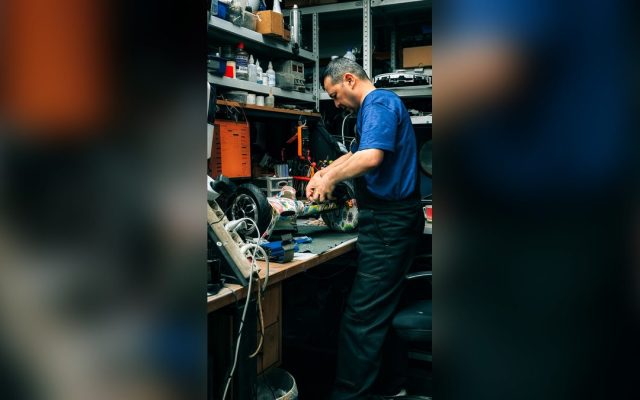
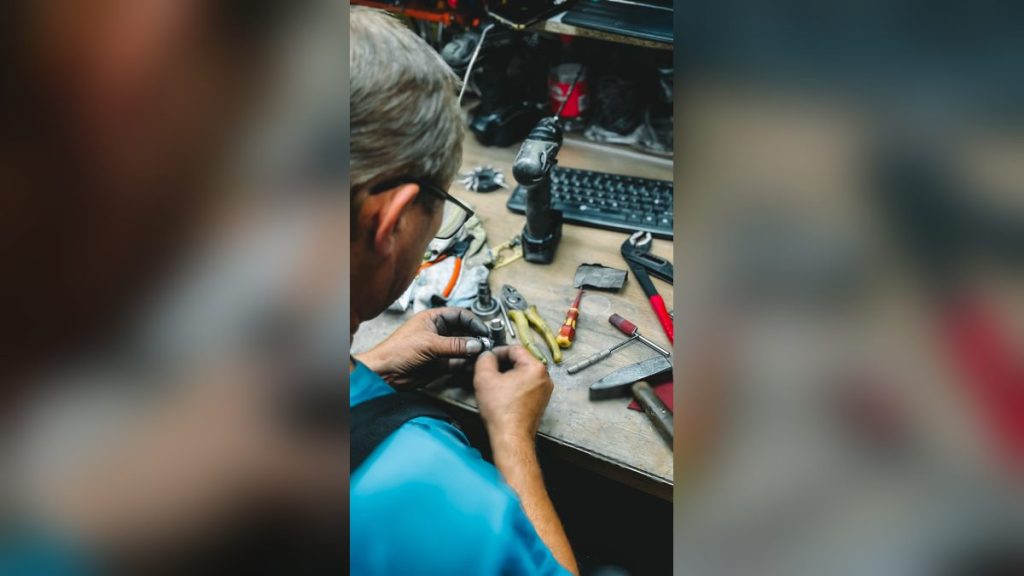
I’ve spent years repairing personal electric vehicles, and I can tell you that 90% of the boards people throw away or send back are actually still fixable. The trouble is, most riders don’t know what the flashing lights mean, which beeps are normal, or how to bring a “dead” battery back to life. This guide walks you through everything in plain English — no engineering degree needed.
By the end, you’ll know how to diagnose your hoverboard like a pro, fix the most common issues yourself, and figure out when it’s actually time to call it. Let’s get into it.
Quick Answer: Most hoverboard problems are caused by a faulty battery, a bad charger, a misaligned gyroscope sensor, or calibration that’s gone off. Recalibrating, swapping the charger, replacing a single sensor board, or ordering a new battery pack solves the majority of issues for under $50 and about 30 minutes of work.
What You’ll Find in This Guide
- Charging and Power Problems
- Battery Issues and How to Bring One Back to Life
- Calibration Problems (Tilting, Drifting, Wobbling)
- Flashing Red Lights and Beeping Codes
- Motor and Wheel Problems
- Bluetooth, Speakers, and App Issues
- Speed, Range, and Performance Drops
- Common Mistakes (and How to Fix Them)
- Pro Tips From a Repair Bench
- Frequently Asked Questions
- Final Troubleshooting Checklist
1. Charging and Power Problems
Charging issues are the number one reason riders think their hoverboard is dead. Good news: most of the time, the board is fine — the charger is the problem. Hoverboard chargers are cheap, weak little bricks, and they fail faster than the boards themselves.
Hoverboard Won’t Turn On at All
Before you panic, plug in the charger and look at the little light on the brick. Green means the charger thinks the battery is full. Red means it’s charging. If it stays green even though your board is dead, the charger is lying — it’s not actually pushing power through.
Try this:
- Test with a known-good charger from a friend’s board (same voltage, usually 42V).
- Inspect the charging port on the hoverboard for bent pins, dust, or melted plastic.
- Hold the power button for 30 seconds with no charger plugged in. This resets some boards.
- If the board has been sitting for months, do a slow recovery charge — leave it plugged in for 24 hours straight.
If you ride a popular model like the Hover-1 Sypher Hoverboard, replacement chargers are easy to find. Check price on Amazon for matching 42V 2A chargers — just make sure the connector type matches your old one.
Charger Light Stays Red Forever
If your charger light has been red for more than 6 hours, something’s stuck. Either the battery has a bad cell that won’t hit full voltage, or the charger itself is failing under load. Unplug it, let everything cool for an hour, and try again. If it’s still red after a full overnight charge, it’s almost always a battery management system fault — and that means a new battery pack.
2. Battery Issues and How to Bring One Back to Life
Hoverboard batteries are lithium-ion packs, usually 36V or 42V, made of small cells wired in series. They’re sturdy when treated right and dramatic when they’re not. The good news is that most “dead” batteries aren’t dead — they’re just locked by the safety circuit.
Signs Your Battery Is Failing
- Range drops sharply — you used to get 8 miles, now you get 2.
- The board powers off suddenly at 60% or 70%.
- Battery feels warm or swollen after a normal ride.
- You hear a fast continuous beep the moment you step on it.
- It charges to “full” in 20 minutes, when it used to take 2 hours.
Reviving a Battery That Won’t Charge
Here’s a trick that works surprisingly often. If your battery has dropped below the BMS cutoff voltage (usually around 30V), the charger sees it as “broken” and refuses to push current. To wake it up:
- Turn the hoverboard on, even though the battery is dead.
- Plug in the charger while the board is on. Some BMS units only accept a charge when the circuit is “alive.”
- Leave it for 10 minutes. If you see the red charging light, success — let it finish a full cycle.
- If still nothing, unplug, wait 30 minutes, repeat once.
If that doesn’t work, the cells inside are probably too far gone. A replacement 36V 4.4Ah pack runs about $35 to $60 and takes around 20 minutes to swap with four screws and two connectors.
3. Calibration Problems: Tilting, Drifting, Wobbling
If your hoverboard pulls to one side, vibrates under your feet, or feels like it’s fighting you, the gyroscope sensors are out of sync. This is the single most common hoverboard problem — and the easiest one to fix. It takes about 60 seconds.
How to Recalibrate Any Hoverboard (Universal Method)
- Turn the hoverboard off.
- Place it on a completely flat, hard surface. A wood floor works. A rug or driveway does not.
- Make sure both footpads are perfectly level with each other — not tilted forward, back, or sideways.
- Press and hold the power button for 5 to 10 seconds. You’ll hear a beep and see the lights flash.
- Keep the board still. Don’t touch it while the lights flash. This usually lasts 10 to 30 seconds.
- When the flashing stops, press the power button again to turn it off.
- Turn it back on normally. The board is now recalibrated.
“After a year of ignoring my drifting hoverboard, I finally tried calibrating it on the kitchen floor. Took 30 seconds. Rides perfectly straight now. I feel like I owe my hoverboard an apology.” — A common Reddit comment in r/hoverboard
Still Wobbling After Calibration?
If recalibration didn’t fix it, the issue is mechanical, not electronic:
- Check that both wheels are tight — a loose wheel nut causes side-to-side wobble.
- Look at the tire surface for flat spots or cracks. Worn tires can’t grip evenly.
- Inspect the middle hinge. If your board has play or clicks when you twist the two halves, the central pivot mechanism is worn.
4. Flashing Red Lights and Beeping Codes
Hoverboards talk to you through their lights. Most people ignore the message and just keep pressing the power button. Don’t. Counting the flashes saves you a ton of guesswork.
Common Error Codes Decoded
Codes vary slightly between brands — Hover-1, Razor, Swagtron, and Gotrax all use different firmware — but this table covers about 80% of consumer boards on the market. View on Amazon for replacement gyroscope sensor boards if you’ve narrowed it down to one side.
5. Motor and Wheel Problems
If one wheel spins and the other doesn’t, or you hear a grinding noise that wasn’t there before, the issue is in the motor system. The motor itself rarely fails. What usually fails is the wiring or one of the small hall sensors inside the wheel hub that tell the controller how fast the wheel is turning.
Only One Wheel Works
This is one of the most reported hoverboard problems online. Here’s how to chase it down:
- Flip the board over and unscrew the bottom plate (usually 8 to 12 small screws).
- Find the motor cable from the dead wheel — it’s a thick bundle with a multi-pin connector.
- Unplug it and plug it back in firmly. Loose connections are the #1 cause.
- Swap the left and right motor cables on the motherboard. If the dead wheel now works on the other side, the motor is fine and the motherboard channel is dead. If the dead wheel still doesn’t work, the motor or its hall sensors are bad.
Grinding, Clicking, or Rubbing Noises
Grinding usually means a small rock or piece of debris has worked its way into the wheel arch. Pop the wheel cover off and clear it out. Clicking when you turn often means a worn hub bearing — fixable, but it requires opening the wheel itself, which is a more advanced repair.
6. Bluetooth, Speakers, and App Issues
Bluetooth and app problems are annoying but rarely serious. The Bluetooth chip lives on a small board separate from the main controller, and it’s often a 30-second fix.
Bluetooth Won’t Connect
- Forget the device on your phone, then re-pair from scratch. Old pairing data corrupts often.
- Make sure the hoverboard is not currently riding — many boards disable pairing while moving.
- Some boards only accept one paired device at a time. Disconnect from your friend’s phone first.
- Power-cycle the board: off for 60 seconds, then back on.
Companion App Won’t Find the Board
This is almost always a phone permissions issue. On iPhone and modern Android, hoverboard apps need Bluetooth permission AND location permission turned on — even if the app doesn’t seem location-related. Go into your phone’s settings, find the app, and enable both.
7. Speed, Range, and Performance Drops
If your hoverboard used to fly and now feels sluggish, you’re not imagining it. Several things slow a board down over time, and most of them are reversible.
Cold weather is a sneaky one. Lithium-ion cells can lose 30% of their capacity below 40°F. If your board feels weak in winter, it’s not broken — it’s just cold. Storing it indoors before riding makes a real difference.
8. Common Mistakes (and How to Fix Them)
Some of the worst hoverboard damage I see on my repair bench comes from owners trying to help. Here are the mistakes I’d love every rider to avoid.
Mistake 1: Leaving It Plugged In Overnight, Every Night
The fix: Charge to 100%, then unplug. Modern hoverboards have battery management systems, but constant trickle-charging still wears the cells down faster. Aim to keep your board between 20% and 80% for daily use.
Mistake 2: Storing It at 0% for Months
The fix: If you won’t ride for a few weeks, store the board at around 50% charge. A fully drained battery sitting in a closet is the #1 way to permanently kill it.
Mistake 3: Riding Through Puddles
The fix: Unless your hoverboard has a clear IP54 or higher rating, water gets into the battery compartment fast. Even “splash proof” boards aren’t designed for puddles deeper than a half inch. Dry it immediately if it gets wet, and don’t ride for 24 hours.
Mistake 4: Buying a Cheap Replacement Battery
The fix: Always look for batteries that are UL 2272 certified or built with name-brand cells (Samsung, LG, Panasonic). The $18 mystery pack on a marketplace is the #1 cause of hoverboard fires.
9. Pro Tips From a Repair Bench
A Real Story: The “Dead” Hoverboard That Just Needed a Walk
Last winter, a customer brought me a Hover-1 Sypher that had been sitting in a garage for 14 months. Wouldn’t power on. The kid was crushed — it had been a Christmas gift. I plugged the charger in, got nothing for ten minutes, then a faint red glow appeared. Twenty-four hours of slow charging later, the board woke up. One recalibration on my bench and it rode like new. Total parts cost: zero. Lesson: don’t give up on a “dead” board until you’ve tried a long, slow recovery charge.
10. Frequently Asked Questions
Why is my hoverboard beeping and flashing red?
A red light with steady beeping usually means low battery, an unbalanced board, or an internal sensor fault. Charge it fully, place it on a flat surface, and recalibrate. If the red light stays on after calibration, the gyroscope or motherboard may need service.
How do I recalibrate my hoverboard?
Place the hoverboard on a flat, level surface with both footpads perfectly even. Hold the power button for about 5 to 10 seconds until you hear a beep or see the lights flash. Wait until the lights stop flashing, then turn it off and on again.
Why won’t my hoverboard charge?
The most common reasons are a faulty charger, a loose charging port, a deeply drained battery, or a tripped battery management system. Test the charger with a multimeter, inspect the port for bent pins, and try a slow recovery charge by keeping it plugged in for up to 24 hours.
Why does only one wheel on my hoverboard spin?
Usually it is a disconnected motor cable, a damaged gyroscope under the non-working footpad, or a fault on the motherboard. Open the bottom plate carefully, reseat the cables, and check for cracked or burnt parts.
How long should a hoverboard battery last?
Most lithium-ion hoverboard batteries last 2 to 4 years or about 500 to 1000 charge cycles. Riding in cold weather, deep discharging, and leaving it at 0% storage can shorten that life significantly.
Is it safe to keep using a hoverboard that gets hot?
No. Stop using it immediately. Excess heat usually points to a failing battery, an overloaded motor, or a damaged controller. Continuing to ride risks a thermal event. Let it cool, inspect for swelling, and replace any UL 2272 non-compliant battery.
11. Final Troubleshooting Checklist
Run through this checklist before you give up on your hoverboard:
Gotrax Hoverboard — Fewer Problems, Better Support
Most hoverboard problems come from off-brand boards. Gotrax has real customer support and UL2272 certification.
80SIX Triple-Certified Multisport Helmet
Problems or not, always wear a helmet. Triple-certified for hoverboard and cycling.
Hoverboard Carrier Backpack
Transport your board hands-free. Fits 6.5″–10″ boards with padded shoulder straps.
- ☐ Tested with a known-good charger?
- ☐ Charging port clean, no bent pins?
- ☐ Tried a 24-hour slow recovery charge?
- ☐ Recalibrated on a flat, hard surface?
- ☐ Counted the red light flashes for an error code?
- ☐ Reseated motor and gyro cables under the bottom plate?
- ☐ Bluetooth re-paired from scratch with location permissions on?
- ☐ Battery still under 4 years old?
- ☐ Board UL 2272 certified?
- ☐ No swelling, burning smell, or excess heat?
If everything’s checked and it still won’t work, you’ve narrowed the issue down to either the motherboard or a fully failed battery — at which point a replacement board is usually more sensible than a repair.
Further Reading
Last Updated: May 2026 • Author: Daniel Cortez, PEV Technician
This article is for educational and troubleshooting purposes only. Always follow your manufacturer’s manual and local safety regulations. As an Amazon Associate, hoverboardsguide.com may earn from qualifying purchases through links on this page.