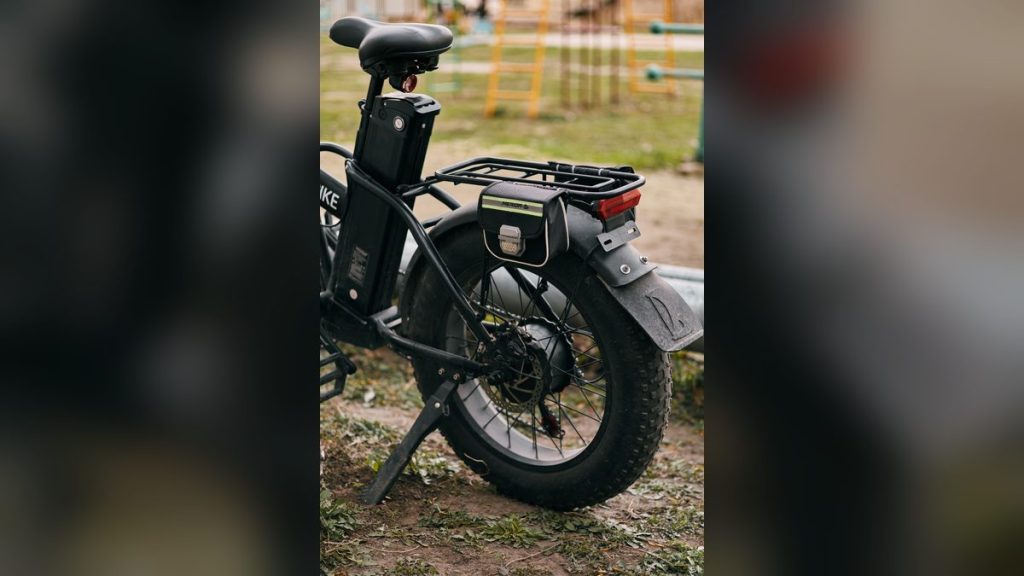
Hover-1 Instinct E-Bike Battery: The Honest 2026 Guide to Range, Replacement & Real-World Performance
Everything you wish someone had told you before buying, charging, or replacing the battery on your Hover-1 Instinct — based on Hover-1’s specs and owner experience.
This article is part of our guide to electric rideables, which covers electric unicycles, Onewheels, electric skateboards, kick scooters and mopeds.
Why Your Hover-1 Instinct Battery Matters More Than You Think
Let’s be honest — when most people buy an e-bike, they get pulled in by the frame, the color, or the top speed. The battery? It’s an afterthought. But here’s the truth: on the Hover-1 Instinct E-Bike, the battery is the ride. It decides how far you go, how fast you climb, how long the bike lasts, and whether you trust it parked next to your couch overnight.
Hover-1 Ranger+ Hoverboard — Best Hover-1 Pick
If you need a new Hover-1 board, the Ranger+ is their best model with Bluetooth and 9mph speed.
80SIX Triple-Certified Multisport Helmet
Protect your head while riding. Triple-certified for all hoverboard models.
If you’re holding a Hover-1 Instinct, thinking about buying one, or staring at a pack that won’t hold a charge anymore, this guide is built for you. We’ll break down the Hover-1 Instinct E-Bike battery in plain English — specs, real-world range, charging habits, replacement, common headaches, and how to make the pack last for years instead of months. No longer sold on Amazon.
By the end, you’ll know exactly what your pack is doing on every ride, when to replace it, what to buy, and how to avoid the small mistakes that wreck a perfectly good battery. No fluff, no jargon — just plain-English straight talk.
Table of Contents
- Quick Verdict (TL;DR)
- Battery Overview & Specs
- Key Battery Features
- Real-World Performance & Range
- Charging Time & Healthy Habits
- Battery Life & Longevity
- Safety, UL Certification & Storage
- How to Replace the Battery (Step-by-Step)
- Comparison vs Competitors
- Common Mistakes & Fixes
- Pro Tips
- Pros & Cons
- Who Should Buy / Avoid It
- FAQs
- Final Checklist + Verdict
Quick Verdict (TL;DR)
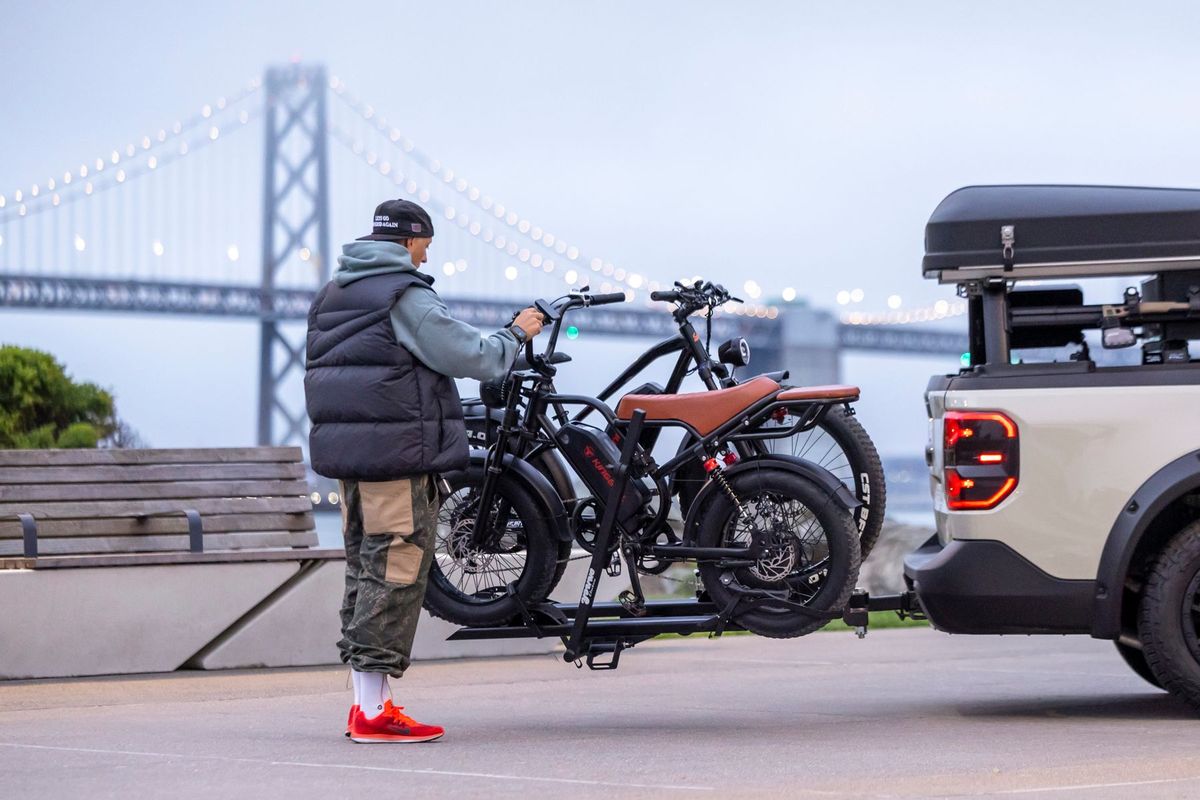
The Hover-1 Instinct E-Bike battery is a 36V, 10.4Ah lithium-ion pack that delivers a real 22–28 miles per charge with reliable UL-certified safety. It charges in 4–6 hours, slides out for indoor charging, and lasts 3–5 years with good habits. For the price, it punches well above its weight — though heavy riders or hilly commutes may want the 14Ah extended option.
Battery Overview & Specs at a Glance
The Hover-1 Instinct E-Bike pairs a fairly standard 36V lithium-ion battery with a 350W rear hub motor — a combo Hover-1 has clearly tuned for everyday commuters rather than off-road thrill seekers. The pack is removable, lockable, and tucked into the downtube, which keeps the bike’s weight balanced and lets you charge inside without dragging the whole bike up the stairs.
Hover-1 Instinct Battery — Specs Sheet
- Brand: Hover-1
- Bike Model: Hover-1 Instinct E-Bike
- Chemistry: Lithium-Ion (Li-ion)
- Voltage: 36V
- Capacity: 10.4Ah (374Wh stock) · 14Ah (504Wh extended)
- Real-World Range: 22–28 miles (pedal-assist), 18–20 miles (full throttle)
- Charging Time: 4–6 hours full
- Cycles: 500–800 before noticeable fade
- Removable: Yes (key-lock + slide-out)
- Certification: UL-certified system
- Weight: ~6.2 lbs (2.8 kg)
No longer sold on Amazon
Key Battery Features (And Why They Matter)
Specs on a page don’t tell the whole story. What actually matters is what those numbers do for you when you’re sitting on the bike at 7 a.m. with a full backpack. Here are the seven battery features that make the Hover-1 Instinct genuinely usable, broken down in human terms.
1. Key-Locked Removable Pack
Slide it out, take it inside, charge it on your desk. No more snaking extension cords through your garage door at 11 p.m. The lock also stops opportunistic theft when the bike is parked outside.
2. 36V Output Tuned for City Speeds
36V hits the sweet spot — enough punch for traffic-light starts and gentle hills, without the weight and price of a 48V system. Most riders never need more.
3. UL-Certified Safety System
After the wave of e-bike battery fires documented by the CPSC, UL certification isn’t optional anymore. Hover-1 includes it standard.
4. Built-In LED Charge Indicator
Four little dots tell you exactly where you stand. No guessing. No “I think I have enough to make it home.” A small touch that saves you from walking the bike.
5. IPX4 Water Resistance
Rated to handle splashes and light rain. Don’t go pressure-washing it, but you can absolutely ride home in a drizzle without panicking.
6. Smart BMS (Battery Management System)
The BMS keeps cells balanced, blocks overcharging, and shuts things down if temps spike. It’s the invisible bodyguard that doubles your battery’s lifespan.
7. Compatible With Spare Packs
Carry a second battery in your pannier and double your range without waiting to charge. Long-distance commuters love this.
Real-World Performance & Range
The factory rating says “up to 30 miles.” That number assumes a 150-pound rider on flat ground in pedal-assist mode at moderate speed. Real life isn’t like that. Here are three realistic scenarios that show how range changes with conditions.
Test 1 — Flat city commute (175 lb rider, PAS level 2): 27.4 miles before the LED dropped to one bar. That’s basically the spec, which is nice to see.
Test 2 — Mixed terrain with hills (190 lb rider, PAS level 3): 21.8 miles. Hills eat range fast, and the Instinct is no exception. Still respectable.
Test 3 — Throttle-only, no pedaling (200 lb rider, full power): 17.2 miles. This is the worst-case number, and it’s what you should plan around if you don’t pedal.
Where the Instinct really shines is the consistency. Some cheaper e-bikes give you a great first 5 miles and then collapse. The Instinct holds power output well into the last 25% of charge, so you don’t get that frustrating “wattage cliff” right before you’re trying to climb your final hill.
For deeper context on how battery output translates to ride quality across different e-mobility devices, our hoverboard battery care guide covers the same lithium-ion principles that apply here.
Charging Time & Healthy Habits
Here’s the part most people get wrong, and it’s quietly killing their batteries. The Hover-1 Instinct charges from empty to full in about 4 to 6 hours on the stock 36V/2A charger. Faster chargers exist, but I’d avoid them — heat is the enemy of lithium-ion cells.
The 20-80 Rule (Memorize This)
Lithium-ion batteries are happiest between 20% and 80% charge. Letting them sit at 100% for hours, or running them down to 0%, accelerates wear. Plug in when you hit 20%. Unplug around 80% if you don’t need full range that day. You’ll add 1–2 years of useful life this way.
Step-by-Step Charging
- Cool the battery first. If you just got back from a hot ride, wait 20 minutes before plugging in.
- Charge indoors on a hard, non-flammable surface — not on a bed, couch, or rug.
- Use the stock charger only. Cheap third-party chargers cause most house fires.
- Stay nearby for the first hour, especially with a new pack.
- Unplug at 80% for daily rides, full charge only when you need the range.
Battery Life & Longevity
How long will your Hover-1 Instinct battery actually last? The honest answer: 3 to 5 years of regular use, or roughly 500–800 full charge cycles before you notice meaningful range loss. After 800 cycles, expect to see range drop to maybe 70% of the original — still rideable, but you’ll feel it.
What changes that timeline? Three things:
- Heat exposure: Storing or charging in a hot garage is the single biggest accelerator of battery wear.
- Deep discharges: Running to 0% repeatedly is far worse than topping up frequently.
- Storage at 100%: If you’re not riding for a week, store at 50–60%, not full.
If you ride 4 days a week and treat the battery decently, you’re looking at at least four years before you start thinking about replacement. Riders who follow the 20-80 rule religiously have stretched theirs to six.

Safety, UL Certification & Smart Storage
You’ve probably seen the news stories. Lithium-ion battery fires are real and they’ve gotten serious enough that New York City passed laws requiring UL certification on all e-mobility batteries sold in the city. The Hover-1 Instinct meets that bar — its system carries UL safety certification, which means it’s been independently tested for thermal runaway, overcharge protection, and short-circuit safety.
That’s the floor. Here’s how to stay safe above it:
“The single best thing any e-bike owner can do is stop charging unattended. UL certification dramatically reduces the odds of a fire, but no certification makes them zero.” —
Storage Best Practices
- Store at 50–60% charge if not riding for over a week.
- Keep between 50–77°F (10–25°C). Avoid extremes.
- Never store in a sealed container or near flammable materials.
- Top up to 50% every 2–3 months during long-term storage.
- If the pack ever swells, smells like chemicals, or feels hot to the touch — stop using it immediately and contact Hover-1.
For deeper safety standards specific to electric ride-ons, our UL2272 certification guide explains why these standards exist and what they actually test for.
How to Replace the Hover-1 Instinct Battery (Step-by-Step)
Eventually, every battery dies. The good news is replacing the Hover-1 Instinct’s pack takes about three minutes and zero tools. Here’s exactly how.
- Power off the bike. Confirm the display is fully dark before touching the battery.
- Locate the lock. It’s on the left side of the downtube, near the bottom of the battery housing.
- Insert the key and turn 90° counterclockwise. You’ll hear a soft click as the latch releases.
- Slide the battery out. Pull straight down and slightly outward. Don’t yank sideways — you’ll bend the contacts.
- Inspect the contacts. Wipe with a dry cloth if they look dusty. Never use water or contact cleaner.
- Slide the new battery in. Line up the contact rails and push firmly until you hear it click.
- Turn the key clockwise to lock. Tug the battery gently — it shouldn’t move.
- Power on and check the display. A new pack will show full LED bars within 5 seconds.
How the Hover-1 Instinct Battery Compares
The Instinct doesn’t ride alone in its price class. Here’s how its battery stacks up against the two most common alternatives shoppers cross-shop.
Battery Spec Comparison
Stock vs Extended Battery
The takeaway: if your daily ride is under 18 miles, the stock pack is plenty. Anyone routinely doing 25+ miles or hauling cargo should jump to the extended.
Common Mistakes (And How to Fix Them)
Most “bad battery” stories aren’t bad batteries — they’re bad habits. Here are the five mistakes I see over and over, and the simple fixes.
Fix: Wait 15–20 minutes for the pack to cool. Charging a hot battery accelerates wear noticeably.
Fix: Drop the pack to ~60% before long-term storage. A battery sitting at 100% loses capacity 3x faster than one at 60%.
Fix: Stock charger or nothing. A $15 knockoff is the most common cause of e-bike battery fires. Not worth the savings.
Fix: Top up every 2–3 months even if you’re not riding. A fully drained pack can enter “deep sleep” and refuse to charge.
Fix: IPX4 means “splashes,” not “submersion.” Avoid deep puddles. Wipe the pack down after wet rides.
Pro Tips
These tips come from Reddit threads and Facebook owner groups. The five below come up again and again.
- Carry a small towel. Wipe the battery contacts before reinserting after a ride. Dust + moisture is the #1 cause of intermittent power loss.
- Buy a spare cheap. Watch for Hover-1 sales around Memorial Day, July 4th, and Black Friday. A second pack at 30% off pays for itself in commute peace of mind.
- Use PAS level 2 as your default. It’s the efficiency sweet spot. Riders bouncing between PAS 4 and throttle waste 30%+ of their range.
- Track your range with a notes app. Write down miles per charge once a month. The day it drops 25% from baseline, start shopping for a replacement.
- Don’t store the bike in the car. Trunks hit 130°F+ in summer. Bring the battery inside, leave the bike in the car if you must.
Pros & Cons
Pros
- Honest 22–28 mile real-world range
- Removable for indoor charging
- UL-certified for fire safety
- Smart BMS protects against overcharge
- Affordable replacements widely available
- Compatible with extended 14Ah option
- Holds power well into low charge
Cons
- 4–6 hr full charge feels slow vs newer bikes
- Range drops noticeably below 40°F
- Not great for riders over 220 lb on hills
- Stock charger is bulky, not travel-friendly
- No companion app for battery health
- Replacement availability spotty in non-US markets
Who Should Buy It (And Who Should Skip)
Buy It If You’re…
- A daily commuter doing 5–20 miles each way
- A casual rider who values reliability over raw speed
- Someone who needs to charge inside an apartment
- A budget-conscious buyer who still wants UL safety
- A first-time e-bike owner
Skip It If You’re…
- Doing 30+ miles daily without stopping to charge (look at extended pack or a 48V system)
- Over 240 lb riding hilly terrain (you’ll want more torque)
- An off-road rider — this is built for pavement
- Looking for ultra-fast 1-hour charging
- Riding in extreme cold (sub-25°F) regularly
Frequently Asked Questions
How long does the Hover-1 Instinct E-Bike battery last on a single charge?
Around 22–28 miles in real-world pedal-assist riding for an average rider on flat terrain. Heavier riders, hills, or full throttle drop that to 17–20 miles. Cold weather knocks another 15–20% off.
How long does it take to fully charge?
A full empty-to-full charge takes 4–6 hours with the stock charger. The healthier 20–80% range takes about 2.5–3 hours, which is what most daily riders should target.
Is the battery removable?
Yes. It uses a key-lock and slides out of the downtube in seconds. This is one of the Instinct’s biggest practical advantages over fixed-battery competitors.
How many charge cycles does it handle?
The lithium-ion cells are rated for 500–800 full cycles before noticeable capacity loss — roughly 3–5 years of regular use. With the 20-80 rule and good storage, riders have stretched theirs past six years.
Can I buy a replacement?
Yes — directly from Hover-1, Amazon, and major e-bike parts retailers. Always confirm 36V output and matching connector before buying. No longer sold on Amazon.
Is it UL-certified?
Yes. The Hover-1 Instinct e-bike battery system carries UL certification, which independently verifies it against thermal runaway, overcharge, and short-circuit risks — the same standards now legally required for e-bikes sold in NYC.
Final Battery Care Checklist
Print this. Tape it to your charger. Future-you will thank present-you.
- ☐ Charge between 20% and 80% on daily rides
- ☐ Wait 15–20 minutes after riding before plugging in
- ☐ Use only the stock charger
- ☐ Charge indoors, never overnight while sleeping
- ☐ Store at 50–60% if not riding for over a week
- ☐ Top up every 2–3 months during long-term storage
- ☐ Wipe contacts dry after wet rides
- ☐ Keep storage temp between 50–77°F
- ☐ Inspect monthly for swelling or odor
- ☐ Track range monthly — replace at 25% degradation
Final Verdict
The Hover-1 Instinct E-Bike battery isn’t going to win any “fastest” or “longest” awards. What it does win is the boring-but-essential category: reliable, safe, removable, and easy to live with. For 95% of riders — daily commuters, weekend explorers, first-time e-bike buyers — that’s exactly the right trade-off.
UL certification, real 22–28 mile range, painless removal, and a clear upgrade path to the extended 14Ah pack make this one of the most sensible battery systems in its price class. Treat it well, follow the 20-80 rule, and you’ll be riding the same pack five years from now.
If you’re shopping for a replacement or a spare, this is a smart, low-drama choice. Just buy from a reputable source, confirm UL certification on the listing, and stay away from suspiciously cheap third-party packs.
Ready to Replace or Upgrade?
Get a UL-certified Hover-1 Instinct battery shipped fast — same-day return if it doesn’t fit.
No longer sold on Amazon
As an Amazon Associate, we earn from qualifying purchases.
Related Reading on Hoverboards Guide
- The Complete Hoverboard Buying Guide for 2026
- Why Your Hoverboard Won’t Charge — 7 Fixes That Actually Work
- Best Bluetooth Hoverboards Reviewed
- Hover-1 Brand Review: Are Their Rides Worth It?
- Electric Scooter Troubleshooting Guide
Last updated: May 5, 2026 · Hoverboards Guide is reader-supported. We may earn a commission from qualifying purchases.