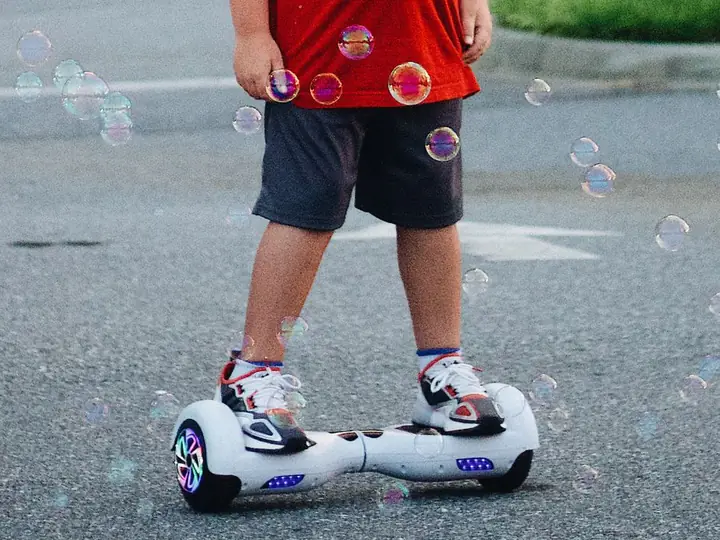
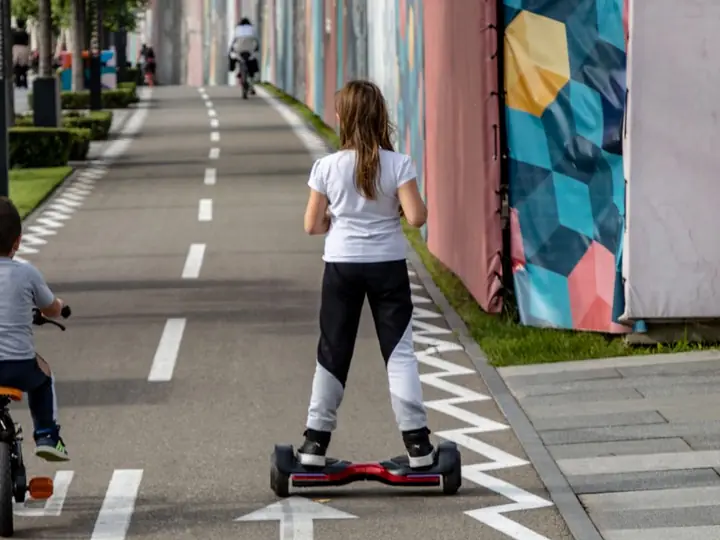
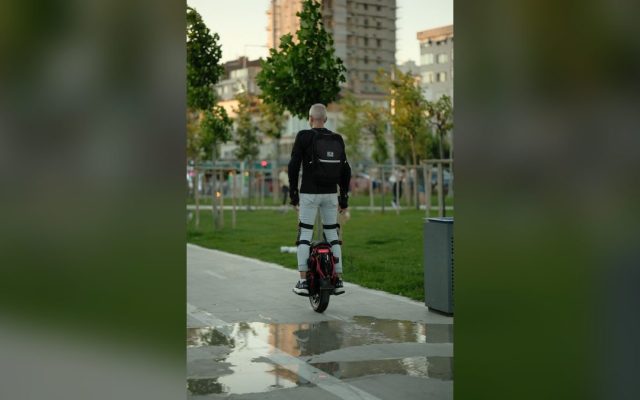
Bigger tires, higher weight limits, and real off-road power. Here's how grown-ups pick a hoverboard that actually holds up.
Shopping for the best hoverboards for adults is a completely different game than grabbing a board for a kid. A full-grown rider puts real stress on the motors, the battery, and the tires. If you buy the wrong one, it feels wobbly, cuts out on the smallest hill, and drains its battery in minutes. Buy the right one, and it becomes the most fun way to get around your neighborhood.
The good news? There are more solid adult options in 2026 than ever. Some carry up to 420 pounds. Others roll over grass and gravel like it’s nothing. A few even cruise more than 20 miles on a single charge. The trick is knowing which specs matter for your body and how you plan to ride.
In this guide, we’ll walk through our favorite adult hoverboards, break down the specs that actually count, and share the safety habits that keep you (and your board) in one piece. No jargon, no fluff. Just honest advice from riders who’ve spent plenty of time on two wheels.
This article is part of our hoverboard buying guide, which brings together every hoverboard guide on the site.
What Adults Should Look For in a Hoverboard
When you’re a full-size rider, four things separate a great board from a frustrating one: weight limit, tire size, motor power, and range. Get those right and everything else is a bonus. Skip them and even a pricey board will let you down.
Weight limit is the big one. Most cheap boards top out around 220 pounds, and they start to struggle well before that. Tire size decides where you can ride. Small 6.5-inch wheels feel every crack in the sidewalk, while 8.5-inch and 10-inch tires smooth things out and open up grass and dirt. Motor power (measured in watts) controls how well you climb hills and pull away from a stop. And range tells you how far you’ll get before hunting for an outlet.
Think about where you’ll actually ride before you spend a dime. A smooth office campus needs different tires than a gravel driveway. A short trip to the mailbox needs less range than a mile-long commute. Match the board to your real life, not the flashiest listing.
- Weight limit: aim for at least 260 lbs, more if you’re a bigger rider
- Tire size: 8.5 inches or larger for adult comfort and stability
- Motor power: dual motors of 300W or more for confident hill climbing
- Range: match it to your longest regular ride, then add a little buffer
- Certification: UL 2272 is non-negotiable for battery safety
| Model | Best For | Top Speed | Range | Weight Limit | Tire Size | Approx. Price |
|---|---|---|---|---|---|---|
| Gyroor Warrior 8.5″ | All-around adult riding | 10 mph | Up to 9.5 mi | 265 lbs | 8.5″ solid | $300–$450 |
| Swagtron T6 Outlaw | Heavy & tall riders | 12 mph | Up to 12 mi | 420 lbs | 10″ all-terrain | $450–$550 |
| Segway Ninebot S2 | Premium & longer rides | 11.2 mph | 21.7 mi | 220 lbs | 10.5″ pneumatic | $500–$600 |
| Hover-1 Titan | Budget all-terrain | 7 mph | 8 mi | 264 lbs | 10″ pneumatic | ~$250 |

The Best Hoverboards for Adults in 2026
We picked four boards that cover the situations most adult riders find themselves in: an all-around workhorse, a heavy-duty option for bigger riders, a premium ride, and a budget all-terrain board. Every one is UL 2272 certified, and every one can genuinely handle a grown-up. Here’s who each one is for.
Gyroor Warrior 8.5″ — Best All-Around
If you want one board that does almost everything, this is it. The 8.5-inch solid tires roll over grass, cracked sidewalks, and packed dirt without complaint, and the dual 350W motors have enough punch for a 200-pound rider on a gentle hill. It tops out near 10 mph, holds up to 265 pounds, and it’s UL 2272 certified. For most adults, it’s the sweet spot of price and power.
Swagtron T6 Outlaw — Best for Big and Tall Riders
Most boards quietly give up above 220 pounds. The T6 Outlaw was built for the opposite. It carries up to 420 pounds, the highest limit you’ll find anywhere. Big 10-inch tires, dual 600W motors, and a 12 mph top speed mean heavier and taller adults still get real speed and hill-climbing muscle. If other boards feel wobbly or weak under you, start here.
Segway Ninebot S2 — Best Premium Ride
Segway’s S2 feels a clear step above. You get 10.5-inch air-filled tires that soak up bumps, a huge 21.7-mile range, and smooth, confident handling. One thing to know: it uses a padded knee bar between your legs for steering, so it rides a little differently than a classic foot-only board. The 220-pound limit is lower, but the ride quality and range are hard to beat.
Hover-1 Titan — Best Budget All-Terrain
Around $250, the Titan punches above its price. You get chunky 10-inch pneumatic tires, a 264-pound weight limit, and UL certification, which is rare this cheap. It’s slower at about 7 mph with an 8-mile range, so it’s more of a relaxed cruiser than a speed machine. For a first adult board or an occasional weekend ride, it’s a smart, safe pick.
Weight Limits: The Spec Adults Get Wrong Most
Here’s a truth the marketing pages skip: a board’s rated weight limit is a maximum, not a comfort zone. A board rated for 220 pounds doesn’t ride great at 219. It rides great with 30 or 40 pounds to spare, and it starts to feel sluggish and twitchy as you creep toward the top of its range.
As you approach the limit, a few things happen. The motors work harder just to keep you balanced, so they have less power left for hills and quick starts. The battery drains faster, cutting your real-world range. And on an incline, an overloaded board can tip forward or cut out entirely, which is exactly when you don’t want a surprise. Taller riders feel this too, because your higher center of gravity puts more strain on the balancing motors.
So don’t shop for a board that just barely fits you. Shop for one with room to breathe. If you weigh 230 pounds, look at boards rated 265 or higher. If you’re over 250, jump straight to a heavy-duty 10-inch model. The extra headroom is the difference between a board that feels planted and one that feels like it’s fighting you.
- Rated limit is the ceiling, not the ideal riding weight
- Riding near the max cuts range and weakens hill performance
- Overloading can cause tip-forward or sudden cut-outs on inclines
- Taller riders need extra motor headroom for stability
- Add gear and a backpack into your total weight, not just your body
Tire Size and Terrain: What Actually Matters
Tire size is the spec that changes your ride the most, and it’s the easiest one to get wrong. Bigger tires mean a smoother, more forgiving ride and more places you can go. Smaller tires are cheaper and lighter but feel every bump. Here’s how the three common sizes stack up for adult riders.
6.5-inch solid tires
These are the classic small hoverboard wheels. They’re fine for smooth indoor floors and clean pavement, and they’re the cheapest option. But they feel every crack and pebble, and they usually pair with lower 220-pound weight limits. For most adults, they’re a bit small unless you only ride smooth surfaces.
8.5-inch tires
This is the adult sweet spot. Whether solid or semi-air, 8.5-inch tires handle pavement, grass, packed dirt, and small bumps with ease. They pair with higher weight limits (260 pounds and up) and stronger motors. If you want one do-it-all size, this is the one to pick.
10-inch to 10.5-inch pneumatic tires
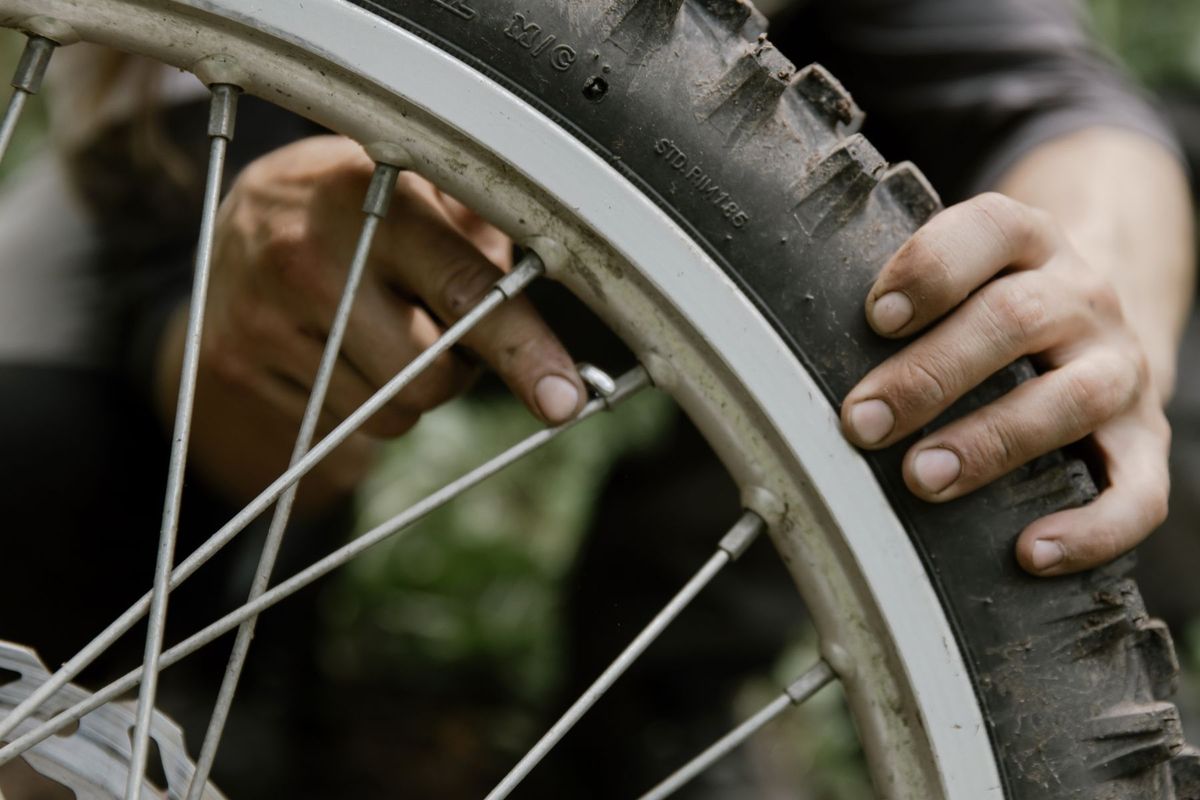
These air-filled tires are the off-road champions. They cushion rough ground, roll over gravel and grass, and support the highest weight limits. The trade-off is that pneumatic tires can go flat or need occasional air, unlike solid ones. For heavier riders or real trail use, they’re worth it.
Staying Safe: UL 2272, Batteries, and Gear
You’ve probably heard the old horror stories about hoverboards catching fire. That’s exactly why the UL 2272 safety standard exists. It’s a certification that tests the whole board (battery, charger, and electrical system) against overheating, short circuits, overcharging, and fire. A board without it is a gamble you don’t want to take.
Verifying it is easy. Look for a UL holographic label on the underside of the board and on the packaging. Each label has a serial number you can check on UL’s website. Skip any board that can’t prove its certification, and never buy one from a random kiosk or a no-name seller with no paperwork. Certification covers safety, not performance, so it’s the floor, not a guarantee of a great ride.
Charging is where a lot of adults get careless. Only ever use the charger that came in the box, since a mismatched one can send the wrong voltage. Charge on a hard, non-flammable surface, away from couches and curtains. And don’t leave it plugged in overnight or while you’re out. Once the light turns green, unplug it. Finally, gear up: a helmet and wrist guards are cheap insurance, and closed-toe shoes beat sandals every time.
- Confirm UL 2272 certification with the holographic label and serial number
- Use only the original charger, on a hard, non-flammable surface
- Never charge overnight or leave the board unattended while plugged in
- Let the board cool down before charging after a long ride
- Wear a helmet, wrist guards, and closed-toe shoes, especially while learning
Learning to Ride and Keeping It Rolling
Adults sometimes feel silly about the learning curve, but it usually takes just 15 or 20 minutes to get comfortable. Start next to a wall, a railing, or a sturdy chair. Step onto one foot, then the other, keeping your knees soft and your eyes forward, not down. Lean gently to go, straighten up to slow. Almost every board has a beginner mode that caps your speed and smooths out the controls, so switch it on for your first few rides.
Once you’re rolling, practice the boring stuff: slow turns, smooth stops, and stepping off cleanly. Those are the skills that prevent spills. Give yourself real space and avoid busy sidewalks or slopes until it feels natural. Confidence comes fast once the balance clicks.
Maintenance is light but worth doing. Wipe down the tires and check for loose screws every few weeks. Store the board indoors, away from damp and extreme cold. Cold weather can cut your range by 20 to 30 percent, so charge fully before winter rides. If you’re storing it for a while, leave the battery around half-charged rather than full or empty, which helps it last longer. A little care keeps an adult board running for years.
- Learn near a wall or chair so support is always within reach
- Turn on beginner mode until balancing feels automatic
- Practice slow stops and clean dismounts before picking up speed
- Wipe tires and check for loose hardware every few weeks
- Store indoors and keep the battery near half-charge for long breaks
| Tire Size | Best Surfaces | Typical Weight Limit | Good For |
|---|---|---|---|
| 6.5″ solid | Smooth indoor floors, clean pavement | Up to 220 lbs | Light adults, budget buyers |
| 8.5″ solid/semi-air | Pavement, grass, packed dirt, small bumps | 260–265 lbs | Most adults, all-around use |
| 10″–10.5″ pneumatic | Grass, gravel, dirt, mild trails | 264–420 lbs | Heavy riders, real off-road |
| Rider Type | Recommended Model | Why It Fits |
|---|---|---|
| Big or tall (250+ lbs) | Swagtron T6 Outlaw | 420 lb limit and strong 600W dual motors |
| Everyday all-around adult | Gyroor Warrior 8.5″ | Balanced power, grippy tires, great value |
| Longer commutes | Segway Ninebot S2 | 21.7-mile range and smooth pneumatic tires |
| Budget-focused beginner | Hover-1 Titan | Under $250 with easy off-road tires |
Common Mistakes (and How to Fix Them)
Fix: Those small boards usually cap out around 220 lbs and feel twitchy under an adult. Step up to 8.5-inch or 10-inch tires with a 260+ lb weight limit for real stability.
Fix: Look for the UL holographic label on the underside and the packaging. If a seller can’t prove the certification, walk away and buy elsewhere.
Fix: Use beginner mode and practice slow turns and clean stops first. Most adult spills happen from going too fast too soon, before balance becomes automatic.
Fix: Charge while you’re awake, unplug the moment it’s full, and only ever use the charger that came in the box to avoid overheating.
Pro Tips
- 💡 Learn near a wall or sturdy chair so you can grab support while you find your balance in the first few minutes.
- 💡 Start in beginner mode. It caps your speed and softens the controls, which makes the board far more forgiving while you learn.
- 💡 Cold weather can cut your range by 20 to 30 percent, so charge fully before winter rides and expect shorter trips.
- 💡 Wipe down the tires and check for loose screws every few weeks to keep the ride smooth and quiet.
- 💡 If you’re storing the board for a while, leave the battery around half-charged. It ages much better than sitting full or empty.
An Example Scenario
Illustrative example: a composite of situations riders often describe, not a real customer story.
Picture a 240-pound rider who has given up on hoverboards because an old 6.5-inch board lurches and cuts out on the smallest hill. On a big-wheel board like the Gyroor Warrior, rolling over grass and gravel for an hour straight is no problem. Bigger tires and stronger motors make all the difference.
Picture a tall rider who bought the Swagtron T6 Outlaw because she wanted something that didn’t feel flimsy under her. Two years later it still handles her daily loop to the mailboxes and back, gravel road and all. Her advice to anyone on the fence is simple: buy for your size, not for the lowest price.
Frequently Asked Questions
Yes, adults can absolutely ride hoverboards. You just need the right size. Look for models with 8.5-inch or larger tires, a weight limit above 260 pounds, and dual motors with enough power for hills. Boards built for kids feel wobbly and weak under a full-grown rider, so size matters more than anything.
Most adult hoverboards hold between 220 and 265 pounds, and a few go much higher. The Swagtron T6 Outlaw leads the pack at 420 pounds, the highest limit on the market. As a rule, pick a board rated at least 20 to 30 pounds above your body weight so the motors stay strong on hills.
Hoverboards are safe for adults when you buy a UL 2272 certified model and wear protective gear. That certification means the battery and electrical system passed fire and overheating tests. Add a helmet and wrist guards, ride in beginner mode while you learn, and always charge the board safely and unattended.
Most adult hoverboards top out between 7 and 12 mph. Budget all-terrain boards like the Hover-1 Titan cruise around 7 mph, while powerful off-road models like the Swagtron T6 Outlaw hit 12 mph. For everyday riding, 8 to 10 mph feels plenty quick for most people.
Yes, riders over 250 pounds have great options, but you need a heavy-duty board. The Swagtron T6 Outlaw carries up to 420 pounds, and other 10-inch models handle 260 to 265 pounds. Heavier riders should prioritize big tires and strong dual motors for stable, confident hill climbing.
A good adult hoverboard usually costs between $250 and $600. Around $250 gets you a solid all-terrain board like the Hover-1 Titan. Spend $400 to $600 for premium range, bigger motors, and air-filled tires. Be cautious of no-name boards under $150, since they often skip the safety certification that matters most.
A hoverboard is the flat board you steer by leaning, while a Segway-style scooter has a tall knee bar you push to steer. Both are self-balancing and both work great for adults. The board is more playful and easy to carry, while the Segway style is comfier and has more range for longer commutes.
Final Checklist ✅
- ✅ Confirm the board is UL 2272 certified before you buy
- ✅ Check the weight limit and leave 20 to 30 lbs of headroom
- ✅ Choose 8.5-inch or larger tires for adult-size stability
- ✅ Match the range to your longest regular ride, plus a buffer
- ✅ Order wrist guards and a helmet at the same time
- ✅ Read the return window and warranty terms before checkout
- ✅ Charge indoors on a hard surface and never overnight