From self-balancing scooters to electric unicycles, e-skateboards, and e-bikes — here's every ride that beats a hoverboard, and exactly who each one is for.
So you had your heart set on a hoverboard, and then the doubts crept in. Maybe it feels too slow for your commute. Maybe your campus banned them. Or maybe you watched one wobble on a cracked sidewalk and thought, there has to be something better. If that’s you, this guide to the best hoverboard alternatives is exactly where you want to be.
The good news? Personal electric vehicles have exploded since hoverboards first went viral. Today you can pick from self-balancing scooters, stand-up electric scooters, electric unicycles, Onewheels, electric skateboards, and e-bikes. Each one fixes a specific hoverboard weakness. Some are easier to ride. Some go three times as fast. Some carry you 40 miles instead of 8.
Below, we break down seven real hoverboard alternatives you can actually buy in 2026, with honest specs, ballpark prices, and, most importantly, who each one is right for. By the end, you’ll know exactly which ride matches your budget, your commute, and your appetite for adventure.
This article is part of our hoverboard buying guide, which brings together every hoverboard guide on the site.
Why Riders Look Beyond Hoverboards
Hoverboards are brilliant at what they do. They’re cheap, fun, and easy to learn in an afternoon. But they were never built to be do-everything machines. Most top out at 6 to 10 mph, run 6 to 12 miles per charge, and roll on small 6.5-inch wheels that hate cracks, gravel, and steep hills. For a quick spin around the driveway, that’s perfect. For getting to class across town, it starts to feel limiting fast.
There’s also the where-can-I-ride problem. Plenty of schools, offices, and public transit systems have banned hoverboards outright, usually over old battery-fire headlines. Add in the fact that many models are really sized for kids and teens, and it’s easy to see why grown-up riders start shopping around for something more capable.
- You want to actually commute, with more than 8 mph and 8 miles to work with.
- You ride rough ground, like cracked sidewalks, gravel, or hills that stall small wheels.
- You need to carry it onto a bus, a train, or up to an apartment.
- Hoverboards are banned where you ride, whether that’s campus, work, or transit.
- You want a real adult-sized ride with a higher weight limit.
- You’re chasing a bigger thrill, like speed, air, and that surfy carving feel.
| Ride Type | Top Speed | Typical Range | Learning Curve | Best For | Price Range |
|---|---|---|---|---|---|
| Hoverboard (baseline) | 6-10 mph | 6-12 miles | 15-30 min | Kids & short fun rides | $100-$300 |
| Self-balancing scooter | 10-12 mph | 14-24 miles | ~3 min | Stability & family fun | $400-$700 |
| Electric scooter | 15-20 mph | 10-25 miles | 10-20 min | Everyday commuting | $300-$800 |
| Electric unicycle | 20-40+ mph | 20-60+ miles | Days-weeks | Speed & long range | $600-$2,500 |
| Onewheel | 18-20 mph | 12-25 miles | Hours-days | Surfy off-road fun | $1,050-$2,200 |
| Electric skateboard | 18-28 mph | 8-18 miles | A few hours | Skaters & cruisers | $350-$1,000 |
| E-bike | 20-28 mph | 30-60+ miles | Instant | Long commutes & cargo | $800-$2,000 |

Self-Balancing Scooters: The Closest Cousin
If you love the magic of a self-balancing ride but wish it were steadier, a self-balancing scooter is your easiest upgrade. The Segway Ninebot S is the poster child. It looks like a hoverboard with a padded bar between your knees, and that little bar changes everything. You steer by leaning your knees left or right, so you get a natural handhold and far more control than a bare hoverboard deck.
The specs solve real hoverboard headaches, too. Big 10.5-inch air-filled tires glide over cracks and pebbles that would trip a 6.5-inch wheel. You get up to 10 mph, around 13.7 miles of range, and a 220-pound weight limit that comfortably fits adults. Segway says most people learn it in about three minutes using the guided app, so the tiny learning curve hoverboard fans love is still there.
The party trick is the optional Gokart kit. Snap the Ninebot S into the frame and it becomes a sit-down electric go-kart, a huge hit with families and the reason many parents pick it over a plain hoverboard. Step up to the Ninebot S Max and you get dual motors, up to 12.4 mph, and about 23.6 miles of range for not much more money.
Electric Scooters: The Everyday Workhorse
Ask any commuter what replaced their hoverboard and most will say a stand-up electric scooter. It’s the practical, grown-up choice. You stand tall, hold real handlebars, squeeze a brake, and twist a throttle. No balancing skill required, so if you can ride a kick scooter, you’re ready in minutes. Folding stems mean you can carry it onto a train or stash it under a desk.
The value here is excellent in 2026. Around $300 gets you a Gotrax GXL V2, a longtime budget favorite that does roughly 15 to 18 mph, covers about 12 miles, and weighs a manageable 27 pounds. Spend around $450 on a Segway E3 Pro and you add 10-inch tubeless tires, front-and-rear suspension, turn signals, and Apple Find My tracking. The Hiboy S2 is another well-loved pick and one of the quicker budget scooters, hitting close to 19 mph.
- Real handlebars and a hand brake feel safe and familiar from day one.
- They fold flat for buses, trains, and small closets.
- Bigger tires and suspension smooth out rough roads.
- Speeds of 15 to 20 mph make short commutes genuinely quick.
- A huge range of models spans $300 to $800 and beyond.
Electric Unicycles and Onewheels: For the Thrill-Seekers
Ready for something wilder? Electric unicycles and Onewheels are the adrenaline end of the hoverboard family. Both take real practice, but riders who stick with them rarely go back.
Electric Unicycles (EUCs)
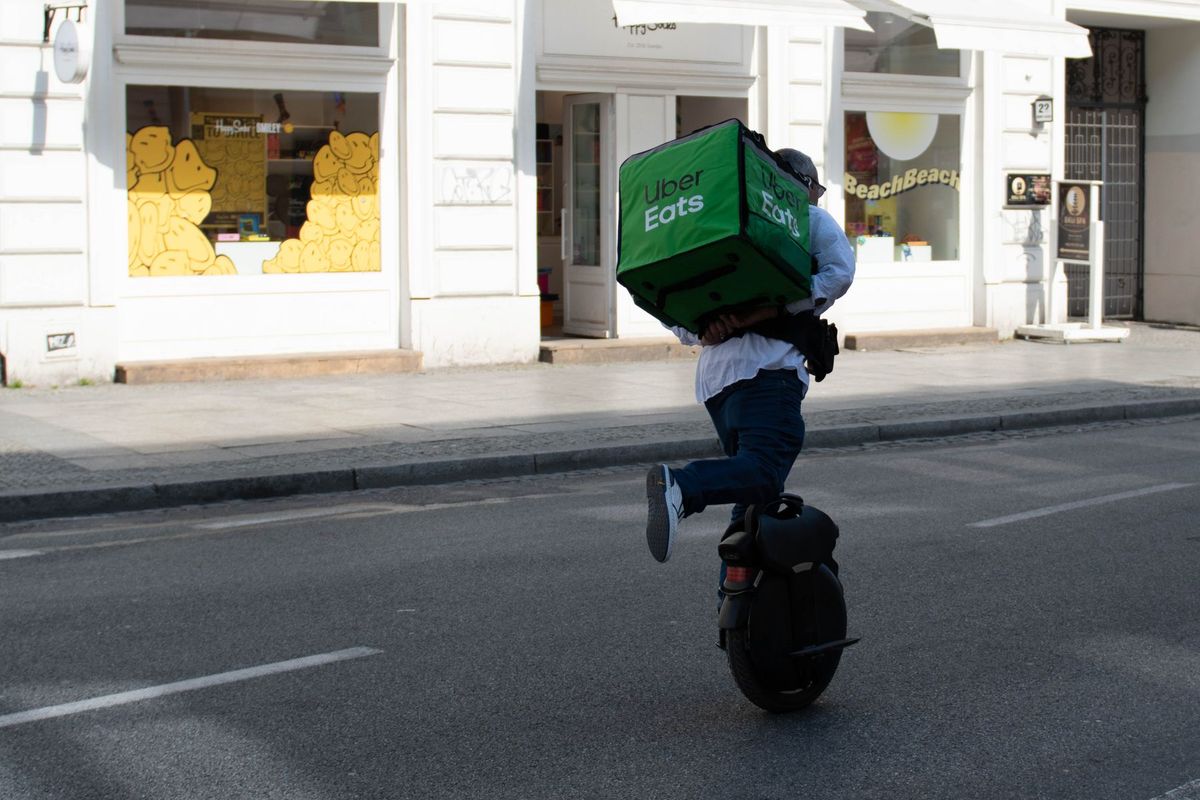
An EUC is a single fat wheel you stand on, balancing front-to-back and steering with your body. There’s no handlebar, so the learning curve is real, think days or weeks, not minutes. The payoff is enormous. Beginner-friendly models keep things gentle, while monsters like the InMotion V14 hit 40-plus mph and travel 60-plus miles on a charge. Nothing else on this list matches an EUC for pure speed and range.
Onewheels
A Onewheel is a self-balancing board with one big go-kart tire in the middle. It feels like snowboarding on pavement, smooth, surfy, and shockingly good off-road. The Onewheel Pint X does about 18 mph with 12 to 18 miles of range for around $1,050, while the GT S-Series pushes past 20 mph. It’s easier to learn than an EUC but pricier than a scooter.
Electric Skateboards and Longboards: Surf the Street
If you grew up on a skateboard, this is your lane. An electric skateboard looks like a normal board but hides belt or hub motors and a battery underneath. You control speed and braking with a small handheld remote, and you steer the old-fashioned way, by leaning. It keeps the low, surfy feel a hoverboard can’t touch, with none of the balancing tricks of an EUC.
Entry pricing is friendlier than you’d expect. The Meepo Mini 5 starts around $349 and still rips to nearly 26 mph, while the Wowgo and Backfire lineups offer smooth belt-driven rides in the $400 to $700 range. Longboard-style decks give a comfy cruise, and shorter shortboards are nimble and easy to carry. Range usually lands between 8 and 18 miles depending on battery size.
One catch: braking and hills demand practice, and small skate wheels dislike rough pavement. So wear a helmet, start slow, and learn to foot-brake as a backup before you trust the remote on a downhill.
- Current or former skateboarders who already lean to steer.
- Riders who want a low, portable ride they can grab and go.
- Cruisers who like carving bike paths and smooth streets.
- Anyone on a budget who still wants 20-plus mph of fun.
E-Bikes and Seated Rides: When You Need Real Range
Sometimes the honest answer is that you don’t want to stand and balance at all. You want to sit, relax, and go far. That’s where e-bikes shine. They’re the most practical alternative on this list by a mile. You already know how to ride one, they’re street-legal almost everywhere bikes are allowed, and they carry you 30 to 60-plus miles with pedal-assist or a throttle.
Value has gotten wild. The Lectric XP 4 lands at about $999 and folds up, fits riders from 4’11” to 6’5″, and includes a torque sensor and hydraulic brakes, features that cost far more a year ago. Prefer something lighter? The Lectric XP Lite 2.0 is around $799, and Aventon’s commuter models start just above $1,000 with a more bike-like feel.
Not quite ready for a full bike? There’s a middle ground. Many electric scooters accept a clip-on seat, and the Segway Ninebot S pairs with that same Gokart kit for a sit-down ride. Seated e-scooters and mini e-bikes give you take-a-load-off comfort without a full bicycle’s size.
- Your commute is longer than a few miles.
- You want to carry groceries, a bag, or a passenger.
- Hills or headwinds would drain a small rideable.
- You value comfort and a seat over the standing thrill.
How to Choose the Right Hoverboard Alternative
With so many options, the trick is to start with how you’ll actually ride, not the flashiest spec sheet. Nail down four things: your main use, your budget, your patience for learning, and where the law lets you ride. Get those right and the perfect pick almost chooses itself.
Whatever you choose, safety is non-negotiable. Look for UL 2272 certification on rideables, or UL 2849 on e-bikes, which means the whole electrical system was fire- and shock-tested. Buy from a brand with US support and spare parts, and always gear up with a helmet at minimum, plus wrist guards for board and wheel types where falls come quick.
- Easiest to learn: a self-balancing Segway Ninebot S, closest to a hoverboard and ready in minutes.
- Best all-round commuter: a folding electric scooter like the Gotrax GXL V2 or Segway E3 Pro.
- Most fun and fastest: an electric unicycle or Onewheel, if you’ll put in the practice.
- Board feel: an electric skateboard from Meepo, Wowgo, or Backfire.
- Longest range and comfort: an e-bike such as the Lectric XP 4.
| Model | Category | Top Speed | Range | Approx. Price |
|---|---|---|---|---|
| Segway Ninebot S | Self-balancing scooter | 10 mph | 13.7 miles | ~$500 |
| Gotrax GXL V2 | Electric scooter | ~16 mph | 12 miles | ~$300 |
| Hiboy S2 | Electric scooter | ~19 mph | 17 miles | ~$400 |
| InMotion V14 50S | Electric unicycle | 45+ mph | 60+ miles | ~$2,200 |
| Onewheel Pint X | Onewheel | 18 mph | 12-18 miles | ~$1,050 |
| Meepo Mini 5 | Electric skateboard | ~26 mph | 11 miles | ~$349 |
| Lectric XP 4 | E-bike | 20-28 mph | 45+ miles | ~$999 |
Common Mistakes (and How to Fix Them)
Fix: A 30-mph spec means nothing if your commute is two flat miles. Start with your real distance, terrain, and where you’ll store it, then match the ride to that.
Fix: Cheap, no-name rideables are the ones that make fire headlines. Insist on UL 2272 (rideables) or UL 2849 (e-bikes) and buy from an established brand with US support.
Fix: Many campuses, offices, and transit systems restrict or ban e-scooters, EUCs, and Onewheels. Check the rules for where you’ll actually ride before you spend a cent.
Fix: Electric unicycles and Onewheels take real practice and can bite beginners. If you want hoverboard-easy, pick a self-balancing scooter or e-scooter and save the EUC for later.

Pro Tips
- 💡 Plan for real-world range, not the box number. Expect about 60 to 70 percent of the advertised miles, and less if you weigh over 200 pounds.
- 💡 Gear up every ride. A helmet is the minimum, and wrist guards are smart for boards, EUCs, and Onewheels where falls happen fast.
- 💡 Test the gentle cousin first. A self-balancing Segway Ninebot S is the smallest leap from a hoverboard and builds confidence quickly.
- 💡 Baby your battery. Charge to about 80 to 90 percent for daily use, avoid leaving it fully dead for weeks, and store it indoors in cool temps.
- 💡 Buy from a brand with US support and spare parts like tires, chargers, and pads. Cheap imports are a nightmare to fix when something wears out.
An Example Scenario
Picture a student who buys a $180 hoverboard for the driveway and loves it, until she tries to ride it to her campus job. The little wheels catch every sidewalk crack, the 8-mph top speed makes her late, and campus security says hoverboards aren’t allowed indoors anyway. By October it sits in a closet.
She ended up with a folding Gotrax scooter for about $300. Same fun, but now she actually gets to class on time, folds it under her desk, and doesn’t sweat the rough pavement. Her advice to anyone shopping: be honest about how you’ll really use it before you buy the cute one.
Frequently Asked Questions
For most people, a self-balancing scooter like the Segway Ninebot S or a stand-up electric scooter is the best alternative. The Ninebot S feels closest to a hoverboard but adds steering and stability, while an electric scooter is the more practical choice for real commuting. Your best pick depends on whether you want easy fun or everyday transport.
For commuting and everyday use, yes, an electric scooter is usually better. It’s faster (15 to 20 mph versus under 10), goes farther, handles rough roads on bigger tires, and folds up to carry onto transit. A hoverboard still wins on price and pure novelty, but a scooter is the more useful daily ride.
A self-balancing scooter with a knee bar, like the Segway Ninebot S, is even easier than a hoverboard for many people because the bar gives you something to steer and lean against. An e-bike is arguably the easiest of all, since you already know how to ride a bicycle. Electric scooters are also quick to pick up.
Yes, they’re safe when you choose certified gear and ride responsibly. Look for UL 2272 certification on rideables, or UL 2849 on e-bikes, which means the battery and electrical system passed fire and shock testing. Then wear a helmet, add wrist guards for board-style rides, and start slow while you learn.
A basic electric kick scooter is the cheapest alternative, often $150 to $300. Budget favorites like the Gotrax GXL V2 sit around $300 and still hit roughly 16 mph. If you want self-balancing fun on a tight budget, a certified entry-level hoverboard is still cheaper, but a simple e-scooter gives you more speed and range for the money.
Absolutely, most alternatives are built with adults in mind. Electric scooters, e-bikes, EUCs, and Onewheels all handle adult weight and distances far better than many kid-focused hoverboards, with higher weight limits (often 220 to 260-plus pounds) and more power. That’s a big reason grown-up riders trade up in the first place.
Final Checklist ✅
- ✅ Pin down your main use: quick fun, daily commuting, off-road thrills, or family rides.
- ✅ Measure your typical trip distance and pick a ride with about 1.5 times that range.
- ✅ Set a full budget that includes a helmet and safety gear, not just the ride.
- ✅ Confirm UL 2272 certification (rideables) or UL 2849 (e-bikes) before you buy.
- ✅ Check local and campus laws for where you’re actually allowed to ride.
- ✅ Match the learning curve to your patience: an easy scooter now, or an EUC to grow into.
- ✅ Choose a brand with US support and easy-to-find spare parts.