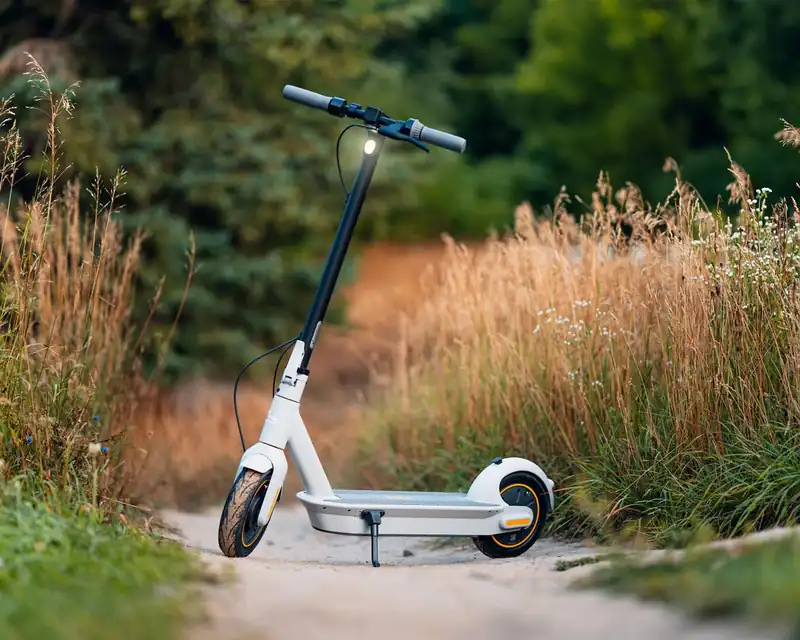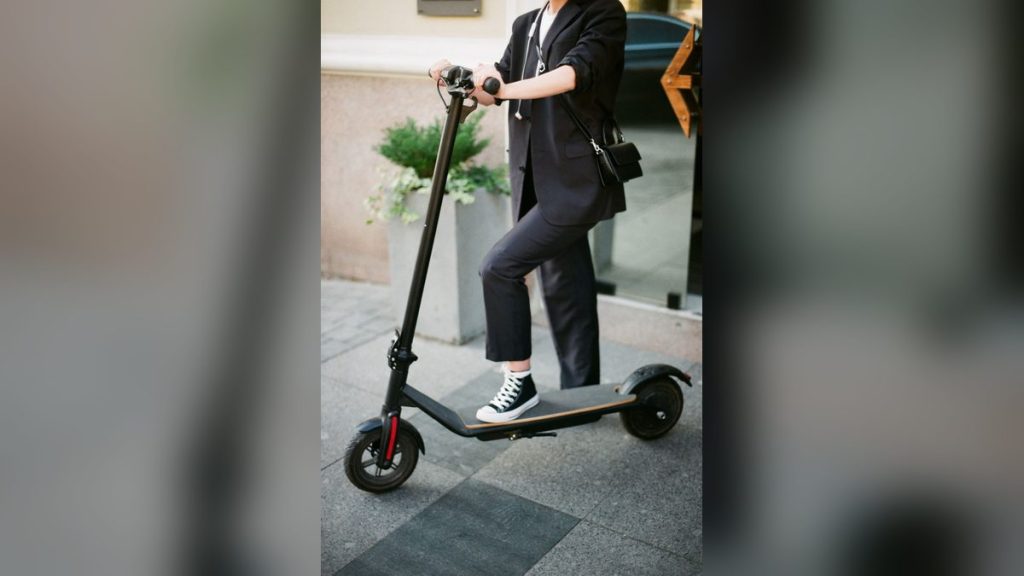
A light, budget-friendly scooter built for smaller riders and first-timers. Here's how the Hover-1 Journey 2.0 really performs on speed, range, and hills.
If you’re shopping for your first scooter and don’t want to spend a fortune, this Hover-1 Journey 2.0 electric scooter review is for you. The Journey 2.0 is one of the most affordable name-brand scooters you can buy, and it’s clearly built with smaller riders and brand-new riders in mind. At around $350, it sits right at the entry-level price. But it still comes with air-filled tires, a real disc brake, and a folding frame that fits in a car trunk.
I’ve dug through hours of hands-on testing from trusted reviewers to give you the honest picture, not just the marketing sheet. The short version? It’s a cheerful, lightweight little scooter that’s genuinely fun for short hops around the neighborhood or across campus. But it also has a couple of real limits you’ll want to know about before you buy, and the biggest one is range.
In this review, we’ll walk through speed, real-world range, ride comfort, braking, folding, and exactly who this scooter fits (and who should look at something bigger). By the end, you’ll know whether the Journey 2.0 belongs in your garage or whether you’d be happier spending a little more.
Hover-1 Journey 2.0 at a Glance
Hover-1 is a budget-friendly brand you’ve probably seen at Walmart, Best Buy, Target, and Amazon. They make hoverboards, e-scooters, and e-bikes aimed at everyday families, not hardcore commuters. The Journey 2.0 sits near the bottom of their scooter lineup, and its whole reason for existing is simple: get a new rider rolling without spending $600 or more.
At about $349.99, the Journey 2.0 undercuts most name-brand commuter scooters. For that money you still get 8.5-inch air-filled tires, a folding steel frame, a headlight, cruise control, and a clear LCD display. It’s UL 2272 certified too, which is the safety standard for the electrical and battery system, and that’s reassuring to see on a cheaper scooter. It also carries a generous 264-pound weight limit, which beats a lot of budget rivals that stop around 200 to 220 pounds.
It comes in four cheerful colors: black, white, neon yellow, and pink. So it reads a little more ‘fun starter scooter’ than ‘serious commuter tool,’ and that’s exactly the point. Hover-1 built this one for smaller adults, teens, and anyone who wants an easy, low-stress way to zip around the block.
| Spec | Detail |
|---|---|
| Motor | 300W brushless front hub (350W peak) |
| Top speed | 15-16 mph (15.7 mph tested) |
| Range | 16 mi claimed / ~9 mi tested |
| Battery | 36V 6Ah lithium-ion (~216Wh) |
| Charge time | About 5 hours |
| Tires | 8.5″ air-filled (pneumatic) |
| Brakes | Rear disc + front electronic, single lever |
| Weight | ~31.6-33.7 lbs |
| Max load | 264 lbs |
| Folded size | 42.5 x 18.1 x 18.4 in |
| Certification | UL 2272 |
| Price | About $349.99 |
Speed and Acceleration: What to Expect
The Journey 2.0 runs on a single brushless hub motor in the front wheel. Hover-1 rates it at 300W, and some listings mention a 350W peak. Either way, this is a modest motor built for flat ground and gentle hills, not for racing. Top speed lands at 15 to 16 mph, and in hands-on testing one reviewer clocked a real 15.7 mph in the faster mode. That’s right on target for the class.
You get two ride modes, and they make a real difference. Low mode caps you around 9 mph, which is perfect for a nervous first-timer, a younger teen, or a crowded sidewalk. High mode opens up the full 15 to 16 mph. There’s also cruise control, so on a longer straight stretch you can hold a steady speed without keeping your thumb pinned on the throttle.
Acceleration is the pleasant surprise here. Testers measured 0 to 15 mph in about 7.9 seconds, which is genuinely peppy for a scooter this cheap. It won’t pin you back, but it pulls away from a stop smoothly and never feels gutless in light traffic. For neighborhood streets, bike lanes, and campus paths, the Journey 2.0 has all the giddy-up most casual riders actually need.
Real-World Range: The 16-Mile Question
Here’s the number to pay close attention to. Hover-1 advertises up to 16 miles of range, but independent testing told a very different story, closer to 8.9 miles on a full charge. That’s a big gap, and it’s the single most important thing to understand before you buy this scooter.
Why the difference? Range claims are almost always measured in ideal conditions: a light rider, flat ground, slow speed, warm weather, and perfect tire pressure. Add a heavier rider, some hills, full-speed riding, or cold air, and the real number drops fast. The Journey 2.0’s battery is a small 36V, 6Ah pack (around 216 watt-hours), so there just isn’t a big reserve to draw from once conditions get tougher.
The honest takeaway: plan for about 8 to 10 real miles per charge. That’s plenty for a short commute, a coffee run, or a loop around the neighborhood. But if your daily round trip is 12 miles, you’ll be recharging every single day and probably sweating the battery meter. A full charge takes about 5 hours, so this is very much an overnight-charge kind of scooter.
Ride Quality, Tires, and Braking
For a $350 scooter, the Journey 2.0 rides better than it has any right to. Two things deserve most of the credit: the tires and the brakes. Together they make it feel planted and safe at its top speed, which matters a lot for the new riders this scooter is aimed at.
Air-filled tires that soak up bumps
The 8.5-inch tires are pneumatic, meaning they’re filled with air like a bicycle tire. Air tires flex over cracks, seams, and small bumps, so the ride feels smoother and less rattly than the solid rubber tires you find on some cheap scooters. Reviewers described the ride as ‘surprisingly smooth,’ with confident cornering and a widened steering column that keeps the front end steady. The one trade-off is that air tires can go flat, so it’s smart to keep a patch kit or spare inner tube on hand.
Braking that punches above its price
The Journey 2.0 uses a single brake lever on the left grip. Pull it and you get both a rear mechanical disc brake and a front electronic (regenerative) brake working at once. Testers rated the stopping power as excellent, and some even called it best-in-class for the price. Strong, predictable brakes are a huge deal on any scooter, especially for beginners, and this is one area where the Journey 2.0 genuinely shines rather than just gets by.
Portability, Folding, and Build
Portability is the Journey 2.0’s other real strength. It weighs only about 31 to 34 pounds depending on the source, which makes it one of the lighter scooters you can buy. That matters when you have to carry it up stairs, lift it onto a bus or train, or heave it into a car trunk after a ride.
Folding is quick and simple. A latch at the base of the stem lets you drop the handlebar column down flat, and the folded size is about 42.5 by 18.1 by 18.4 inches. It’s not the most compact fold on the market, but it slides into most trunks and closets without a fight. The frame is steel, so it feels solid and durable rather than flimsy, which isn’t always a given at this price.
Up top you get a clear LCD display showing your speed, battery level, ride mode, and headlight status. There’s a built-in headlight for low light, though like most budget scooters you’ll still want to add extra lights for real night riding. One thing to note: the handlebar height is just 35.5 inches, the lowest we’ve seen. That’s comfy for shorter riders but cramped if you’re tall, and the deck is a touch narrow for larger feet.
Who Should Buy It (and Who Shouldn’t)
The Journey 2.0 is a specialist, not an all-rounder. It’s a fantastic fit for some riders and the wrong choice for others, so let’s be clear about both sides before you spend your money.
- Smaller and shorter adults, roughly 4’10” to 5’10”, who find full-size scooters too tall
- Teens age 12 and up looking for a safe, easy first scooter (with an adult’s okay)
- Brand-new riders who want a low mode and gentle, forgiving handling
- Short commutes and campus trips under about 8 miles round trip
- Anyone on a tight budget who still wants real air tires and strong brakes
- Riders who need a light scooter to carry onto transit or lift into a trunk
Setup, Charging, and Long-Term Care
Setup is beginner-friendly. The Journey 2.0 arrives mostly assembled, so you’ll typically attach the handlebars with a few screws and the included tool, unfold it, and you’re basically done in 10 to 15 minutes. Charge it fully before that first ride to help the battery start off on the right foot.
Battery care is where a cheap scooter lives or dies. Try not to run the battery all the way to zero and leave it sitting empty for weeks. Top it up after rides, and store it around half to full charge if it won’t be used for a while. Keep it out of freezing cold and blazing heat, both of which shorten battery life and cut into your already-limited range. A full charge takes about 5 hours.
The tires need a little love too. Check the air pressure every few weeks and keep it in the range printed on the tire, because proper pressure protects against flats and keeps your range up. Wipe the scooter down to clean it instead of hosing it, since it isn’t waterproof, and steer clear of deep puddles. Hover-1 backs the Journey 2.0 with a 6-month limited parts-and-labor warranty, so register it and hold onto your receipt in case something fails early.
| Metric | Hover-1 Claim | Real-World Result |
|---|---|---|
| Range | 16 miles | ~8.9 miles |
| Top speed | 15-16 mph | 15.7 mph |
| 0-15 mph | Not stated | ~7.9 seconds |
| Steep 10% hill | Marketed as hill-ready | Struggles / slows |
| Charge time | ~5 hours | ~5 hours |
| Model | Motor | Top Speed | Range (claimed) | Price |
|---|---|---|---|---|
| Journey (original) | 300W single | 14-15 mph | 16 mi | ~$300 |
| Journey 2.0 | 300W single | 15-16 mph | 16 mi | ~$350 |
| Journey Max | 700W dual | 19 mph | 26 mi | ~$500 |
Common Mistakes (and How to Fix Them)
Fix: Plan for about 8 to 10 real miles per charge. Match your commute to that real number, not the sticker claim, and charge overnight so you never start the day low.
Fix: The 35.5-inch handlebar suits riders 4’10” to 5’10”. If you’re taller than 5’10” or close to the 264 lb limit, pick a bigger scooter so you’re not cramped and slow.
Fix: The air-filled tires slowly lose pressure. Check the PSI every few weeks and keep it in the printed range to prevent flats and stop your range from dropping.
Fix: The small motor handles gentle 4-6% grades but bogs down on steep 10% climbs. Take flatter routes, or step up to the Journey Max if your area is hilly.
Pro Tips
- 💡 Start in Low mode (about 9 mph) for your first few rides, then switch to High once you’re confident braking and steering.
- 💡 Charge fully before the first ride and top up after each trip. Keeping the battery healthy protects your already-limited range.
- 💡 Add clip-on lights front and rear if you ride at dusk. The built-in headlight helps you be seen but isn’t bright enough to light a dark path.
- 💡 Keep a tire patch kit or spare inner tube handy. Air tires ride smoother but can flat, and being ready saves you a long walk home.
- 💡 Fold and carry the scooter by the stem, not the throttle side, so you don’t twist the display or cables over time.
A Real-Life Example
Picture a college sophomore who lives a mile and a half from campus. She’s 5’2″, tired of waiting for the bus, and doesn’t have $600 to spend. The Journey 2.0 is almost perfect for her. It’s light enough to carry up to her dorm room, the low handlebar fits her height, and a mile-and-a-half each way barely dents the battery. She charges it overnight twice a week and never thinks about range.
Now picture her 6’1″ roommate borrowing it. He feels hunched over the low bars, the deck is tight under his feet, and on the one big hill between campus and downtown the scooter slows to a crawl. Same scooter, totally different experience, which is exactly why fit matters so much with this model.
Frequently Asked Questions
The Journey 2.0 tops out at 15 to 16 mph in its high-speed mode, and testers measured a real top speed of about 15.7 mph. It also has a low mode capped near 9 mph for new or younger riders. That’s fast enough for sidewalks, bike lanes, and quiet streets, but it isn’t built to keep up with fast car traffic.
Expect about 8 to 10 miles per charge in the real world, even though Hover-1 advertises up to 16 miles. The gap comes from rider weight, hills, riding speed, and cold weather, which all shrink range. Plan your trips around 9 miles to stay safe, and remember a full charge takes roughly 5 hours.
Yes, but mainly for smaller adults roughly 4’10” to 5’10” tall. The low 35.5-inch handlebar and narrow deck feel cramped for taller riders. If you’re under 5’10” and want a light, affordable scooter for short trips, it’s a great fit. Taller or heavier riders should size up to a bigger model.
It handles gentle hills of about 4 to 6 percent just fine, but it struggles on steep 10 percent grades. The 300W motor is really built for mostly flat ground. If you live somewhere hilly, you’ll be much happier with a stronger scooter like the Journey Max or another dual-motor model.
For the right rider, yes. It’s one of the best-braked, most portable scooters you can get for around $350. It’s worth it if you’re a smaller or brand-new rider taking short, flat trips. It’s not worth it if you need long range, steep-hill power, or high speed, since a bigger scooter will serve you far better.
No, the Journey 2.0 is not waterproof and has no official water-resistance rating. Light moisture won’t instantly ruin it, but you should avoid riding in rain and never roll through deep puddles. Wipe it down to clean it instead of spraying it with water, and always store it indoors.
Final Checklist ✅
- ✅ Confirm the listing says ‘Journey 2.0,’ not the original Journey or the Journey Max
- ✅ Measure your height and make sure you’re roughly 4’10” to 5’10” for a comfortable fit
- ✅ Add up your round-trip distance and keep it under about 8 miles
- ✅ Check that your usual route is mostly flat, with no long steep hills
- ✅ Charge the scooter fully before your very first ride
- ✅ Set the display to Low mode until you’re comfortable braking and turning
- ✅ Register the 6-month warranty and keep your receipt somewhere safe