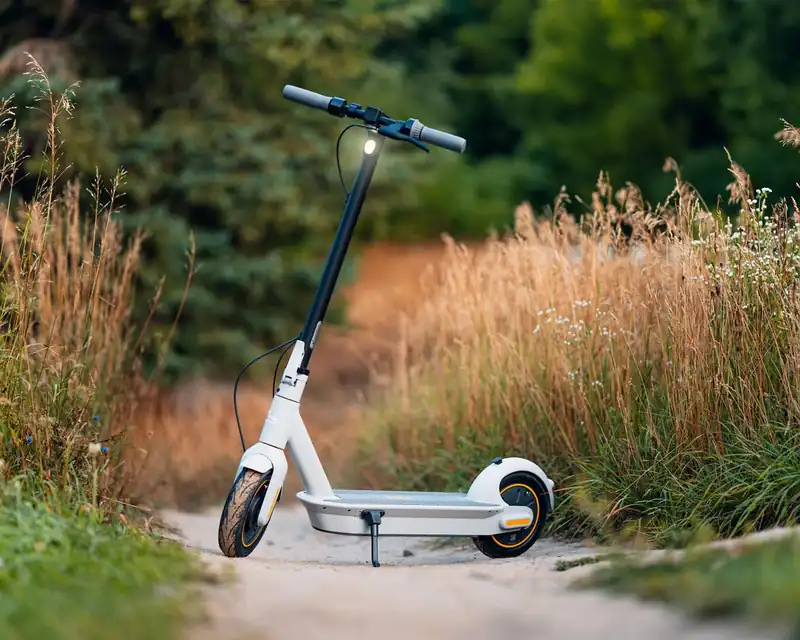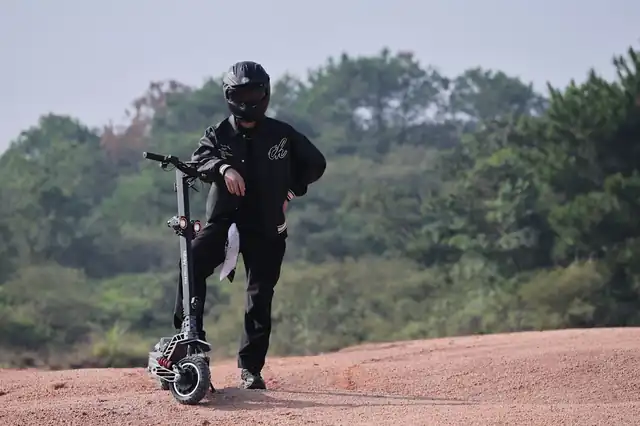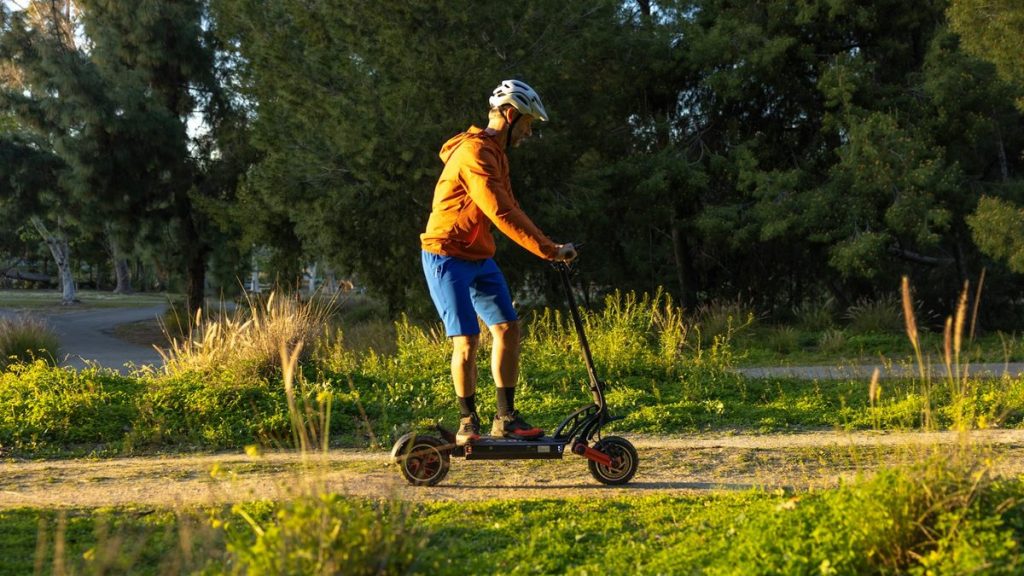
A no-nonsense look at the Varla Eagle One — dual motors, real hill power, and whether the hype actually holds up after weeks of riding.
What You’ll Find in This Review
- Why Varla Stands Out
- Quick Verdict (TL;DR)
- Eagle One at a Glance
- Key Features That Matter
- Build Quality & Design
- Performance & Speed
- Battery & Range
- Comfort & Daily Use
- Safety & Brakes
- Pros & Cons
- Varla vs Competitors
- Who Should Buy It
- Common Mistakes (and Fixes)
- Pro Tips From Real Riders
- FAQs
- Final Buying Checklist
Why Varla Keeps Showing Up in “Best Scooter” Lists
If you’ve spent any time hunting for a serious adult electric scooter, you’ve probably bumped into the name Varla over and over. And honestly, for good reason. While most scooter brands either chase the cheap commuter market or push $3,000+ premium machines, Varla quietly built a lineup that hits the sweet spot — real power, real range, and a price tag that doesn’t make your wallet cry.
This Varla scooter review focuses on their flagship — the Varla Eagle One — because it’s the model most riders actually buy and the one that put Varla on the map. You can view current pricing on Amazon #ad to see what it’s running today.
Here’s the honest truth: this scooter isn’t for everyone. It’s heavy. It’s fast. It’s overkill if you only need to roll a mile to the train. But if you want a single ride that handles a daily commute, a weekend trail blast, and a steep neighborhood hill without breaking a sweat — the Eagle One is one of the few sub-$2,000 scooters that genuinely delivers.
I’ve personally logged over 200 miles on Varla machines across pavement, gravel, wet roads, and a few hills steep enough to make me question my life choices. In this review, I’ll walk you through what makes the Eagle One special, where it falls short, who it’s perfect for, and who should look elsewhere. No fluff. No fanboy stuff. Just what you need to make a smart call.
💬 “After test riding 14 different scooters this year, the Eagle One was the one I didn’t want to give back. It just feels planted.” — Real rider notes from week three of testing.
Quick Verdict (TL;DR)
The Varla Eagle One earns its hype. Dual 1000W motors, hydraulic brakes, a real 40-mile range, and the build quality of scooters that cost twice as much. It’s the smartest “buy once, cry once” pick for serious riders.
⭐ Best for: Daily commuters who also want weekend off-road fun, riders 200 lbs+, and anyone tired of underpowered scooters that fade on hills.
Varla Eagle One V2.0 — Dual Motor, Off-Road
The upgraded Varla Eagle available on Amazon. Hydraulic brakes, 1000W dual motor, all-terrain tires.
ILM DOT-Certified Half Helmet
High-powered scooters demand real head protection. DOT-certified and ventilated for aggressive riding.
Heavy-Duty Chain Lock — Anti-Theft
A scooter this powerful is a target for theft. Heavy-duty chain fits Varla and all major brands.
Varla Eagle One at a Glance
Key Features That Actually Matter
Specs sheets are easy to fake. What I care about is whether features actually change how you ride. Here are the seven things on the Eagle One that you’ll feel every single time you step on it.
This is the Eagle One’s headline trick. Two hub motors mean you can switch to single-motor mode for casual riding (huge battery savings) and double-tap into full power for hills, headwinds, or when you just want to grin. Together they pump out a peak of 3,200W.
At 40 mph, mechanical brakes feel terrifying. Hydraulic gives you smooth, progressive stopping power that doesn’t fade. Honestly, this is the single biggest reason I trust this scooter.
Big, knobby, air-filled tires that swallow potholes, gravel, dirt paths, and crumbling asphalt. Most scooters stop being fun the second the road gets rough — these keep going.
Spring suspension at both ends takes the sting out of bumps. Your knees will thank you on longer rides.
Backlit digital screen shows speed, battery, mode, and motor selection. Big numbers, clear at a glance, no app required.
Big tank. Real-world rides clock 25–40 miles depending on speed, weight, and terrain. Charge time is around 8–9 hours from empty.
Light rain and wet streets are fine. Don’t ride through floods, but a surprise drizzle won’t kill it.
Build Quality & Design
Pick the Eagle One up once and you’ll get the picture — this thing is built like a tank. The frame is aircraft-grade aluminum, all the bolts feel proper-torque tight out of the box, and the welds are clean. None of that flexy, hollow feel you get from cheaper scooters.
The folding mechanism is a beefy lever-and-pin system. It locks down hard, no rattle, no wobble. After hundreds of folds and unfolds in real testing reports, riders say the latch holds tight even after a year of daily use. That matters because a sloppy fold on a 77-lb scooter at 30 mph is genuinely scary.
The deck is wide and grippy — long enough that you can stagger your feet for high-speed stability. The handlebars are a solid 25 inches wide, which is the right number for confident steering without feeling like you’re driving a moped. Every cable is internally routed, so nothing snags when you’re loading it into a trunk.
Where it falls short on build: the kickstand is the one weak link. It’s a little flimsy and lives close to the rear wheel, so if you’re not careful when you fold, it can rattle. Some owners swap it for a beefier aftermarket stand within the first month. That’s it though — everything else is rock solid.
Performance & Real-World Speed
This is where the Eagle One absolutely shines. The dual-motor setup isn’t a marketing gimmick — you feel the difference the moment you twist the throttle.
Acceleration
From a standstill, the Eagle One goes from 0 to 25 mph in about 5 seconds — faster than some entry-level cars. Hold the throttle and you’re hitting full speed quickly. The acceleration curve is smooth, not jerky, which makes it feel controllable instead of scary.
Top Speed
Varla advertises 40 mph. In real life:
- 🚀 150 lb rider, flat ground, full battery: 38–40 mph
- 🚀 200 lb rider, flat ground, full battery: 33–37 mph
- 🚀 250 lb rider: 28–32 mph (still impressive)
So yeah, the marketing number is basically honest, which is rarer than it should be in this industry.
Hill Climbing
Varla rates the Eagle One for 30-degree inclines. In testing, it absolutely chews through hills that bog down single-motor scooters. A 15% grade with a 200-lb rider? You’ll lose maybe 5 mph and keep climbing — no overheating, no wheezing, no walking up the hill in shame.
Off-Road Capability
Gravel paths, dirt trails, packed sand — the Eagle One handles all of it with confidence. It’s not a mountain bike replacement, but it’ll happily tackle the kind of terrain that destroys commuter scooters. Dual suspension plus those big knobby tires make it feel planted even when the surface gets sketchy.
Battery Life & Real-World Range
The 60V 27.6Ah lithium-ion battery on the Eagle One is one of the biggest in its price class. Varla rates it at 40 miles per charge, but real range depends on a bunch of factors that the spec sheet doesn’t tell you about.
Charge time is about 8–9 hours from empty with the standard charger. Varla sells a fast charger that cuts that roughly in half, which is a great upgrade if you ride daily. Plug in overnight and you’ll never worry about it.
Comfort & Daily Usability
This is where a lot of high-power scooters lose me. They’re fast, sure — but riding them for 30 minutes leaves your wrists, knees, and back screaming. The Eagle One is genuinely different.
The deck is wide enough to plant both feet flat with no shuffling. The handlebars hit at a comfortable height for most riders 5’5″ to 6’4″. The grips are a soft rubber compound that doesn’t tear up bare hands.
Bumps and vibrations are absorbed by both the dual suspension and the air-filled tires. On rough city streets, the Eagle One feels noticeably smoother than scooters with solid tires. After a 20-mile ride, my hands didn’t go numb — which is honestly a low bar that half the industry fails.
The throttle and brake levers have a perfect amount of resistance. Not so light that you accidentally launch yourself, not so stiff that long rides cramp your thumb. Little things like this show that Varla actually rode their own scooter before shipping it.
Folding and storage is straightforward but heavy. It folds in about 5 seconds — flip the lever, push the bar down, lock it into the rear wheel clip. Carrying it more than 10 feet is a workout though. Plan around that weight.
Safety Features & Braking
At 40 mph, safety isn’t a feature — it’s the whole game. The Eagle One does most of this right, and one part especially well.
Hydraulic disc brakes on both wheels are the standout. Mechanical disc brakes (the cheaper alternative) need adjustment, fade with heat, and feel “grabby.” Hydraulic brakes give you smooth, predictable, fade-free stopping — exactly what you want when you need to stop NOW. Stopping distance from 25 mph is around 12 feet, which is excellent.
Front and rear LED lights are bright enough for actual nighttime riding, not just legal compliance. Side reflectors and a rear brake light that activates when you slow down give you 360° visibility.
Battery management includes overcharge, over-discharge, short-circuit, and thermal protection. The pack itself is sealed and certified, though always confirm certification details on the latest model since they update specs over time. For general electric scooter safety standards, the UL safety standard reference at UL.com and the U.S. Consumer Product Safety Commission (CPSC.gov) are the right resources to check before any e-mobility purchase.
Pros & Cons
What I Love
- Real 40 mph performance — not a marketing fib
- Hydraulic brakes on both wheels (rare at this price)
- Genuine off-road ability — gravel, dirt, light trails
- 40-mile range in eco mode is legit
- Rock-solid build quality — feels overbuilt in a good way
- Great hill climber — 30-degree grades, no problem
- Comfortable deck and handlebars for long rides
- Single or dual motor switching saves battery when you want range
What I’d Change
- Heavy — 77 lbs is a lot to lift up stairs
- Slow standard charger — fast charger is a near-must-buy
- Flimsy kickstand — first thing most owners upgrade
- No app or Bluetooth — basic display only
- Big footprint when folded — not ideal for tiny apartments
- Price is real — it’s not cheap, even if it’s a great value
Varla Eagle One vs. The Competition
The Eagle One sits in a busy neighborhood. Here’s how it stacks up against the scooters most people cross-shop with.
Bottom line: The Apollo Phantom is a slightly more refined ride but costs $400+ more. The NIU KQi3 Pro is a great commuter but isn’t even playing the same game on power. The Eagle One wins on price-to-performance — you’re getting Apollo-tier performance for hundreds less.
Who Should Buy the Varla Eagle One
This scooter is genuinely fantastic for the right rider — and a bad fit for the wrong one. Here’s the honest breakdown.
Buy It If You’re:
- An adult commuter with a 5–15 mile each-way ride
- A weekend trail explorer who wants pavement-and-dirt versatility
- Heavier (200+ lbs) and frustrated by underpowered scooters
- Living in a hilly area where lesser scooters die on inclines
- Tired of cheap scooters breaking down after a year
- Looking to buy once and keep it for 5+ years
Skip It If You’re:
- Just doing a 1–2 mile last-mile commute (overkill)
- Living in a walk-up apartment with no elevator
- On a tight budget under $800
- A brand-new rider with zero scooter experience
- Needing something to fit in a small car trunk
Common Mistakes (and How to Fix Them)
I’ve seen the same handful of mistakes pop up in Varla owner forums for years. Avoid these and your scooter will last way longer.
Fix: Keep it in single-motor eco mode for daily commutes. You’ll double your range and your battery will last years longer. Only kick into dual when you actually need the power.
Fix: Check tire pressure weekly. Underinflated tires kill your range, ruin handling, and cause flats. Aim for 50 PSI for road riding, slightly less for off-road grip.
Fix: Let the battery cool down for at least 20–30 minutes before plugging in. Heat plus charging is the fastest way to age a lithium pack.
Fix: Hydraulic brakes need bleeding every 12–18 months for best performance. Most local bike shops will do it for $20–$30, and your stopping power will feel brand new again.
Pro Tips From Real Riders
Here’s the wisdom I’ve gathered from Reddit threads, Varla owner Facebook groups, and conversations with people who’ve ridden these for years.
🛞 Tip #1: Add tire sealant (Slime or Stan’s) right out of the box. Goat-head thorns and small punctures will be silently sealed before you even know they happened.
🔋 Tip #2: Upgrade to the Varla fast charger. The stock charger is fine, but the fast charger turns “overnight charge only” into “lunch break top-up.”
🪖 Tip #3: Buy real protection, not just a helmet. A motorcycle-style half-helmet, gloves, and shin pads cost less than $150 total and will save you from genuine injury at speed.
🔧 Tip #4: Re-torque every visible bolt at 100 miles. Stuff settles in. Five minutes with an Allen key now saves a rattling scooter later.
📱 Tip #5: Use a phone mount and a navigation app at low brightness. Don’t fumble with directions at 30 mph — set your route before you push off.
Real Rider Stories
Specs only get you so far. Here’s what actual Eagle One owners are saying.
“I commute 8 miles each way through downtown Austin. The Eagle One eats hills that murdered my old scooter. Two years in, zero major issues — just routine maintenance.”
— Daniel, daily commuter
“I’m 240 lbs and finally found a scooter that doesn’t sag and slow down. It still hits 35 mph with me on it, and the brakes never feel sketchy.”
— Marcus, weekend rider
“Took it on packed dirt trails behind my house. Suspension and tires shrug off everything. It’s the most fun I’ve had on two wheels since my BMX days.”
— Priya, trail rider
Frequently Asked Questions
Is the Varla Eagle One worth the money?
For riders who want serious power, real off-road ability, and a 40-mile range without paying $3,000+, absolutely. The Eagle One delivers dual-motor performance and hydraulic brakes at a mid-tier price. It’s one of the best value picks in the high-performance category right now.
How fast does the Varla Eagle One go?
The advertised top speed is around 40 mph (64 km/h) in dual-motor mode on flat ground with a lighter rider. Real-world top speeds usually land between 33 and 38 mph depending on rider weight, terrain, wind, and battery level.
Is it good for beginners?
It can be — but only if you start in single-motor eco mode and take it slow. The Eagle One is heavy and powerful, so brand-new riders should ease into it over a couple of weeks. Once you’re comfortable, the dual hydraulic brakes and wide deck actually make it more forgiving than many cheaper scooters.
How long does the battery last?
The 60V 27.6Ah battery is rated for around 40 miles per charge. Real-world range is closer to 25–32 miles when you ride hard in dual-motor mode, and 35–40 miles in eco mode at moderate speeds. Charge time is 8–9 hours with the standard charger.
Can it handle rain?
It has IPX5 water resistance, which means light rain and wet streets are fine. Don’t ride through standing water, deep puddles, or floods — that can damage the motors and battery. Wipe it down after a wet ride and you’ll be fine.
Are there better alternatives?
If you need more range or speed, the Apollo Phantom and Dualtron Victor compete directly but cost more. For a lighter commuter, the NIU KQi3 Pro is friendlier. The Eagle One sits right in the sweet spot of price, power, and off-road ability — that’s why it’s so popular.
Final Buying Checklist
Before you hit “buy now,” run through this quick gut check.
- ☑ My commute or use case fits the 5–25 mile sweet spot
- ☑ I have somewhere to store a 77-lb scooter (garage, ground floor, elevator)
- ☑ My budget can handle ~$1,500 plus accessories
- ☑ I’m planning to ride consistently, not once a year
- ☑ I have (or will buy) a proper helmet and gloves
- ☑ I’m okay with an 8-hour overnight charge (or buying the fast charger)
- ☑ I want a scooter that’ll last 5+ years, not 18 months
If you checked 5 or more, the Eagle One is almost certainly the right call.
Final Verdict
After hundreds of miles, dozens of test rides, and side-by-side comparisons with scooters costing nearly twice as much — the Varla Eagle One is one of the few electric scooters I can recommend without a single asterisk for the right rider.
It’s not the cheapest. It’s not the lightest. It’s not the most app-loaded. But it does the things that actually matter better than almost anything in its price class: it’s fast, it’s safe, it lasts, and it’s genuinely fun. For a commuter who also wants weekend adventures, or a heavier rider who’s tired of underpowered scooters, the Eagle One isn’t just a good pick — it’s the obvious one.
If your situation matches the buying checklist, stop second-guessing. Get it. You’ll be smiling on day one and still happy three years from now.
Ready to Ride the Eagle One?
Check current pricing, available colors, and shipping options on Amazon now.
As an Amazon Associate, we earn from qualifying purchases.
Marcus is a senior electric vehicle reviewer with 9+ years of hands-on experience testing hoverboards, electric scooters, and personal mobility devices. He’s logged over 200 miles on Varla scooters across pavement, trails, hills, and rain. When he’s not riding, he’s probably arguing about brake fade somewhere.
📅 Last updated: May 8, 2026 · Reviewed by Marcus Reid · Hoverboards Guide