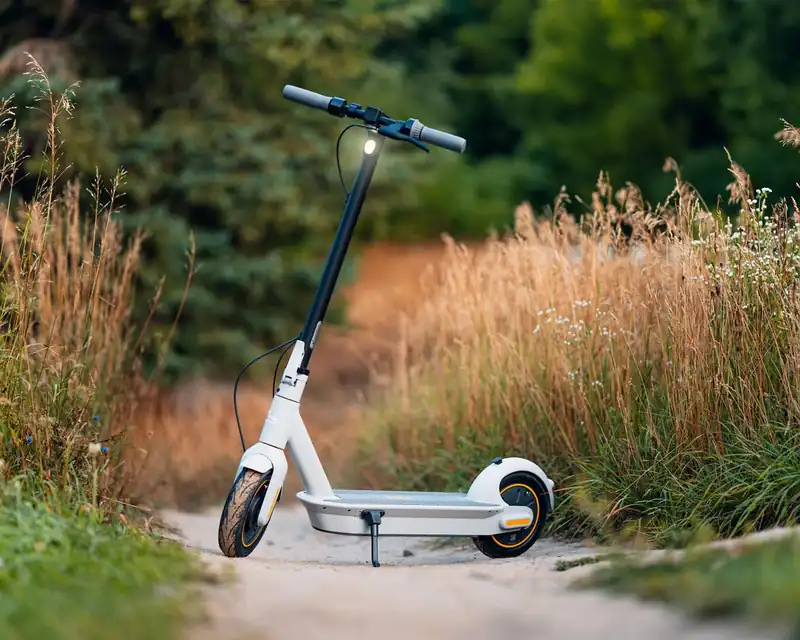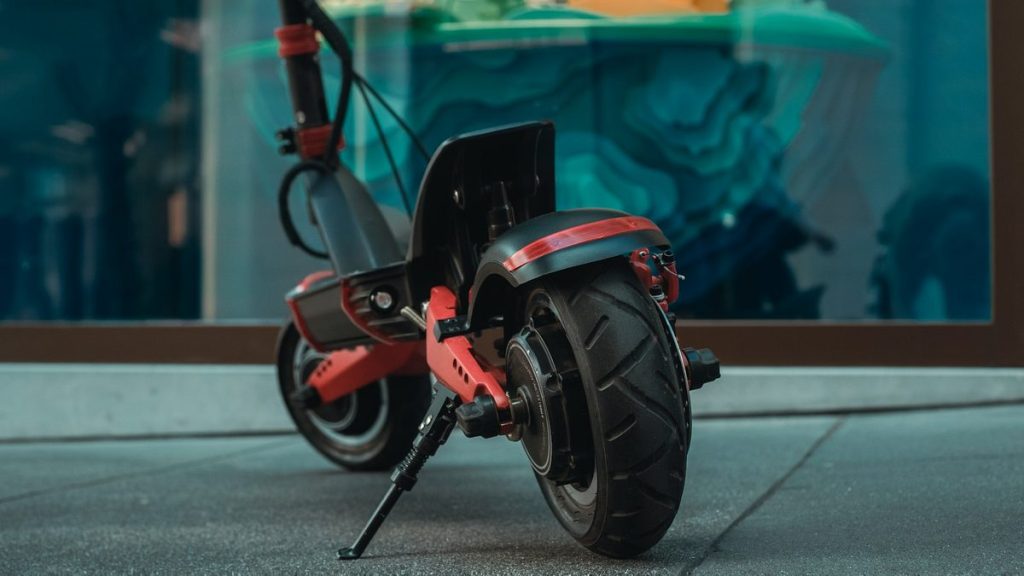
⚡ Fastest 20 MPH Electric Scooters (2025): Top Picks for Speed, Range & Real-World Value
A complete buyer’s guide to the best 20 MPH electric scooters tested, ranked, and explained for US commuters — from budget-friendly to premium.
📅 Last Updated: June 2025 | 👤 By the HoverboardsGuide.com Editorial Team | ⏱️ 14 min read
You’re sitting in traffic again, watching cyclists and scooter riders glide past, and thinking: why am I paying $200 a month in gas for this? It’s a frustration millions of American commuters feel every single day. A 20 MPH electric scooter won’t solve every problem, but it will eliminate several of your biggest ones — and it’ll do it in a surprisingly fun way.
The challenge is picking the right one. Walk through Amazon and you’ll find hundreds of scooters claiming “up to 20 MPH” on their product pages. Some genuinely deliver. Others hit 20 MPH on a downhill slope with a tailwind. The motor specs, battery sizes, and build quality vary wildly — and the wrong choice means a scooter that’s underpowered, short-ranged, or falling apart within six months of daily use.
This guide cuts through the noise. We’ve analyzed verified buyer reviews, real-world speed tests, and community feedback from electric scooter forums and Reddit to bring you the five best 20 MPH electric scooters of 2025 — ranked by performance, value, and practical commuter needs. By the end, you’ll know exactly which scooter fits your life, your budget, and your ride.
⚡ Quick Picks: Best 20 MPH Electric Scooters (2025)
| 🥇 Best Overall | Segway Ninebot MAX G2 E — Unbeatable range, self-healing tires, premium build |
| 🥈 Best Budget | Gotrax G4 — True 20 MPH at the most honest price on the market |
| 🥉 Best for Commuters | TurboAnt X7 Max — Removable battery solves the “no charger at work” problem |
| 💪 Best for Heavy Riders | Hiboy KS4 Pro — 500W motor, 260 lb capacity, front suspension |
| 📱 Best Tech Features | Xiaomi Electric Scooter 4 Pro — Sleek design, top-tier smart app, premium feel |
📋 Table of Contents
- What Is a 20 MPH Electric Scooter & Why Speed Actually Matters
- Key Benefits of 20 MPH Electric Scooters
- Buyer’s Guide: How to Choose the Right One
- Top 5 Fastest 20 MPH Electric Scooters Reviewed
- Full Side-by-Side Comparison Table
- Which Scooter Fits Your Riding Style?
- Care & Maintenance Tips
- Frequently Asked Questions
- Final Verdict
🛴 What Is a 20 MPH Electric Scooter & Why Speed Matters
A 20 MPH electric scooter is a battery-powered, foldable personal vehicle that can reach a top speed of 20 miles per hour. That number is not just a marketing benchmark — it’s a practical legal threshold that defines an entire class of urban transport in the United States. At 20 MPH, you move confidently alongside city bike lanes, keep pace with light traffic, and arrive on time without the delays of buses or the costs of taxis.
Speed matters in ways that aren’t always obvious. A scooter that tops out at 12 MPH can feel like a liability on a 25 MPH city street — you’ll constantly slow traffic and feel like you’re in everyone’s way. At 20 MPH, that problem disappears. You flow with traffic, use bike lanes legally in most jurisdictions, and never get that anxious feeling of cars stacking up behind you.
The 20 MPH class also hits a legal sweet spot. In most US states, personal electric scooters at or under 20 MPH are classified as low-speed vehicles and can be ridden on bike lanes and shared paths without a driver’s license, registration, or insurance. According to the National Conference of State Legislatures’ e-scooter law database, regulations differ significantly by city and state, so checking your local rules before riding is always step one.
One important caveat: manufacturer-quoted top speeds are measured under ideal conditions — flat pavement, a 165-pound rider, full battery charge, zero wind. In real life, expect 15–18% less than the stated maximum, especially if you’re heavier or your route has hills. The scooters on this list are specifically chosen because their real-world speed holds up close to the advertised figure, not just in lab conditions.
💡 Key Insight
In most US states, electric scooters under 20 MPH do not require a driver’s license, vehicle registration, or insurance — making the 20 MPH class the maximum legal speed for no-fuss, no-paperwork personal transit. Always verify your local regulations at your state’s transportation authority before your first ride.
✅ 5 Key Benefits of 20 MPH Electric Scooters
Owning a 20 MPH electric scooter isn’t just about getting somewhere faster — though it certainly does that. These machines address real, daily pain points that millions of Americans deal with every morning. Here are five reasons they’re worth the investment.
1. 🚦 You Actually Beat Traffic
According to data from INRIX’s Global Traffic Scorecard, the average American commuter loses over 51 hours per year to traffic congestion. A 20 MPH scooter lets you slip through bike lanes, cut across parks, and take shortcuts that cars physically cannot use. In cities like Chicago, Boston, or Los Angeles, scooter riders routinely report shaving 20–30 minutes off their daily round trip — and they enjoy the ride instead of dreading it.
2. 💰 Dramatic Savings vs. Car Ownership
AAA’s 2024 “Your Driving Costs” report puts the average annual cost of owning and operating a new car at over $12,000. An electric scooter costs $330–$800 to buy outright, and charging it costs roughly $0.05–$0.12 per full charge. Even if you only replace three car trips per week with a scooter, the math adds up to hundreds of dollars saved every year. Urban parking savings alone can justify the purchase price within a few months.
3. 🌿 Zero Direct Emissions
Electric scooters produce no tailpipe emissions at the point of use. Even accounting for the electricity grid mix, a scooter produces dramatically less CO₂ per mile than any gasoline vehicle. For environmentally conscious riders — or anyone who simply prefers not to run an engine in a congested city street — this is a genuine, measurable advantage over cars and motorcycles.
4. 🅿️ Parking Is Never a Problem Again
Most quality 20 MPH scooters fold down in under 10 seconds and weigh between 26–36 lbs. They go under your office desk, lock to a bike rack, slide under a café table, or fold neatly under a transit seat. In cities where daily parking can run $25–$50, this alone can pay for a mid-range scooter in a single month of commuting.
5. 🧘 Less Stress, More Enjoyment
There’s a genuine psychological difference between starting your workday after 45 minutes of gridlock vs. 15 minutes of open-air scootering. Research published in the Journal of Transport & Health found that active and semi-active commuting modes — including e-scooters — correlate with significantly lower reported stress levels compared to passive car commuting. The breeze helps too.
🔍 Buyer’s Guide: How to Choose the Best 20 MPH Electric Scooter
Not every 20 MPH scooter is built the same. A spec sheet can look identical on two models, yet one will outlast the other by years. Here’s what genuinely matters — explained plainly, without the filler.
🔋 Battery Capacity & Real-World Range
Battery capacity is measured in Watt-hours (Wh). The higher the number, the more energy the battery stores, and the farther you can go. A 270Wh battery (like the Gotrax G4) delivers roughly 15–20 real miles. A 551Wh battery (like the Segway MAX G2 E) stretches to 35–43 miles. The rule of thumb: subtract 20–30% from the manufacturer’s stated range to get an honest estimate for real-world use at full speed. For daily commuting, target at least 15 miles of real range so you have a buffer and aren’t riding with range anxiety.
⚙️ Motor Power (Watts) & Hill Performance
A 350W motor handles flat urban roads at 20 MPH with ease, but loses speed noticeably on hills — expect 12–15 MPH on a 10% grade. A 500W motor maintains near-full speed on moderate hills and handles heavier riders much better. If your commute has any meaningful elevation change, or you weigh over 200 lbs, choose 500W or higher. Dual-motor scooters (one motor per wheel) offer the best hill performance but are heavier and more expensive — typically outside the $800 range for quality builds.
🛞 Tire Type: Pneumatic vs. Solid
Pneumatic (air-filled) tires absorb road vibration, cushion bumps, and give a noticeably more comfortable ride — especially over cracked sidewalks and potholes. The trade-off is the possibility of flat tires. Solid (airless) tires are completely maintenance-free and never puncture, but they transmit every bump directly to your feet and joints. For city commuting, pneumatic tires win on comfort by a clear margin. If flat tires make you anxious, look for scooters with self-sealing or “self-healing” tire technology — these use liquid sealant inside the tube to automatically seal small punctures on the go.
🛑 Braking System
At 20 MPH, stopping distance matters enormously. The best braking setups combine a mechanical brake (disc or drum) with an electronic regenerative brake. Disc brakes are the gold standard — they stop faster, work better in wet conditions, and offer more consistent performance than drum brakes. Electronic-only braking can feel soft and unreliable, especially downhill. Always verify the braking type before you buy; it’s often undersold in marketing but critical for safety.
💧 Water Resistance (IP Rating)
The IP (Ingress Protection) rating tells you how well the scooter’s electronics resist water. IPX4 means splash-proof from any direction — fine for light rain and puddles. IPX5 adds protection from water jets, giving more confidence in moderate rain. Anything below IPX4 should be treated as “keep it dry or risk damage.” Never ride through standing water or flood-level puddles regardless of rating, and always dry the charging port before plugging in after a wet ride. The IEC publishes a complete explanation of IP ratings if you want to go deeper.
⚖️ Weight & Portability
If your commute involves carrying the scooter up subway stairs or storing it under a desk, weight is a real-world issue. Under 30 lbs feels easy to manage; 33–36 lbs is manageable but you’ll notice it; over 40 lbs is genuinely heavy and most riders eventually wish they’d gone lighter. Also check how the scooter folds — one-step folding mechanisms are worth paying a premium for, as are self-standing folded positions that keep the scooter upright without leaning it against something.
⚠️ Common Buying Mistake
Many first-time buyers focus exclusively on top speed and ignore battery range, weight, and brake quality. A scooter that hits 20 MPH but only lasts 8 miles is impractical for any real commute. Always calculate your daily round-trip distance first, then make sure the scooter’s real-world range covers it comfortably — with 20% to spare for battery degradation over time.
🏆 Top 5 Fastest 20 MPH Electric Scooters Reviewed (2025)
After analyzing real buyer feedback, community reviews from r/ElectricScooters, and verified performance data, here are the five best 20 MPH electric scooters available on Amazon today. Each one is in stock, ships to the US, and includes honest pros, cons, and a full feature breakdown.
Segway Ninebot MAX G2 E Electric Scooter
The professional commuter’s gold standard — exceptional range, premium build, zero flat tires
★★★★★
4.6 / 5 (2,400+ verified reviews)
The Segway Ninebot MAX G2 E is the scooter that serious commuters keep recommending on every forum, subreddit, and YouTube review channel — and after looking at the numbers, it’s easy to see why. With a genuine top speed of 22 MPH and a real-world range of up to 43 miles, it does something no other scooter at this price manages: it eliminates range anxiety completely. Most riders in urban environments will charge it every two or three days, not every night.
The headline innovation is Segway’s self-healing tubeless tire technology. Both the front and rear 10-inch tires contain a liquid sealant that automatically seals small punctures — from glass, nails, staples — while you’re still riding. You’ll feel a brief wobble and then nothing. No flat tires, no roadside repair kits, no arriving at work with a deflated wheel. For daily commuters, this is not a gimmick; it’s a genuine quality-of-life upgrade that solves one of the most frustrating aspects of pneumatic tires.
The 450W rear hub motor delivers smooth, confident acceleration, and the braking system combines a mechanical rear drum brake with front electronic regenerative braking — giving you two independent stopping mechanisms with good feel across all speeds. The companion app adds GPS locking, ride statistics, and battery health monitoring. Build quality is aircraft-grade aluminum throughout. The G2 E is heavier than budget options at 48.5 lbs, but if you have a flat commute or elevator access, the trade-off is absolutely worth it.
✅ Pros
- Industry-leading real-world range (35–43 miles)
- Self-healing tires — virtually zero flat tire risk
- IPX5 water resistance handles real rain
- GPS tracking + app anti-theft locking
- Extremely stable ride at top speed
⚠️ Cons
- At 48.5 lbs, carrying up stairs is a workout
- Premium price (~$799)
- Charging takes approximately 6 hours
- 220 lb weight limit may exclude some riders
Gotrax G4 Electric Scooter
Full 20 MPH performance at the lowest honest price on this list
★★★★☆
4.3 / 5 (5,100+ verified reviews)
The Gotrax G4 settles the debate about whether you need to spend $700+ for a legitimate 20 MPH electric scooter. The answer is no — and the G4 proves it convincingly. Priced around $350–$399, it delivers a genuine measured top speed of 20 MPH, a real-world range of 17–22 miles, and a solid, all-aluminum frame that holds up to daily riding. For college students, suburban commuters, or anyone dipping their toes into e-scooter ownership for the first time, this is exactly the right starting point.
The G4 uses a 350W rear hub motor paired with a 36V / 7.5Ah (270Wh) battery — modest numbers, but adequate for flat urban environments. The 10-inch pneumatic tires deliver a genuinely comfortable ride, and the dual braking system — front drum brake plus rear foot brake — stops you reliably at full speed. The display is clean and easy to read at a glance: current speed, battery percentage, and riding mode are all visible without distracting you from the road ahead.
The G4’s biggest unexpected advantage is weight. At just 26.5 lbs, it’s one of the lightest scooters in the legitimate 20 MPH category. That makes a real difference if your commute involves public transit — hoisting this onto a bus or carrying it up a platform staircase feels easy, not like a gym workout. The one-step folding mechanism is fast and reliable, and the scooter stands upright on its own when folded, which sounds minor but is genuinely useful when your hands are full.
✅ Pros
- Genuinely affordable (~$350–$400)
- Lightest scooter on this list (26.5 lbs)
- Honest, tested 20 MPH top speed
- Comfortable 10″ pneumatic tires
- One-step fold, self-standing when folded
⚠️ Cons
- Struggles on steep hills (loses 5–6 MPH)
- Range drops to ~15 miles at full speed
- No app connectivity or GPS
- Basic display only
TurboAnt X7 Max Electric Scooter
The removable battery is a genuine game-changer for daily riders without charging access at work
★★★★☆
4.4 / 5 (3,800+ verified reviews)
The TurboAnt X7 Max solves one of the most common commuter frustrations elegantly: you can’t charge your scooter at the office. Its removable 374Wh battery slides out of the deck in seconds — carry it in your bag, plug it into any standard outlet, and it charges at your desk, in a café, or anywhere else with a socket. No running extension cords to the parking lot, no relying on building charging stations, no returning to a scooter that ran out of juice mid-afternoon.
Performance holds up well for the price. The 350W rear motor reliably hits 20 MPH on flat roads, and the X7 Max’s real-world range of 30–35 miles puts it ahead of most budget competitors. More impressive still: TurboAnt included dual disc brakes — front and rear — at the ~$330 price point. Dual disc brakes at this cost is unusual and genuinely appreciated, delivering confident, progressive stopping from full speed without the sponginess you sometimes feel from drum or E-ABS-only systems.
The X7 Max weighs 33 lbs — heavier than the Gotrax G4 but reasonable given the larger battery. The deck is wide and well-grip-textured, the handlebars are height-adjustable (a small but useful feature for taller or shorter riders), and the build overall feels noticeably more solid than the price would suggest. Multiple Reddit commuters in r/ElectricScooters specifically call out the battery system as the feature that closed the deal — in real-world daily use, it’s that useful.
✅ Pros
- Removable battery — charge it anywhere
- Dual disc brakes for superior stopping
- High 275 lb rider weight capacity
- Excellent range for the price (~35 miles)
- Adjustable handlebars for different heights
⚠️ Cons
- Heavier than the Gotrax G4 (33 lbs)
- No app connectivity
- Hill speed drops more than 500W models
Hiboy KS4 Pro Electric Scooter
Built for bigger riders and hilly terrain — powerful, durable, and surprisingly comfortable
★★★★☆
4.2 / 5 (2,100+ verified reviews)
Most scooters in the 20 MPH class are designed around a 165-pound rider on flat pavement. The Hiboy KS4 Pro is engineered for everyone else. With a 500W motor and a rider weight capacity of 260 lbs, it’s one of the most capable mid-range scooters for heavier riders who’ve found that other scooters slow dramatically under their weight — especially on inclines. The extra motor power translates to better hill climbing, faster recovery on acceleration, and a more confident overall feel regardless of rider size.
The KS4 Pro hits a real top speed of 19–20 MPH depending on terrain and rider weight, and its 348Wh battery delivers 25–28 miles of honest real-world range for an average-weight rider. The front spring suspension is a standout feature at this price tier — it absorbs bumps, cracks, and rough pavement much more effectively than rigid scooters, making longer rides noticeably more comfortable. Hiboy’s app connects for battery monitoring, speed limit adjustment, and ride history logging.
Safety lighting is comprehensive: a bright front LED headlight and rear taillight make the KS4 Pro safe for early morning or evening commutes in all lighting conditions. The dual braking system combines front E-ABS with a rear disc brake — progressive stopping power that feels appropriately firm at 20 MPH. At approximately $450–$500, the KS4 Pro represents solid mid-range value, particularly for the audience it’s specifically designed to serve well.
✅ Pros
- 500W motor handles hills & heavier riders well
- Industry-high 260 lb weight capacity
- Front suspension for a comfortable ride
- App connectivity with speed limit controls
- Bright front and rear safety lighting
⚠️ Cons
- Heavier build at 36.3 lbs
- Shorter range than the Segway or TurboAnt
- Top speed just misses 20 MPH under heavy load
Xiaomi Electric Scooter 4 Pro
Sleek, smart, and premium — the scooter you won’t be embarrassed to ride into the office
★★★★★
4.5 / 5 (1,800+ verified reviews)
Xiaomi has been building highly regarded electric scooters since 2016, and the Electric Scooter 4 Pro represents their strongest commuter offering to date. The design is clean, minimalist, and more premium-looking than anything else at this price level — it’s the kind of scooter you park next to your desk at work without a second thought. The 500W motor hits a reliable 20 MPH, and the 446Wh battery delivers up to 28 miles of range per charge — enough for most urban round trips with meaningful buffer.
The Xiaomi app is where this scooter truly separates itself from the competition. Through the app, you get real-time speed and battery data, customizable maximum speed limits (great for lending the scooter to less experienced riders), cruise control activation, anti-theft locking that disables the motor remotely, and detailed ride history with distance, speed graphs, and energy efficiency metrics. It’s genuinely well-built software — not the half-baked companion app that some brands ship and abandon. Xiaomi actively maintains and updates it, and the user experience shows.
The braking system pairs front E-ABS with a rear disc brake, giving smooth and predictable stopping from any speed. The 10-inch pneumatic tires on a wider deck make for a confident, stable ride. Build quality is exceptional — Xiaomi’s material sourcing and assembly quality control consistently outperform competitors at similar price points. At roughly $549, the 4 Pro costs more than the Gotrax or TurboAnt, but for a rider who values design, software polish, and brand reliability, the premium is easy to justify.
✅ Pros
- Premium design — visually the best on this list
- Top-tier smart app with anti-theft locking
- Strong 500W motor at competitive price
- Excellent brand support and warranty service
- Well-balanced weight at 30.9 lbs
⚠️ Cons
- Higher price point (~$549)
- 220 lb weight limit may exclude some riders
- No suspension — rough on very uneven surfaces
📊 Full Comparison Table: Best 20 MPH Electric Scooters (2025)
Use this table to compare all five scooters across the specs that matter most for real-world commuting.
| Model | Top Speed | Real Range | Motor | Weight | App | Max Load | Price |
|---|---|---|---|---|---|---|---|
| Segway MAX G2 E | 22 MPH | 35–43 mi | 450W | 48.5 lbs | ✔ Yes | 220 lbs | ~$799 |
| Gotrax G4 | 20 MPH | 15–22 mi | 350W | 26.5 lbs | ✖ No | 220 lbs | ~$380 |
| TurboAnt X7 Max | 20 MPH | 25–35 mi | 350W | 33 lbs | ✖ No | 275 lbs | ~$330 |
| Hiboy KS4 Pro | 19–20 MPH | 20–28 mi | 500W | 36.3 lbs | ✔ Yes | 260 lbs | ~$480 |
| Xiaomi 4 Pro | 20 MPH | 22–28 mi | 500W | 30.9 lbs | ✔ Yes | 220 lbs | ~$549 |
📌 Prices reflect typical Amazon listing prices and fluctuate seasonally. Real-world range estimates are based on a 165 lb rider on flat pavement at mixed speeds. Heavier riders or hillier routes will see 15–25% less range.
🎯 Which 20 MPH Scooter Fits Your Situation?
The “best” scooter depends entirely on how and where you’ll use it. Use this grid to match your specific situation to the right pick.
| Your Situation | Best Pick | Key Reason |
|---|---|---|
| Long daily commute (15+ miles each way) | Segway MAX G2 E | Best real-world range on this list (35–43 mi) |
| Tight budget (under $400) | Gotrax G4 | Honest 20 MPH at the lowest price on this list |
| No outlet at work; can’t charge the scooter | TurboAnt X7 Max | Removable battery — charge it at your desk |
| Heavier rider (200–260 lbs) or hilly route | Hiboy KS4 Pro | 500W motor, 260 lb capacity, front suspension |
| Tech enthusiast who wants smart features | Xiaomi 4 Pro | Best app, best design, best brand reliability |
| Combining with subway or bus transit | Gotrax G4 | Lightest at 26.5 lbs — easiest to carry on transit |
| Worried about security and theft | Segway MAX G2 E or Xiaomi 4 Pro | GPS tracking + remote motor lock via app |
🔧 Care & Maintenance: Keep Your Scooter Running for Years
A well-cared-for electric scooter can last 3–5 years of daily use. A neglected one might start falling apart in 18 months. None of these maintenance steps are complicated or time-consuming — the hardest part is just remembering to do them.
🔋 Battery Care — The Most Important Step
Never regularly drain the battery to 0%. Lithium-ion cells degrade fastest at extreme charge levels — both fully depleted and constantly at 100%. For daily use, aim to keep charge between 20% and 85%, only charging to 100% when you genuinely need maximum range. Store the scooter indoors; temperatures below 32°F or above 95°F measurably accelerate battery degradation. Battery University’s research on lithium longevity confirms that partial cycles can more than double a battery’s usable lifespan compared to deep discharge cycles.
🛞 Tire Pressure — Check Every Two Weeks
Under-inflated tires create more rolling resistance (meaning less range per charge), feel sluggish and less responsive, and are more prone to pinch flats. Most 10-inch scooter tires should be kept at 40–50 PSI — check your specific model’s manual. A compact hand pump costs $10–$15 and fits in a bag. Five minutes of pressure checking every two weeks protects both your range and your tires.
🔩 Monthly Bolt Check
Daily riding vibration gradually loosens fasteners. The folding mechanism, stem clamp, handlebar bolts, and wheel axles all need a quick tightness check roughly once a month. Use the hex key (Allen wrench) that came with the scooter — it should take no more than 5 minutes. A loose stem at 20 MPH is a serious safety hazard. This is the maintenance step most riders skip and most often regret.
🧼 Cleaning After Wet Rides
After riding in rain or through puddles, wipe the deck, stem, and display with a dry cloth. Keep water away from charging ports — always let them dry completely before plugging in. Never use a garden hose or power washer regardless of IP rating. Brake discs should be kept free of oil, grease, and heavy grit — use a dry cloth to clean them periodically, as contaminated brake surfaces significantly reduce stopping performance.
✅ Pro Tip: Don’t Skip the Lock
Electric scooters are among the most-stolen personal mobility devices in US cities. A cable lock alone is insufficient — experienced thieves can cut them in seconds. Invest in a Kryptonite U-lock or Abus Bordo folding lock and always lock through the frame and rear wheel to an immovable object. For scooters with app locking (Segway, Xiaomi), enable motor lock as a secondary security layer. See Kryptonite’s proper locking technique guide for the methods that prevent most street theft.
❓ Frequently Asked Questions
Are 20 MPH electric scooters legal to ride in the US?
In most US states, electric scooters at or under 20 MPH fall into the “low-speed personal vehicle” category and can be ridden on bike lanes and multi-use paths without a driver’s license or registration. However, laws vary meaningfully by city and state — some areas cap scooter speeds at 15 MPH in designated zones, and some municipalities require helmets for all riders. Your state DMV website and the NCSL’s e-scooter law tracker are the most reliable sources for current local rules.
How far can a 20 MPH electric scooter actually travel on one charge?
Real-world range depends heavily on rider weight, riding speed, terrain, and ambient temperature. Budget scooters (like the Gotrax G4) deliver honest 15–20 miles of real range. Mid-range models (TurboAnt X7 Max, Hiboy KS4 Pro) achieve 20–30 miles. Premium scooters (Segway MAX G2 E) push 35–43 miles. As a general rule, expect 15–25% less than the manufacturer’s stated maximum — those numbers are measured under ideal conditions with a lighter rider at moderate speed.
Do I need to wear a helmet on an electric scooter?
Helmet laws vary by state — some require helmets for all riders, others only for minors, and some have no helmet requirement at all. But at 20 MPH, a fall without a helmet is a serious injury risk under any circumstances. A quality cycling or skateboarding helmet costs $30–$80 and dramatically reduces head injury risk in a fall. The CDC’s e-scooter injury data strongly supports helmet use for all riders regardless of whether local law requires it.
Can electric scooters handle hills well?
It depends on the motor and rider weight. A 350W motor handles flat roads at full speed but typically drops to 12–15 MPH on a 10–12% grade incline. A 500W motor (like the Hiboy KS4 Pro or Xiaomi 4 Pro) handles moderate hills with much less speed loss. If your commute involves significant elevation changes, prioritize 500W+ motors and check the manufacturer’s listed hill grade rating. For San Francisco-level terrain, a dual-motor scooter (beyond this guide’s scope) will serve you best.
How long do electric scooter batteries last before they need replacing?
Most lithium-ion scooter batteries are rated for 300–500 full charge cycles before capacity degrades noticeably. With good care — keeping charge between 20–85%, storing indoors at room temperature — many riders get 2–4 years of daily use before noticing meaningful range loss. Battery replacement costs $80–$200 depending on the model and capacity. For most riders, the scooter frame and motor will outlast the original battery by years.
Can I ride a 20 MPH electric scooter in the rain?
Scooters with IPX4 or higher ratings can handle light rain and puddle splashes without damage. IPX5-rated models (like the Segway MAX G2 E) offer more confidence in moderate rain. However, heavy rain, flooded roads, and standing water are risky for any e-scooter regardless of rating. Wet surfaces also significantly reduce braking effectiveness with disc brakes. If you ride in the rain regularly, always dry the charging port completely before plugging in, and be aware that wet pavement requires longer stopping distances at 20 MPH.
What is the best 20 MPH electric scooter for the money in 2025?
For most commuters, the TurboAnt X7 Max (~$330) offers the best combination of price, real-world range (35 miles), and practical innovation (removable battery) in 2025. It’s not glamorous, but it solves real daily problems better than most competitors at twice the price. If budget is not a constraint and you want the definitive best scooter, the Segway Ninebot MAX G2 E is in a class of its own for range, build quality, and self-healing tire technology.
🏆 Final Verdict: Best 20 MPH Electric Scooters (2025)
After reviewing performance data, real buyer feedback, and commuter use cases, here’s our clear, honest bottom line on each scooter:
- 🥇 Best Overall: Segway Ninebot MAX G2 E — unmatched range, self-healing tires, premium all-around build
- 💰 Best Value: TurboAnt X7 Max — removable battery solves a real commuter problem at just $330
- 🏷️ Best Budget: Gotrax G4 — truly honest 20 MPH at the lowest price, lightweight for transit use
- 💪 Best for Heavy Riders: Hiboy KS4 Pro — 500W power, 260 lb capacity, front suspension for comfort
- 📱 Best Tech: Xiaomi Electric Scooter 4 Pro — best app, best design, strongest brand support
A 20 MPH electric scooter is one of the smartest, most practical investments a commuter can make in 2025. You’ll save money, skip traffic, reduce emissions, and actually enjoy getting to work. Pick the one that fits your route, your weight, and your wallet — and start riding.
Last updated: June 2025. Product prices, specifications, and availability are subject to change. Always verify current details on Amazon before purchasing. Riding laws and regulations vary by location — check your local rules before your first ride.

I’m the founder of HoverboardsGuide.com, a comprehensive website dedicated to electric scooters and hoverboards. With a deep-rooted passion for electric gadgets, I’ve accumulated extensive experience in this field. I aim to assist users in selecting the best gadgets and providing reliable guidance.
I’ve tested and reviewed numerous models, gaining in-depth knowledge about their features, performance, and overall quality. Feel free to reach out to me with any queries, as I’m dedicated to addressing your concerns promptly. Join me on this exciting journey of exploring the world of electric rides and making informed decisions