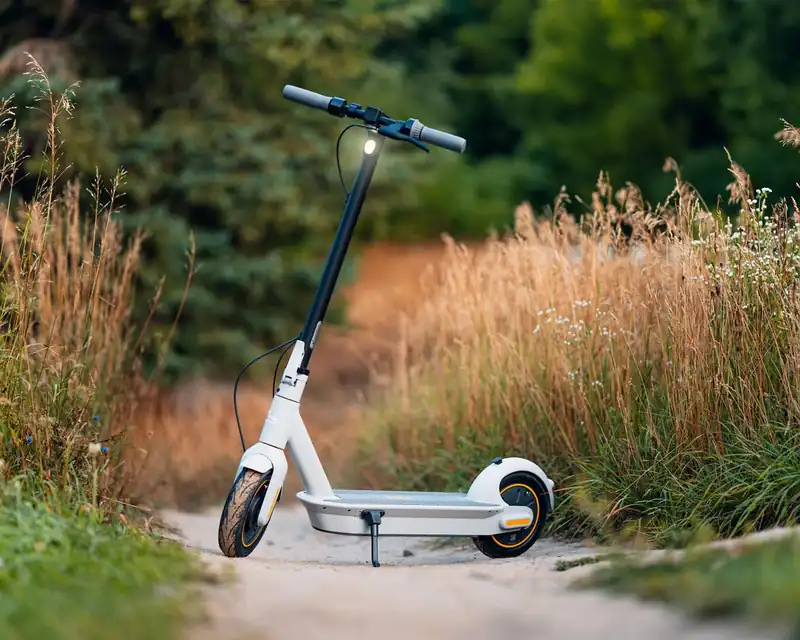
Simple, proven habits that keep your scooter's battery strong, safe, and rolling for years – no tech skills or tools required.
Your electric scooter’s battery is the single most expensive part of the whole machine, so a little electric scooter battery maintenance goes a very long way. Replace that pack and you’re often looking at $150 to $300 or more – sometimes half the price of a new scooter. The good news? Batteries rarely fail because they’re cheap. They fail because of small everyday habits that quietly wear them out.
Here’s the encouraging part: keeping your battery healthy is genuinely easy. You don’t need tools, tech skills, or a garage full of gear. You just need to know a handful of simple rules – how to charge it, how warm or cold to keep it, and how to store it when you’re not riding. Get those right and you can add years of life to your pack.
In this guide we’ll walk through exactly how lithium batteries age, the golden 20-to-80-percent charging rule, the temperature traps that kill packs early, and the smart way to store your scooter over winter. By the end you’ll know precisely what to do (and what to stop doing) to squeeze every mile out of your battery.
How Your Scooter’s Battery Actually Works
Almost every modern electric scooter runs on a lithium-ion battery pack – the same basic chemistry that’s in your phone and laptop, just bigger. Inside the deck sits a bundle of small cells wired together, and every time you charge and drain them, that counts toward a ‘charge cycle.’ Most scooter packs are rated for roughly 500 to 1,000 full cycles before they noticeably weaken. For a daily commuter, that usually works out to somewhere between 2 and 5 years.
The important thing to understand is that a battery doesn’t die all at once. It fades. Each cycle shaves a tiny sliver off the total capacity, so a two-year-old pack might only give you 80% of the range it had when it was brand new. Heat, deep draining, and sitting at a full 100% all speed up that fade. Gentle, sensible habits slow it right down. That’s really the whole game – not stopping the aging, but stretching it out.
You’ve also got a quiet helper on your side: the BMS, or battery management system. It’s a little circuit board that guards your pack by preventing overcharging, balancing the cells, and shutting things down if the battery gets too hot or too empty. It’s clever, but it isn’t magic. Your day-to-day choices still decide whether the pack lasts three years or seven.
What counts as one charge cycle?
One full cycle means draining 100% and charging it back to 100% – but it adds up in pieces. Two rides that each use half the battery equal a single cycle. That’s why topping up little and often doesn’t ‘waste’ cycles; it actually treats the pack more gently.
Cycle life vs. calendar age
Batteries age two ways: from use (cycles) and from time (calendar aging). Even a scooter left untouched in a closet loses a little capacity every year. So a heavily discounted ‘new’ scooter that sat in a warehouse for three years isn’t always the bargain it looks like.
| Your situation | Charge to | Why it helps |
|---|---|---|
| Everyday commuting | 80-90% | Keeps cells in the low-stress comfort zone |
| Long trip planned | 100% (ride soon after) | Full range when you need it, minimal sitting time |
| Battery hits 20-30% | Plug in now | Avoids stressful deep discharges |
| Storing 2+ weeks | 50-60% | Safest resting charge for lithium cells |
| Reached 0% / dead | Recharge right away | Sitting empty can permanently damage the pack |
The Golden Rule: Live Between 20% and 80%
If you remember just one thing from this entire guide, make it this: try to keep your battery between about 20% and 80% for everyday riding. Lithium cells are happiest in that comfortable middle zone. Sitting pinned at a full 100% for hours puts steady stress on the cells, and draining all the way to 0% is even harder on them. The two extremes are exactly where most of the long-term damage happens.
That doesn’t mean you can never charge to full. Topping up to 100% right before a long ride is perfectly fine – just try not to let it sit at full for days on end. And don’t panic if you occasionally run it low. What matters is your average habit, not perfection. Think of 20-to-80-percent as your everyday cruising range, and a 100% charge as a ‘special occasion’ top-up for the days you’ll really use the miles.
Charging in small, frequent sips also beats big deep cycles. Plugging in around 30% and pulling the plug near 80% is far gentler than running the pack flat and then cramming it full again. Manufacturers and battery researchers broadly agree this one simple habit can add 30 to 50% more healthy cycles over the life of the pack. That’s potentially years of extra service for zero cost.
- Daily rides: charge to about 80-90%, not a full 100%
- Plug in when you hit 20-30%, not after every short hop
- Save full 100% charges for days you’ll actually ride the range
- Never leave the pack sitting dead-empty – recharge it soon
Charging Habits That Add Years
How you charge matters just as much as how much you charge. Start with the charger itself. Always use the charger that came with your scooter, or an exact-match replacement with the same voltage and amperage. A cheap, mismatched charger can push the wrong voltage, run hot, or skip the safety features your pack relies on – and that’s how batteries get quietly damaged or, in the worst cases, catch fire.
Next, let the battery cool before you plug in. After a hard ride the pack is warm, and charging a hot battery just stacks heat on top of heat – the one thing lithium cells hate most. Give it 20 to 30 minutes to settle back to room temperature first. The same logic runs the other way in winter: don’t charge a freezing-cold battery the moment you come in from a cold ride. Let it warm up indoors first.
Finally, stop babysitting a full battery. Once it reaches your target charge, unplug it. Modern scooters use a BMS that halts the flow at 100%, so the occasional overnight charge won’t wreck anything – but leaving it plugged in for days keeps the cells pinned at maximum, which is exactly the stressful state we’re trying to avoid. Unplug when it’s done, and never leave a scooter charging unattended for hours, especially overnight while you sleep.
- Use only the official charger or an identical-spec replacement
- Let the pack cool 20-30 minutes after riding before charging
- Unplug once it hits your target – don’t leave it for days
- Charge on a hard, non-flammable surface, never a bed or carpet
- Never charge unattended overnight while you’re asleep
Temperature: The Quiet Battery Killer
Heat is the number-one enemy of lithium batteries. High temperatures speed up the chemical reactions that wear cells out, so a scooter that lives in a hot car trunk or bakes in direct summer sun will age noticeably faster than one kept cool. The sweet spot for both charging and storing is mild room temperature – roughly 59 to 77°F (15 to 25°C). Treat that range as home base.
The frustrating thing about heat damage is that it’s permanent and it adds up silently. You won’t notice a single hot afternoon, but a whole summer of charging in a stuffy garage quietly eats into your range. Cold is a different story – it temporarily saps your range but usually doesn’t cause lasting harm, as long as you never charge a battery that’s still frozen. Warm it up first, every time.
Hot weather
Never charge in direct sun or a sweltering garage. Park in the shade, and if the deck feels hot to the touch after a ride, let it cool before plugging in. In peak summer, charging indoors with good airflow is always the safer bet.
Cold weather
Cold thickens the battery’s internal fluid, so ions move slower and your range can drop 20-30% on a freezing day. That’s normal and temporary. Store and charge the pack indoors, and always let a cold battery warm to room temperature before charging.
Storing Your Scooter the Smart Way
Planning to park the scooter for winter or a long trip? Here’s the trick: don’t store it full, and don’t store it empty. The sweet spot for storage is around 50 to 60% charge. A completely full pack ages faster while it sits, and a fully empty one can slowly self-discharge until the voltage sinks dangerously low. The middle is the safe resting place.
That low-voltage risk is the big one to understand. If a battery sits empty for months, its voltage can drop below a critical safety threshold, and the BMS will refuse to wake it back up – essentially ‘bricking’ the pack for good. This is one of the most common ways riders accidentally kill a perfectly healthy battery over the off-season. The fix is almost insultingly simple: top the battery back up to 50-60% roughly once a month while it’s in storage.
Keep the stored scooter somewhere cool, dry, and stable – not a freezing shed, not a damp basement, and not right next to a heater or water tank. Peek at it every few weeks. A five-minute monthly top-up is a whole lot cheaper and less annoying than shopping for a $200-plus replacement battery come spring.
- Store at 50-60% charge – never bone-dry or brimming full
- Top back up to ~50% every 30 days during storage
- Keep it cool and dry, around 50-70°F, away from heat and damp
- Don’t leave it plugged into the charger the entire time
Ride Smarter to Ease the Strain
Your riding style quietly shapes battery life too. Every hard launch from a dead stop and every full-throttle hill climb pulls a big gulp of current, which stresses the cells and generates heat. Smooth, gradual acceleration is easier on the battery and stretches your range at the same time. Give a little kick with your foot to get rolling before you squeeze the throttle – it saves a surprising amount of power on every single trip.
Tire pressure is the sleeper tip that almost nobody thinks about. Under-inflated tires create far more rolling resistance, so the motor has to work harder and draw more current just to cover the same distance. Check your pressure weekly and keep it within the range printed on the tire wall. Properly inflated tires reward you with longer range, a smoother ride, and less battery strain – all completely free.
Weight and terrain play a part as well. Carrying heavy loads, pushing into strong headwinds, or constantly grinding up steep hills all force the motor to pull harder and drain the pack faster. You can’t always avoid these, but simply knowing they’re power-hungry helps you plan your charges and understand why your range dips on certain days rather than assuming the battery is failing.
- Kick-start and accelerate smoothly instead of flooring it
- Check tire pressure weekly; keep it in the recommended range
- Ease off on steep hills – don’t hold wide-open throttle
- Stay within the scooter’s rated weight limit
Knowing When the Battery Is Done
Even with flawless care, no battery lasts forever. The clearest sign of an aging pack is shrinking range. When a full charge that used to carry you 20 miles now barely reaches 12, the cells have genuinely lost capacity. You may also notice the battery draining faster on hills, reaching ‘full’ much quicker than it used to (because it simply holds less), or the scooter cutting out while the gauge still shows charge left.
Most scooter batteries deliver solid service for about 500 to 1,000 charge cycles – roughly 2 to 5 years for a daily rider, and longer for weekend cruisers. A replacement pack usually runs from around $150 for budget commuters up to $300 or more for bigger, long-range machines. Weigh that cost against the age and overall condition of the scooter before you commit. Sometimes a new battery is a bargain; sometimes it’s a nudge toward a whole new ride.
If your range has dropped below what you actually need and the scooter is otherwise in great shape, a fresh battery can genuinely make it feel new again. Just buy the replacement from the original brand or a reputable seller, and match the correct voltage and capacity exactly. This is absolutely not the place to gamble on a mystery pack from an unknown listing – a bad battery is both a money pit and a fire risk.
| Activity | Sweet spot | Avoid |
|---|---|---|
| Charging | 50-77°F (10-25°C) | Below freezing or above ~104°F |
| Riding | 40-95°F (5-35°C) | Extreme heat or a hard freeze |
| Storage | 50-70°F (10-21°C) | Hot sheds, freezing garages, damp rooms |
| Habit | Battery-friendly rider | Battery-killer |
|---|---|---|
| Daily charge level | Kept around 20-80% | Always 100% or run to 0% |
| Charger | Official / exact match | Cheap random off-brand |
| After a ride | Cools down before charging | Plugs in while hot |
| Winter storage | 50-60%, topped monthly | Left empty for months |
| Typical lifespan | 4-6+ years | Often just 1-2 years |
Common Mistakes (and How to Fix Them)
Fix: Set your everyday charge to about 80-90% and save full charges for days you’ll actually ride the range. An outlet timer or smart plug makes this automatic and effortless.
Fix: Unplug once the battery reaches your target. The BMS stops the flow at full, but sitting pinned at 100% for days still stresses the cells – and unattended overnight charging is a fire risk.
Fix: Store at 50-60% charge and top it back up to ~50% once a month. An empty pack can drop below its safety voltage and ‘brick’ itself permanently.
Fix: Only use the official charger or an exact-match unit with the same voltage and amperage. Wrong specs can overheat the pack, skip safety features, and quietly wreck the battery.
Pro Tips
- 💡 Grab a $10-15 outlet timer or smart plug, learn how long your charger takes to reach ~80%, and set it to cut power there – instant, automatic 20-80% living.
- 💡 Keep a small floor pump or tire inflator handy and check your PSI every week; proper pressure alone noticeably boosts range and eases battery strain.
- 💡 After any hard or hot ride, wait 20-30 minutes before charging so you’re never stacking charging heat on top of riding heat.
- 💡 In winter, keep the battery indoors at room temperature and only take the scooter out to ride – warm cells hold far more usable range.
- 💡 Jot down your real full-charge range once a month; when the number starts sliding, you’ll catch capacity fade early instead of being stranded.
A Real-Life Example
Take Marcus, who rides a 36V Gotrax about six miles each way to work. For his first year he plugged in every night, charged straight to 100%, and left it on the charger until morning – often right after parking the still-warm scooter. Around the 14-month mark he noticed his round trip was cutting it close, when it used to leave charge to spare.
He changed almost nothing dramatic: a $12 outlet timer that stops around 80%, a 20-minute cool-down before charging, and unplugging once it’s done. A year later his range had basically stabilized instead of sliding. Same scooter, same commute – just gentler habits keeping the pack alive.
Frequently Asked Questions
No, not for everyday rides. Lithium cells last longest when you keep them roughly between 20% and 80%, so charging to about 80-90% is gentler day to day. It’s fine to go to 100% before a long trip – just try not to let it sit at full for days, and don’t leave it dead-empty either. Both extremes wear the pack out faster than the comfortable middle.
It’s best not to make it a habit. Your BMS stops the charge at 100%, so an occasional overnight top-up won’t destroy the battery, but leaving it pinned at full for hours adds steady stress to the cells. More importantly, unattended overnight charging is the main scenario behind rare battery fires. Charge while you’re awake and around, on a hard surface, then unplug once it’s full.
Most last about 2 to 5 years, or roughly 500 to 1,000 charge cycles. Daily commuters land toward the shorter end while weekend riders stretch it out much longer. The single biggest factor is how you treat the pack – careful charging, sensible temperatures, and smart storage can add years, while running it hot, full, or empty can cut its life in half.
Only if your manufacturer sells one designed for your exact scooter. A faster charger pushes more current, which generates more heat – and heat is what ages cells. Never grab a random higher-amp charger because it’s quicker; the wrong voltage or amperage can overheat or damage the battery. Stick with the official charger or an exact-match replacement with identical specs.
Store it at 50-60% charge, indoors, somewhere cool and dry. Don’t leave it full and definitely don’t leave it empty. Top the battery back up to about 50% once a month so it never drops below its safety voltage, which can permanently disable the pack. Keep it away from heaters, damp, and freezing sheds, and warm the battery to room temperature before you ride or charge it again.
The three usual suspects are cold weather, low tire pressure, and an aging battery. Cold temporarily thickens the battery fluid and can cut range 20-30% until things warm up. Under-inflated tires make the motor work harder for every mile. And if range has slowly shrunk over many months regardless of weather, the cells are simply aging and losing capacity – a normal sign the pack is nearing replacement.
Final Checklist ✅
- ✅ Keep your daily charge roughly between 20% and 80%
- ✅ Use only the official charger or an exact-match replacement
- ✅ Let the battery cool 20-30 minutes after riding before charging
- ✅ Unplug once it’s full – never charge unattended overnight
- ✅ Check tire pressure weekly and keep it in the recommended range
- ✅ Store at 50-60% charge indoors, and top up to ~50% monthly
- ✅ Track your full-charge range each month to catch fade early