Turn long campground walks into quick, quiet rides. Here are the best electric scooters for camping in 2026 — with real specs, honest prices, and off-grid charging tips.
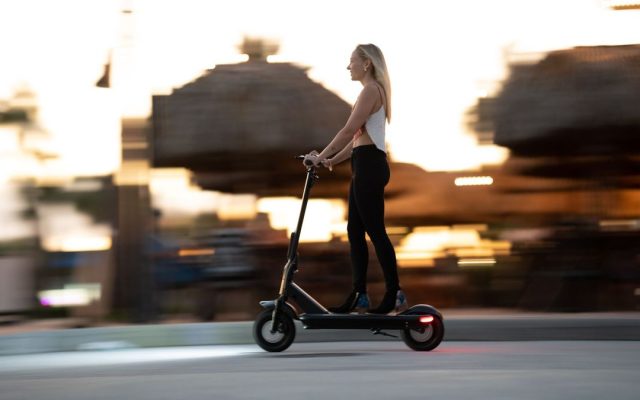
An electric scooter for camping might be the smartest thing you pack next to your tent. Modern campgrounds are huge. The walk from your site to the showers, the camp store, the lake, or the trailhead can eat up your whole afternoon. A folding electric scooter turns that long trudge into a two-minute glide — quietly, with zero gas, and a big grin on your face.
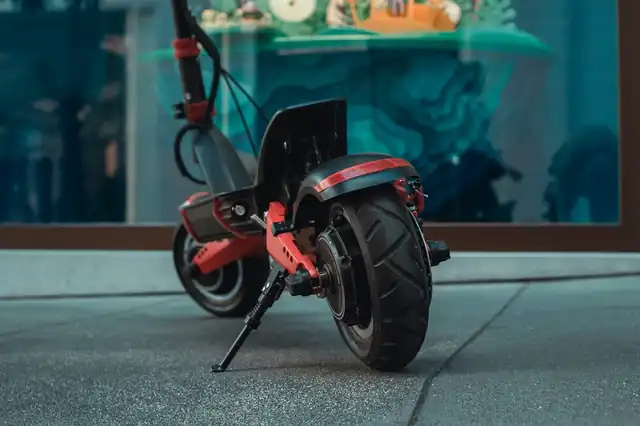
But not every scooter belongs in the woods. Campgrounds are full of gravel, packed dirt, wet grass, and the odd tree root. You want air-filled or tubeless tires, a little water resistance, real range, and a fold-down design that drops into your trunk or RV bay. Pick the wrong model and you may end up pushing it back to camp on foot.
This guide walks you through exactly what to look for, the best electric scooters for camping in 2026, how to keep them charged when you are off the grid, and how to ride safely on rough campground ground. Whether you tent-camp, drive a van, or tow a big fifth-wheel, there is a scooter here that fits your trip and your budget.
This article is part of our electric scooter buying guide, which brings together every scooter guide on the site.
Why Bring an Electric Scooter Camping?
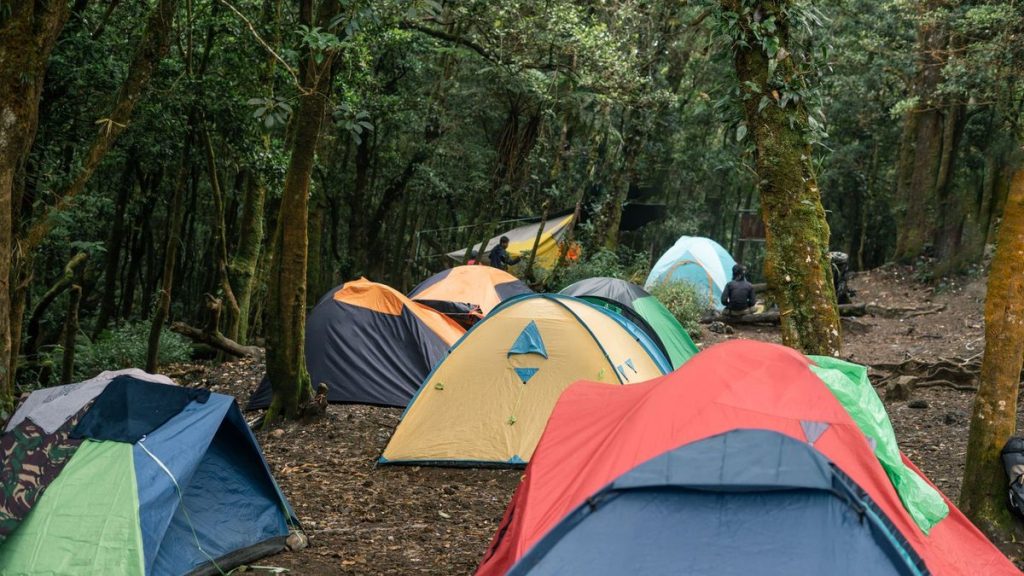
Campsites keep getting bigger. State parks and RV resorts can stretch a mile or more from one end to the other. When your site sits a long way from the bathhouse, the beach, or the camp store, all that back-and-forth adds up fast. An electric scooter shrinks the whole campground down to a few easy minutes and saves your legs for the fun stuff.
It also saves your vehicle. Once you have backed the RV in and leveled it, the last thing you want is to pack everyone up and drive just to grab a bag of ice or more firewood. A scooter lets you leave the big rig parked. You zip out, run the errand, and glide back — no re-parking, no fuss, no burning fuel for a half-mile trip.
Then there is the plain fun of it. Kids and adults both love the freedom of exploring on two wheels. You can cruise the loop roads after dinner, ride down to catch the sunset, or roll a paved trail deeper into the park. It is quiet, so you will not bother other campers, and it does not spook wildlife the way a gas engine does.
- Beat the long walk to showers, restrooms, and the camp store
- Leave the RV or car parked once you are set up for the night
- Explore paved loops and trails after you pitch your tent
- Carry light gear, a cooler bag, or a fishing rod with the right rack
- Stay silent and emission-free — no gas, no noise, no fumes
| Model | Motor | Top Speed | Range | Weight | Tires | Approx. Price |
|---|---|---|---|---|---|---|
| Segway Ninebot MAX G2 | 1000W peak | 22 mph | Up to 43 mi | 53.6 lbs | 10″ self-healing tubeless | $900-$1,000 |
| Segway ZT3 Pro | 1600W peak | 24.9 mph | Up to 43.5 mi | 65.5 lbs | 11″ off-road tubeless | $850-$1,000 |
| Gotrax G4 | 350W | 20 mph | Up to 25 mi | 37 lbs | 10″ pneumatic | $500-$600 |
| Hiboy S2 Pro | 500W | 19 mph | Up to 25 mi | 37.4 lbs | 10″ solid honeycomb | $400-$500 |
| Varla Eagle One V2.0 | Dual 1000W | 40 mph | Up to 42 mi | 82 lbs | 10×3.5″ tubeless | $1,600-$1,900 |

What to Look For in a Camping Electric Scooter
A great commuter scooter is not always a great camping scooter. Smooth city pavement forgives a lot that a gravel campground road will not. Before you buy, run through the handful of features below — they are the difference between a scooter that thrives in the woods and one that rattles your teeth loose or dies half a mile from your tent.
You do not need the most expensive model on the shelf. You need the right mix of tough tires, honest range, manageable weight, and a bit of weatherproofing. Here is what actually matters when the pavement ends.
Air-Filled or Tubeless Tires
This is the big one for camping. Pneumatic (air) or tubeless tires soak up bumps and grip loose ground far better than small, hard, solid tires. Aim for at least 10-inch tires. Solid honeycomb tires never go flat, but they buck and skid on gravel and roots.
Real-World Range
Advertised range is measured on flat pavement with a light rider. Real hills, cold mornings, and loose dirt can cut it by a third. For a full day of campground loops and a town run, look for 20 to 40 real miles so you are never stranded far from a charger.
Weight and How You Will Lift It
A folded scooter still has to get into your vehicle. Light models around 37 pounds lift into a trunk with one arm. Heavy off-road machines can top 65 to 80 pounds, which means two people or a ramp. Match the weight to your body and your storage spot before you fall in love with the specs.
Water and Dust Resistance
Dew, puddles, and a surprise shower are part of camp life. Check the IP rating. IPX4 handles splashes and light rain; a sealed IPX7 battery is even better. No scooter is a submarine, so still avoid deep puddles and streams.
Weight Capacity for You Plus Gear
Add your body weight to a loaded backpack, a cooler bag, or a kid on the deck. Most camping scooters carry 220 to 330 pounds. Staying well under the limit keeps your motor strong on hills and protects the frame over rough ground.
Suspension and Hill Power
Front or dual suspension smooths out ruts, roots, and washboard gravel so your hands and knees are not paying the price. A stronger motor (500W and up) also matters if your park has real climbs — a weak motor crawls or overheats on steep loop roads.
5 Best Electric Scooters for Camping in 2026
These picks cover every kind of camper, from the ultralight tent packer to the serious overlander who wants to chew through dirt trails. Every spec below is pulled from the current 2026 models, not wishful thinking. Check the comparison table for a side-by-side look, then read the notes to find your match.
Segway Ninebot MAX G2 — Best All-Around
The sweet spot for most campers. It pairs 10-inch self-healing tubeless tires with dual suspension, an IPX7-rated battery, and up to 43 miles of range. At about 53 pounds it is liftable for most adults, and the sealed battery shrugs off dew and light rain. Around $900.
Segway ZT3 Pro — Best True Off-Road
When the campground roads turn to real dirt, the ZT3 Pro shines. It rolls on 11-inch off-road tubeless tires with knobby tread, dual suspension, a 1600W peak motor, and up to 43.5 miles of range. At 65.5 pounds it is heavier, but it handles rough ground the others cannot. Roughly $850 to $1,000.
Gotrax G4 — Best Lightweight With Air Tires
Only about 37 pounds, so it lifts into a trunk with one hand, yet it still rides on 10-inch pneumatic tires that cushion gravel. Up to 25 miles of range and a 20 mph top speed cover most campgrounds. A smart budget pick near $500 to $600.
Hiboy S2 Pro — Best Budget and Easiest Lift
The lightest, cheapest way in at about 37 pounds and often under $500. Its 10-inch honeycomb tires never go flat, which is great for peace of mind, but they are firmer on loose ground. Best for packed dirt and paved loops rather than rough trails. Up to 25 miles of range.
Varla Eagle One V2.0 — Best Heavy-Duty Power
For overlanders who want a small motorbike feel. Dual 1000W motors, full suspension, 10×3.5-inch tubeless tires, and up to 42 miles of range make it a beast on hills and trails. The catch is 82 pounds, so you need a ramp or two people to load it. About $1,600 to $1,900.
How to Keep It Charged Off the Grid
Charging is easy at an RV site with a power hookup — just plug the scooter’s charger into any standard outlet like you would at home. A full charge usually takes 4 to 6 hours, so topping off overnight covers you for the next day. Tent campers and boondockers need a little more planning.
The go-to solution is a portable power station, the big battery boxes from brands like Jackery, EcoFlow, and Anker. A scooter battery holds roughly 500 to 600 watt-hours, so a 500 to 1,000Wh station gives you about one full charge before it needs a refill. You can recharge the station off a solar panel during the day, from your vehicle’s outlet while you drive, or at any hookup you pass.
Battery care matters more when you are far from help. Do not run the pack all the way to zero, and do not store it bone dry overnight. For a long trip, keep it in the 20 to 80 percent range when you can, and always bring the original charger — third-party chargers can damage the pack. A small buffer of charge is your safety net for the ride back to camp.
- RV or cabin hookup: plug straight into a standard outlet, 4 to 6 hours for full
- Portable power station: a 500 to 1,000Wh unit covers about one charge
- Solar: recharge your power station during the day for a renewable top-up
- Vehicle outlet: charge the station or scooter while you drive between spots
- Always pack the original charger, and keep the battery above 20 percent
Riding Safely on Campground Terrain
Campgrounds throw surfaces at you that city riders never see. Gravel, sand, wet grass, and hidden roots all behave differently under your wheels. The golden rule is simple: slow down and give yourself room. Most spills happen because someone carried pavement speed onto a loose or slick surface.
On gravel and loose dirt, ease off the throttle, keep your knees soft, and shift your weight slightly back so the front wheel stays light. Sand and mud grab your tires, so keep steady momentum and steer around the deep stuff rather than plowing through it. Wet grass, painted lines, and damp roots are the sneakiest hazards — brake early and gently, because a hard grab of the brakes on a slick patch is how the wheel slides out.
After dark, ride like you are invisible. Use your headlight and a rear light, wear something reflective, and crawl at walking pace anywhere near occupied sites, kids, or pets. Always wear a helmet, keep speeds sane on downhills, and know your park’s rules — some parks ban electric rides on hiking trails entirely and only allow them on paved roads.
- Slow down on gravel; shift your weight back and keep knees soft
- Keep momentum through sand and mud, and avoid the deep patches
- Brake early on wet grass, roots, and painted lines
- Use lights at night and crawl past occupied campsites
- Wear a helmet and check whether trails allow electric rides
Packing, Storing, and Securing Your Scooter
The whole point of a folding scooter is that it disappears when you are not riding it. Most models fold in one motion — drop the stem, click it to the rear fender, and it lies flat. From there it slides into a car trunk, tucks into an RV storage bay, rides in a truck bed, or leans in the back of an SUV. Measure your space before you buy, especially the folded length, so you are not wrestling it in at the trailhead.
Protect the scooter in transit and at camp. A cheap cover keeps road grime and dust off the deck, and a strap or bungee stops it sliding around and scratching your gear on bumpy forest roads. Wipe off sand and mud before you fold it so grit does not grind into the folding joint. And keep the battery out of temperature extremes — a scorching closed car or a freezing tent overnight will both shorten its life and its range.
- Confirm the folded length fits your trunk, RV bay, or truck bed
- Use a cover and a strap so it rides clean and does not slide around
- Wipe off sand and mud before folding to protect the hinge
- Bring a cable or chain lock and secure it to a fixed object at camp
- Fold it inside your rig or tent overnight to deter theft and dew
Scooter vs. Other Ways to Get Around Camp
An electric scooter is not the only way to beat the campground walk, but it hits a rare sweet spot of speed, storage, and price. An electric bike goes farther and carries more, but it is bulky, usually needs a hitch rack, and costs a lot more. A golf cart is comfy for a group, yet you need a trailer to bring it and a big site to store it — overkill for most campers.
Walking is free and always an option, but it is slow when your site is a mile from everything. A mobility scooter suits riders who need a seat and low speeds on flat ground, though it is heavy and awkward to transport. For the average camper who wants to fold something into the trunk, run quick errands, and still explore for fun, the electric scooter is the easiest all-rounder. See the table below for the quick trade-offs.
| Feature | Why It Matters for Camping | What to Aim For |
|---|---|---|
| Tires | Grip and cushion on gravel, dirt, and roots | 10-inch or larger, air-filled or tubeless |
| Range | Explore all day without a recharge | 20 to 40+ real-world miles |
| Weight | Lifting it into a car or RV | Under 40 lbs to lift solo; 55-80 needs help or a ramp |
| Water resistance | Dew, puddles, and light rain happen | IPX4 or better; sealed IPX7 battery ideal |
| Weight capacity | You plus a pack or cooler bag | 220 to 330 lbs |
| Suspension | Smooths ruts, roots, and washboard | Front or dual suspension |
| Folded size | Fits a trunk or RV storage bay | One-step fold, compact stem |
| Option | Speed & Range | Portability | Rough Cost | Best For |
|---|---|---|---|---|
| Walking | Slow, on foot | Nothing to haul | Free | Short strolls around your loop |
| Electric scooter | 15-25 mph, 20-40 mi | Folds into a trunk | $400-$1,900 | Errands plus exploring, tight storage |
| Electric bike | 20-28 mph, 25-60 mi | Bulky, needs a rack | $1,000-$3,000 | Longer trail rides and cargo |
| Golf cart | 15-25 mph, short | Needs a trailer | $4,000+ | Big RV resorts and groups |
| Mobility scooter | 4-8 mph, short | Heavy, splits apart | $700-$2,500 | Seated riding on flat ground |
Common Mistakes (and How to Fix Them)
Fix: Campground gravel and roots need cushion and grip. Pick 10-inch or larger pneumatic or tubeless tires instead of small solid ones, which skid and buck on loose surfaces.
Fix: A folded scooter still has to get into your vehicle. Weigh how you will load it — aim under 40 pounds to lift solo, and plan on a ramp or a second person for 65 to 80 pound off-road models.
Fix: No hookup means no easy charge. Bring a 500 to 1,000Wh portable power station, plan around any outlets you pass, and never let the battery sit at zero overnight.
Fix: Dew and surprise rain are normal at camp. Buy a scooter rated IPX4 or higher, keep out of deep puddles, and wipe it dry after any wet ride to protect the electronics.
Pro Tips
- 💡 Check tire pressure before every trip and pack a mini pump — a soft tire kills range and grip on gravel.
- 💡 For storage between trips, charge the battery to about 80 to 90 percent rather than a full 100, and never leave it dead.
- 💡 Ride in eco or a lower speed mode around camp to stretch your range and keep the noise down for neighbors.
- 💡 Rinse or wipe off sand and mud before folding so grit does not grind into the folding hinge over time.
- 💡 Keep the battery out of a scorching closed car or a freezing overnight tent — temperature extremes cut range fast.
An Example Scenario
Illustrative example: a composite of situations riders often describe, not a real customer story.
Picture a family camping at a state park where the site sits nearly a mile from the beach and the shower house. The first day they walk everywhere and are wiped out by dinner. On day two they unfold the scooter from the back of the SUV, and the whole trip changes. Ice runs, sunset rides and quick trips to the ranger station become two-minute glides instead of sweaty hikes.
Then a light rain rolls through one evening while one of them is down at the lake. With a sealed battery and air-filled tires, the wet gravel road back is fine, as long as the speed stays low and the rider leans back a touch on the loose sections. That’s how a scooter earns a permanent spot on every trip.
Frequently Asked Questions
Yes, most campgrounds allow electric scooters on their paved roads and loops. Rules vary, though, so check with the park first — many ban electric rides on hiking trails and singletrack, and some quiet hours limit riding after dark. Always crawl at walking pace near occupied sites, kids, and pets to keep the peace.
The Segway Ninebot MAX G2 is our top all-around pick for camping. It blends up to 43 miles of range, 10-inch self-healing tubeless tires, dual suspension, and a sealed IPX7 battery, all at a weight most adults can lift. If your park has real dirt trails, step up to the Segway ZT3 Pro with its knobby 11-inch tires; if you need the lightest possible lift, the Gotrax G4 at 37 pounds is hard to beat.
Use a portable power station to charge off-grid. A scooter battery holds roughly 500 to 600 watt-hours, so a 500 to 1,000Wh station like a Jackery or EcoFlow gives you about one full charge before it needs a refill. Recharge the station with a solar panel during the day or from your vehicle’s outlet while you drive. At an RV site, you can simply plug the charger into the shore-power outlet.
Most are water-resistant, not fully waterproof, which is fine for typical camp conditions. Look for an IP rating of IPX4 or higher, and a sealed IPX7 battery is even better for dewy mornings and light rain. Still, never ride through deep puddles, flooded ruts, or stream crossings, and wipe the scooter dry after any wet ride to protect the electronics.
For most campers, 20 to 30 real-world miles is plenty. A typical day of loop roads, store runs, and evening cruises rarely tops 10 to 15 miles. Remember that hills, cold weather, a heavier rider, and loose ground all shrink the advertised range, so keep a 20 percent buffer and buy a little more range than you think you need if your park is large or hilly.
Yes, folding models are made for exactly this. Most fold in one motion to a flat shape around 45 to 49 inches long that slides into a car trunk, an RV storage bay, a truck bed, or the back of an SUV. Check the folded dimensions and the weight before you buy, especially if you drive a smaller car or need to lift it into a high truck bed.
Final Checklist ✅
- ✅ Pick air-filled or tubeless tires at least 10 inches wide for gravel and dirt
- ✅ Match the scooter’s weight to how you will lift it into your car or RV
- ✅ Confirm the real-world range covers a full day of campground loops plus a buffer
- ✅ Check the IP rating so dew and light rain will not be a problem
- ✅ Pack the original charger, and a power station if you will be off the grid
- ✅ Bring a cable or chain lock and fold it inside your rig at night
- ✅ Throw in a mini tire pump, a rag, and a small tool kit for quick fixes