
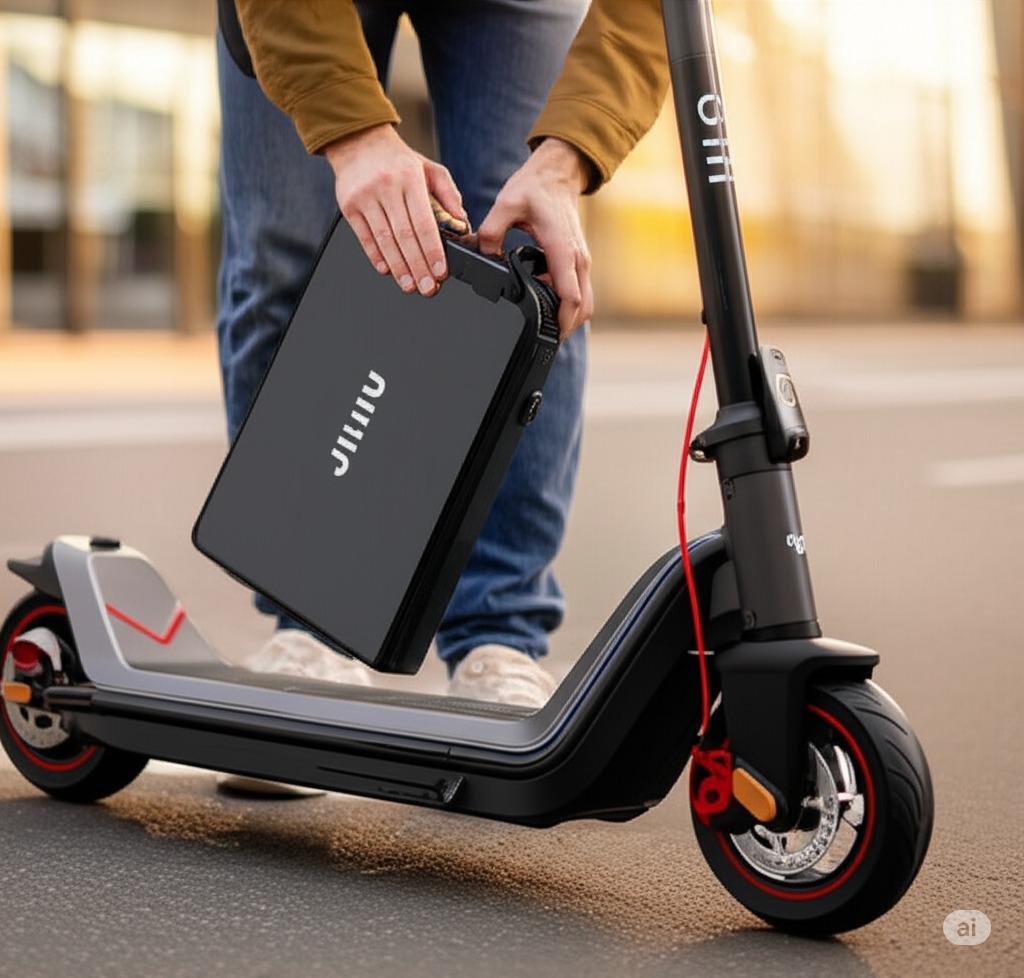
Let’s be honest — the biggest hassle of owning an electric scooter isn’t riding it. It’s charging it. You get home, tired from your commute, and now you have to drag a 40-pound scooter indoors just to plug it in. Or worse, you’re at the office and the battery is dead with no outlet nearby.
That’s exactly why removable battery scooters are quietly taking over the micromobility world in 2026. Pop the battery out, charge it at your desk or kitchen counter, and you’re back on the road in minutes. Some riders even carry a spare pack for double the range.
In this guide, I’ll walk you through the best electric scooters with removable battery you can actually buy right now in the US. You’ll see real specs, honest pros and cons, side-by-side comparison tables, pro tips most reviews skip, and the common mistakes new buyers make (plus how to avoid them).
🎯 Quick Verdict — The 3 Winners
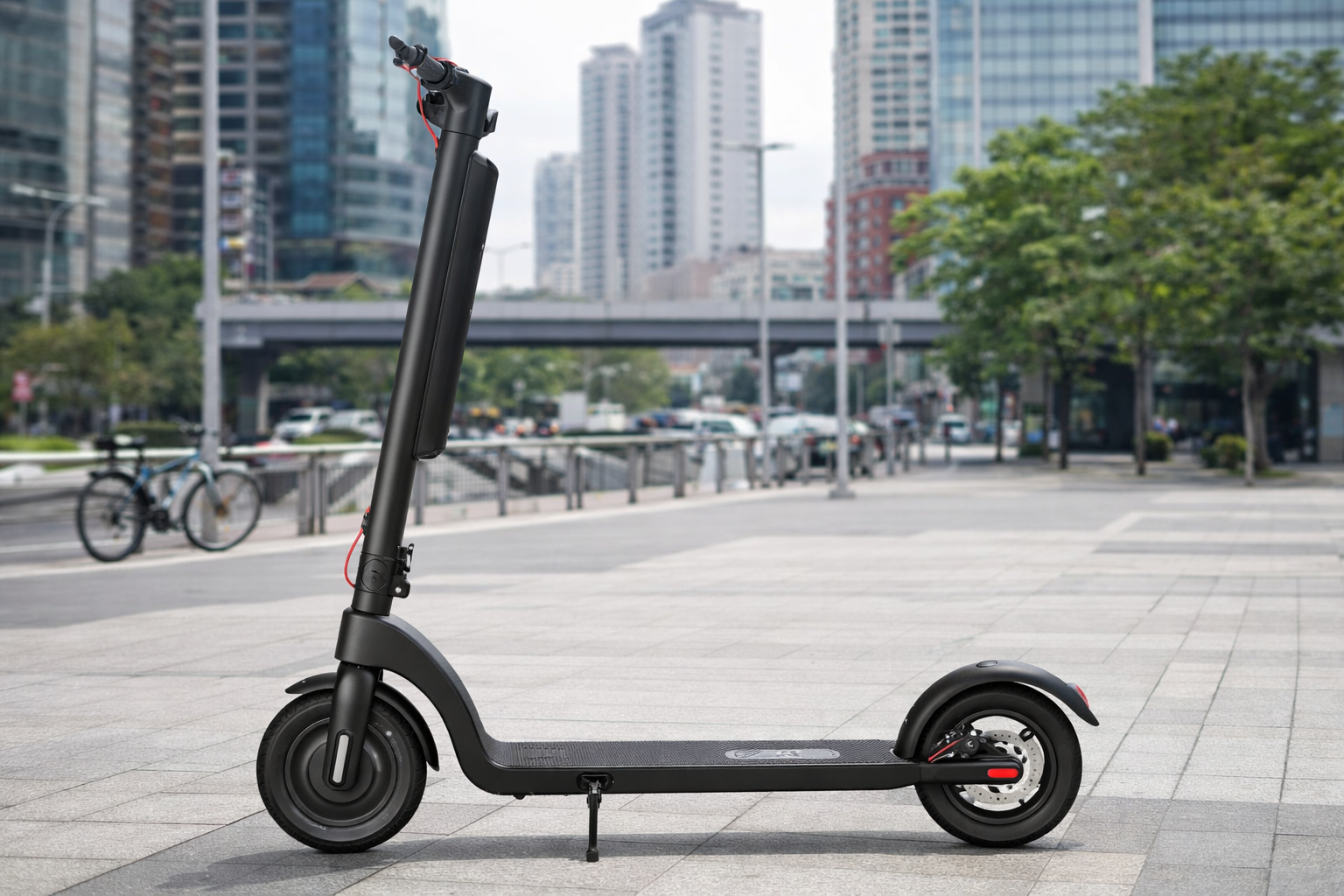
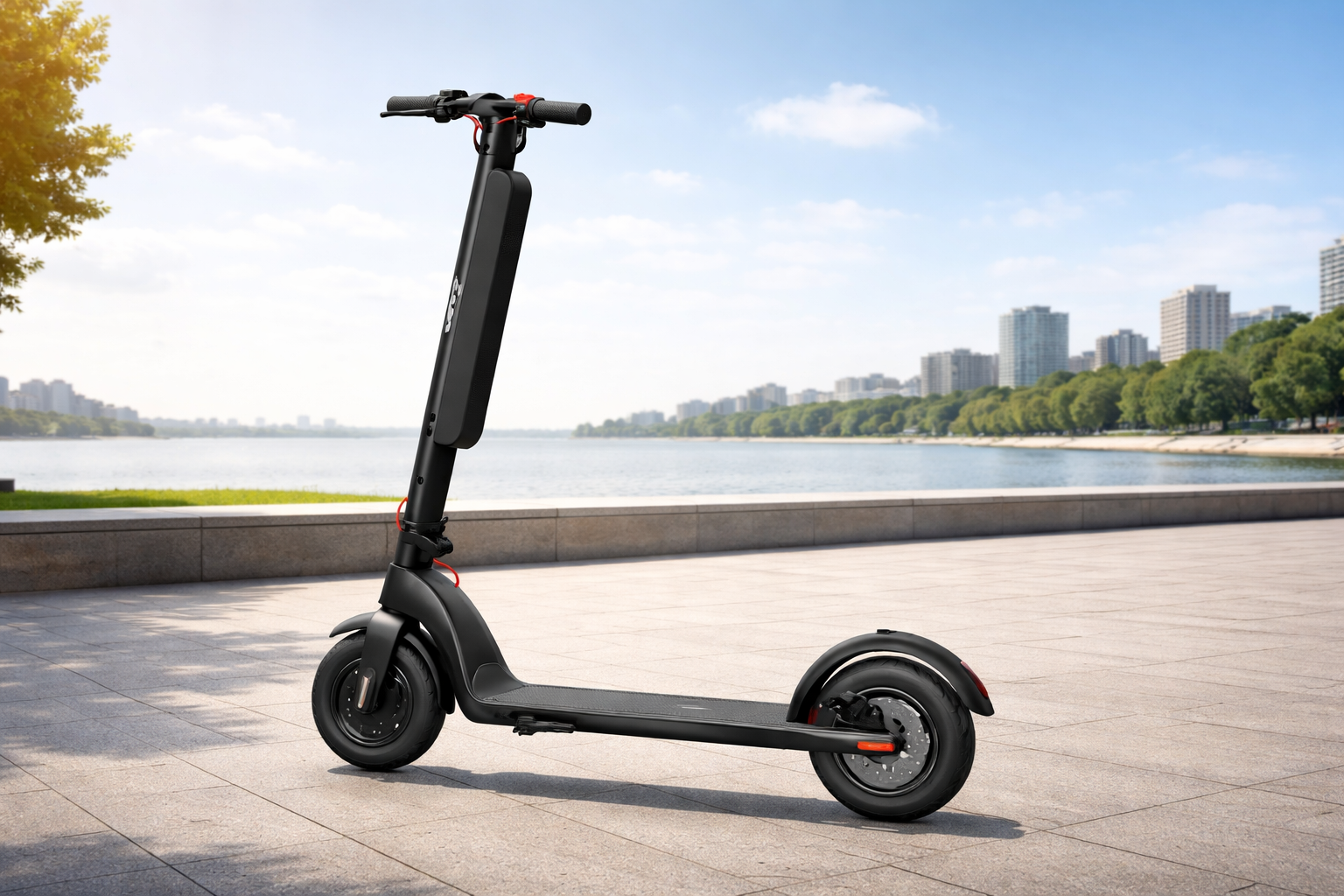
- Best Overall: TurboAnt X7 Max — removable 36V 10Ah battery, built-in key lock, 32-mile range, under $600. Check price on Amazon.
- Best Dual-Battery: TurboAnt V8 — two independent removable batteries for up to 50 miles of real-world range.
- Best Lightweight: Levy Plus — just 30 lbs with a slide-out battery pack that fits in a backpack.
📑 Table of Contents
Why a Removable Battery Is a Game-Changer
If you’ve only ever owned a sealed-battery scooter, the convenience of a removable pack is genuinely life-changing. But it’s not just about convenience — there are four real advantages that matter in daily life.
1. You Can Charge Anywhere
Live in a fourth-floor walk-up? Park your scooter outside a café? Work in an office where security won’t let you drag in a 40-pound vehicle? With a removable battery, you just lift the pack out (most weigh 5–8 lbs), slip it in a bag, and charge it wherever you can find an outlet. The scooter itself stays parked — no more awkward elevator rides.
2. You Can Double or Triple Your Range
This is the secret weapon that most reviews skip. Buy one spare battery, charge both overnight, and swap on the go. A scooter rated for 25 miles suddenly gets 50. For delivery riders and long-distance commuters, this turns an e-scooter into a real long-haul vehicle.
3. Battery Replacement = $150, Not $800
Lithium-ion batteries degrade. After 2 to 4 years of daily use, most packs drop to 70–80% of their original capacity. On a sealed scooter, replacing that battery often means disassembling the whole deck — an expensive shop job. On a removable-battery scooter, you just buy a new pack online and slide it in. That alone can add 3 more years to your scooter’s life.
4. Better Safety and Cooler Riding
Heat kills lithium cells. A pack you can remove is usually better-ventilated and easier to inspect. If you ever smell something weird or notice swelling (rare but real), you can pull the battery out and deal with it — not chase the problem through a sealed chassis.
💡 Quick Insight
According to industry data, most electric scooter batteries last 500 to 1,000 charge cycles before capacity drops noticeably — that’s roughly 2–4 years for a daily commuter. A removable design cuts the eventual replacement cost by up to 75%.
At-a-Glance Comparison Table
Before we dive deep into each pick, here’s the short version. If you’re short on time, scan this table and jump to the model that fits your needs. You can also check out our guide to the fastest 20 MPH electric scooters if speed matters most.
| Scooter | Best For | Range | Top Speed | Weight | Price |
|---|---|---|---|---|---|
| TurboAnt X7 Max | Overall Best Value | 32 mi | 20 mph | 37 lbs | $549 |
| TurboAnt V8 | Longest Swap Range | 50 mi (dual) | 20 mph | 51 lbs | $699 |
| Levy Plus | Portability | 20 mi | 18 mph | 30 lbs | $729 |
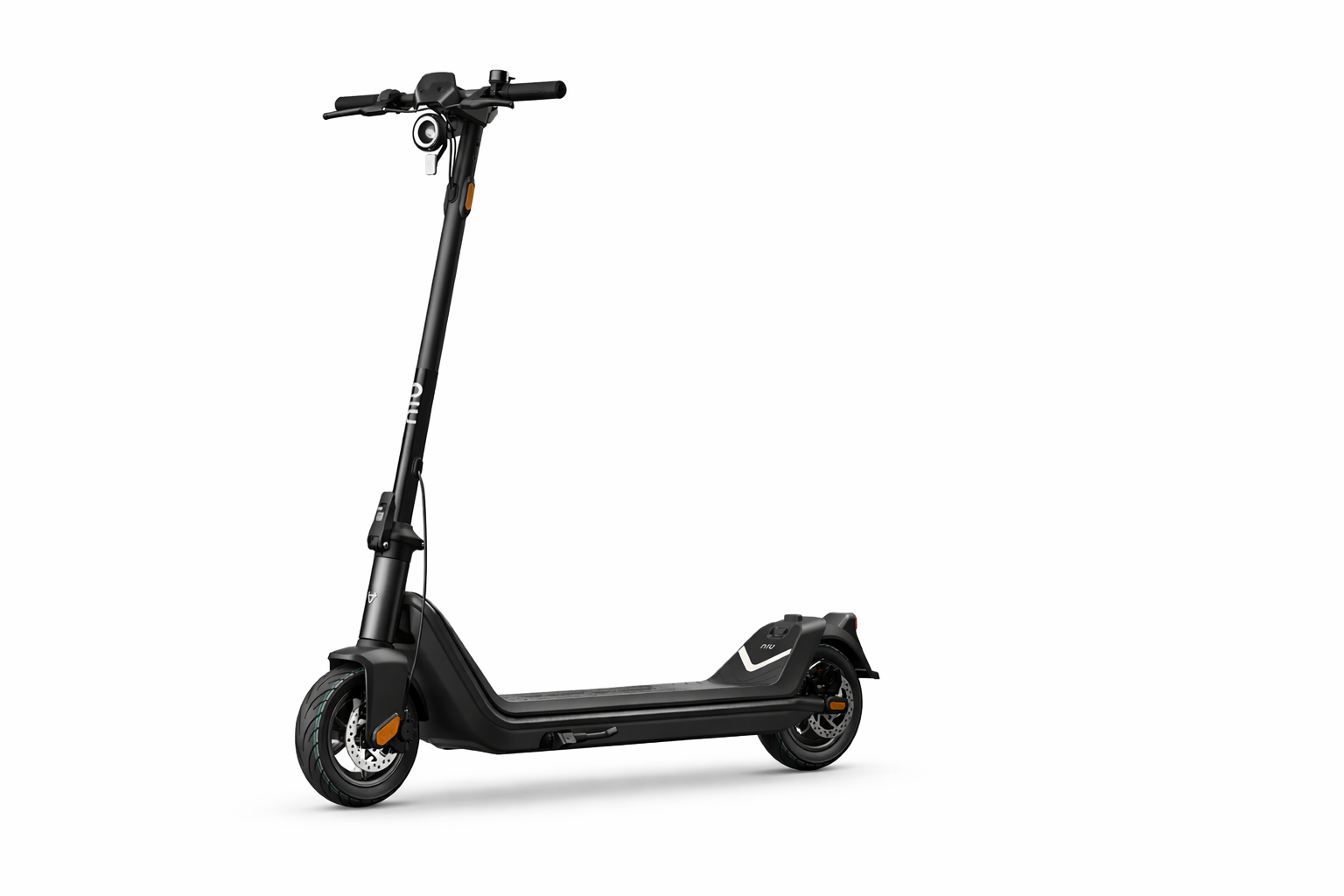
| NIU KQi3 Pro | Mid-Range Commute | 31 mi | 20 mph | 45 lbs | $599 |
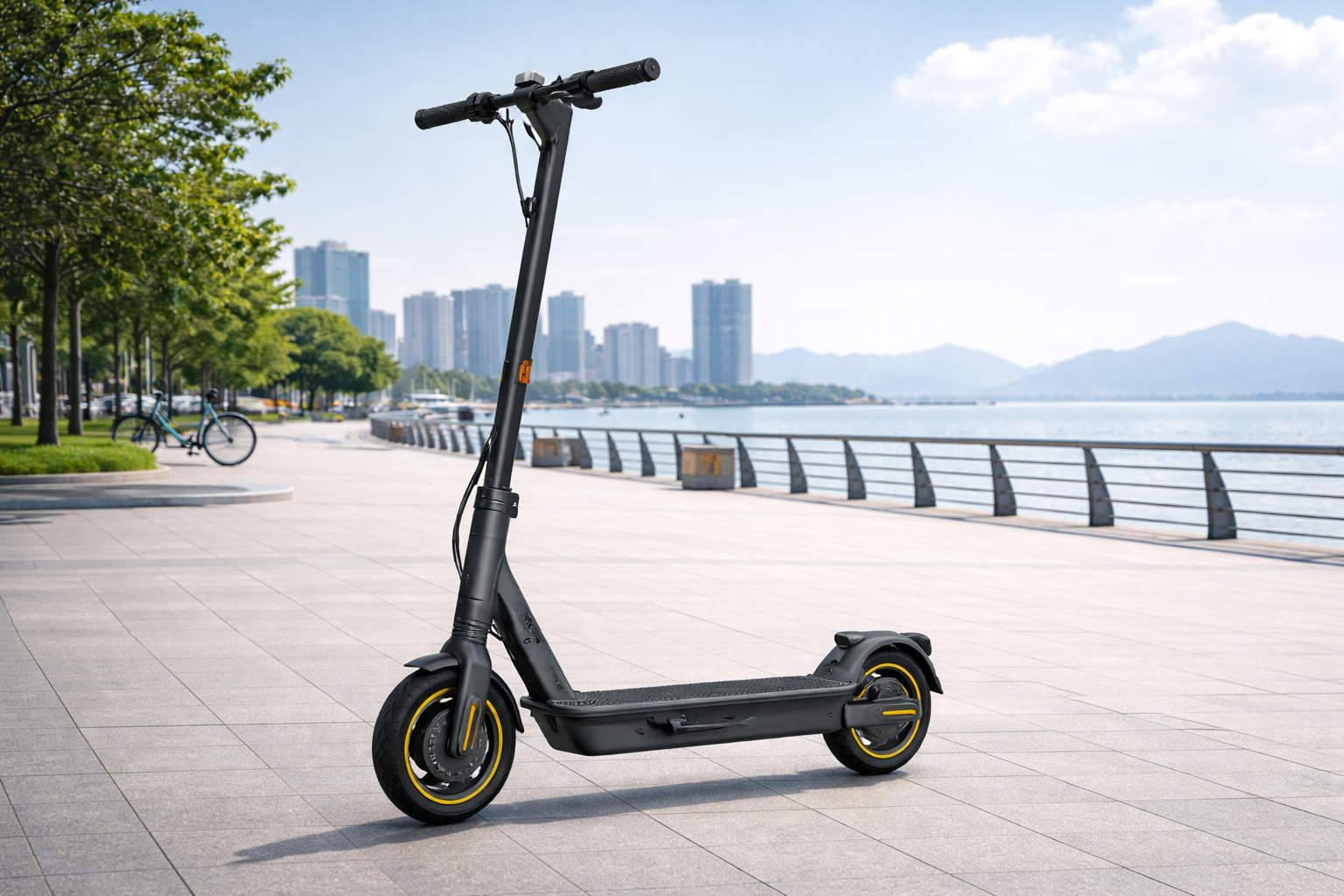
| Segway Ninebot Max G2 | Long Range | 43 mi | 22 mph | 53 lbs | $1,099 |
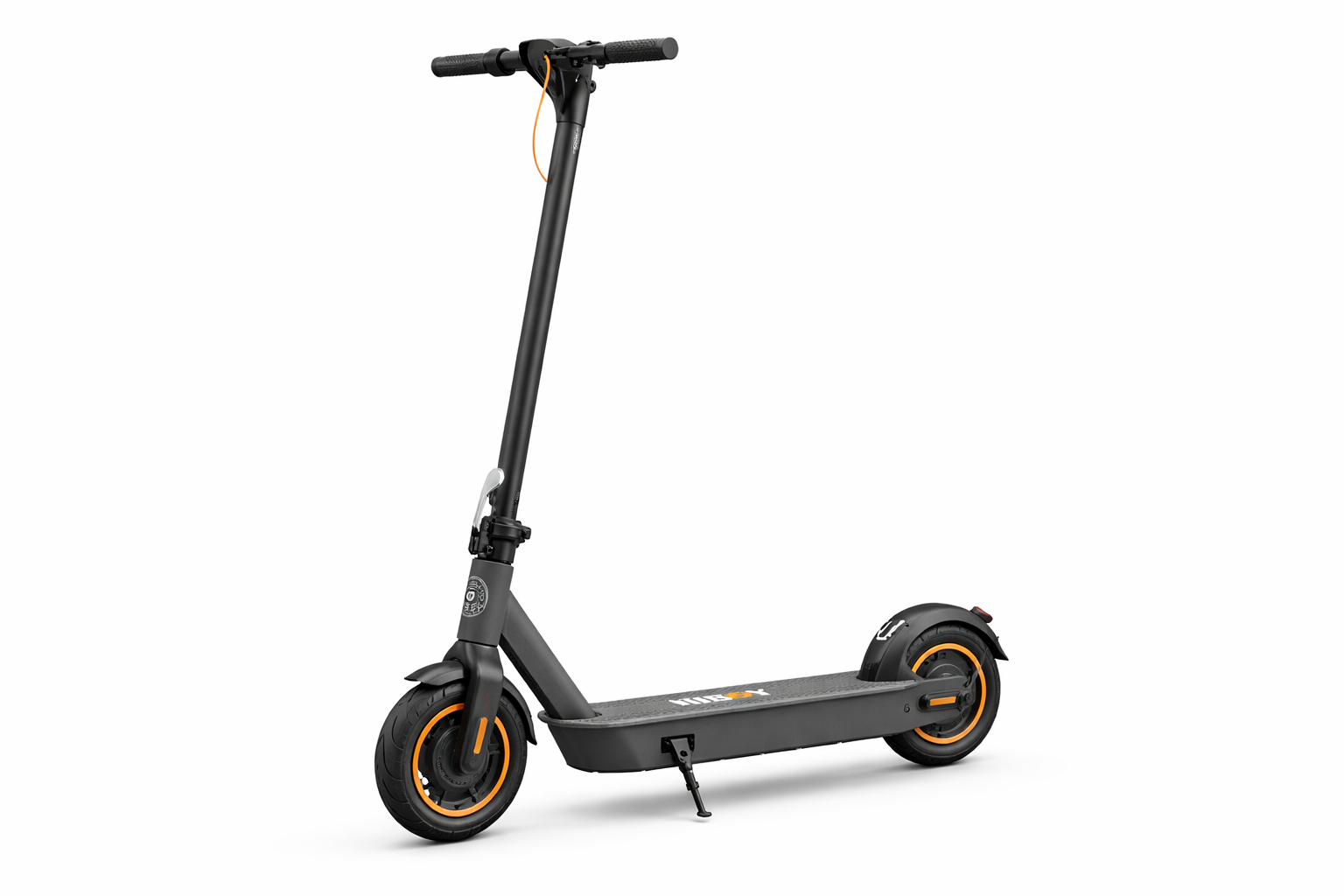
| Hiboy S2 MAX | Heavy Riders | 25 mi | 19 mph | 41 lbs | $499 |
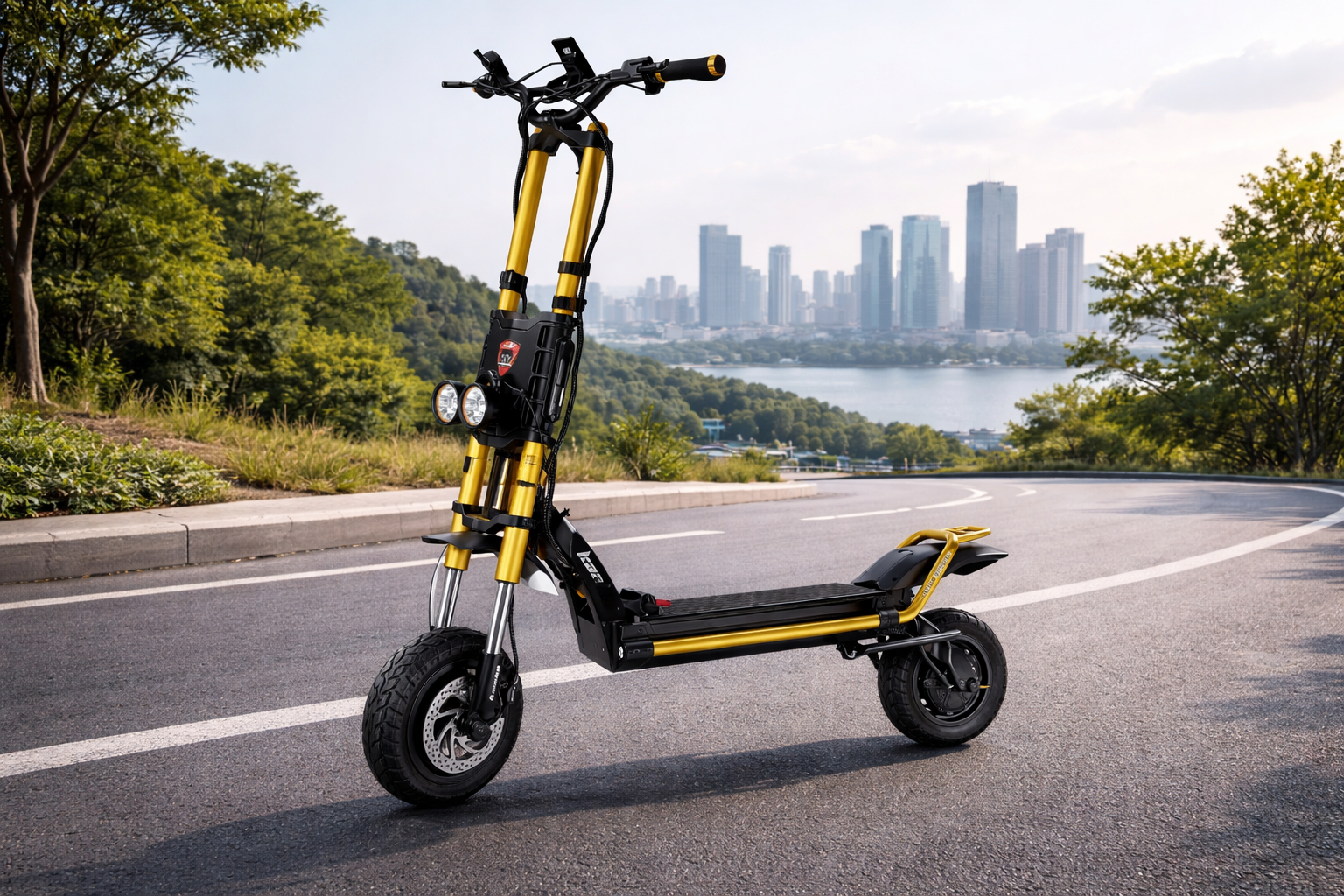
| Kaabo Wolf King GTR | Performance / Off-Road | 100+ mi | 65 mph | 105 lbs | $3,899 |
Prices and specs are approximate as of April 2026 and may vary based on sales and configurations.
The 7 Best Electric Scooters with Removable Batteries
Buying Guide: What to Look For in a Removable-Battery Scooter
Not all “removable” batteries are equal. Some pop out in seconds; others require a Phillips head and ten minutes of work. Here’s how to separate the real removable-battery scooters from the marketing fluff.
1. Is the Battery Actually Tool-Free?
A true removable battery should come out without any tools — just a lock, latch, or twist mechanism. If the manual says “remove eight screws and the deck cover,” that’s a replaceable battery, not a removable one. Still better than sealed, but different.
2. Is There an Anti-Theft Lock?
This is the feature most buyers miss until their battery gets stolen. A good removable-battery scooter has a key lock, combination lock, or electronic pairing so only you can remove the pack. The TurboAnt X7 Max is the gold standard here.
3. Can You Buy Spare Batteries Separately?
Check the manufacturer’s website before you buy the scooter. If spares aren’t officially sold, you’ll be stuck with the stock pack forever. TurboAnt, Levy, NIU, and Segway all sell OEM spares. Some cheaper brands do not.
4. Battery Capacity vs Voltage
Don’t just look at Ah (amp-hours). Watt-hours (Wh) is the real measure of capacity. Multiply voltage × amp-hours. A 36V 10Ah battery = 360Wh. A 48V 9.6Ah battery = 460Wh. The second scooter has more energy even though its Ah is lower.
5. Charging Time and Charger Options
Most removable packs charge in 4–6 hours with the stock charger. Many brands sell fast chargers that cut that to 2–3 hours. If you rely on quick turnarounds, budget for a fast charger on day one.
6. Tire Type Still Matters
Your battery choice doesn’t change the fact that pneumatic tires dramatically outperform solid tires on real-world roads. Don’t sacrifice tire quality just to get a removable battery.
💡 Pro Tip
Buy your scooter and spare battery from the same retailer on the same order. It simplifies warranty claims and ensures the spare is the exact same revision as your main pack.
Best Pick by Use Case (Quick Matching Table)
Still not sure which one is right for you? Match your situation to the right model here.
| If you are a… | Go with | Why |
|---|---|---|
| Apartment dweller (no ground outlet) | TurboAnt X7 Max | Lockable slide-out battery, carry it upstairs only |
| Food delivery rider | TurboAnt V8 | Two batteries = one full shift without charging |
| Subway/train commuter | Levy Plus | Only 30 lbs, fits under seats, battery in backpack |
| Hilly city commuter | NIU KQi3 Pro | 20% grade hill-climbing, tubeless tires |
| Long-distance commuter (20+ mi) | Segway Ninebot Max G2 | 43-mile real range, best suspension |
| Heavier rider (230+ lbs) | Hiboy S2 MAX | Reinforced deck, 265 lb capacity, budget price |
| Performance enthusiast | Kaabo Wolf King GTR | 65 mph, removable 2419Wh pack, off-road ready |
5 Common Mistakes People Make (and How to Fix Them)
❌ Mistake #1: Buying the Cheapest “Removable” Scooter You Find
Off-brand models on marketplace sites often advertise removable batteries but sell zero replacement packs. When yours degrades, you’re stuck.
❌ Mistake #2: Charging the Battery While It’s Still Hot
After a long ride, the pack can be 100°F+. Charging immediately accelerates chemical degradation.
❌ Mistake #3: Storing the Battery at 100% for Weeks
Lithium batteries lose capacity fastest when stored fully charged at high temperatures.
❌ Mistake #4: Ignoring the Weight of a Spare Battery
“Just carry a spare!” sounds easy until you realize most packs weigh 5–8 lbs. That’s a noticeable addition to your daily backpack.
❌ Mistake #5: Using a Non-Matching Charger
Random universal chargers can deliver the wrong voltage or current, slowly damaging the pack.
Expert Pro Tips Most Guides Skip
💡 Tip 1: Label Your Batteries
If you own a spare, use a silver marker to label them “A” and “B.” Alternate their use week-to-week. This keeps cycle count balanced and extends the life of both packs together.
💡 Tip 2: Keep a Charging Log for the First Month
Track how many miles you get from each full charge. After 30 days, you’ll know your real range for your weight and terrain — no more trusting marketing numbers.
💡 Tip 3: Winter Storage Matters
If you live anywhere with cold winters and won’t ride for 3+ months, bring the battery indoors. Cold storage below 32°F (0°C) can permanently damage lithium cells.
💡 Tip 4: Buy the Spare Now, Not Later
Scooter brands discontinue battery models faster than they discontinue the scooters themselves. If you think you’ll ever want a spare, buy it in the first six months of ownership.
⚠️ Important Warning
Never charge a lithium-ion scooter battery unattended overnight, especially in a hallway or near flammable items. Use a smoke detector in the room and consider a fireproof charging bag for peace of mind.
Real Rider Stories (From Reddit & Social Media)
“I bought the TurboAnt X7 Max because my landlord banned e-scooters in the building lobby. Now I just pop the battery out at the bike rack, carry it upstairs, and charge it on my desk. The scooter lives outside 24/7 and nobody has stolen anything — the key lock actually works.”
— r/ElectricScooters user, commuting in Chicago
“I do UberEats 5 nights a week. The V8 with two batteries means I can do a full 5-hour shift without ever stopping to charge. That’s easily $40 more in tips per night compared to my old sealed-battery scooter.”
— Food delivery rider on YouTube
“After 18 months my Levy Plus battery was showing maybe 70% of its original range. Swapped in a new $180 pack and it’s like day one again. If this had been a sealed scooter, I’d have been looking at a $400+ service bill.”
— Long-time Levy owner, NYC
These stories highlight the real-world value of removable batteries — convenience, income, and longevity. Our guide on electric scooters with regenerative braking and GPS tracking covers the next tier of smart features. For deeper model reviews, the Hover-1 Journey Max review and Maxshot V1 review are great next reads.
Frequently Asked Questions
Are removable batteries worth the extra cost?
For most riders, yes. The convenience alone — charging at a desk instead of hauling a 40-lb scooter indoors — is worth it. But the real long-term value comes from being able to replace the battery after 2–4 years for $150–$200 instead of paying for a whole-scooter service or buying a new unit.
Can I carry the battery in my backpack safely?
Yes, as long as the battery isn’t damaged and the terminals are protected. Most OEM batteries come with recessed or covered connectors. Avoid tossing it loose in a bag with keys or metal objects that could short it out. A padded case or laptop sleeve works well.
Can I fly with a removable scooter battery?
This is tricky. TSA and FAA generally prohibit lithium-ion batteries over 160Wh on commercial flights. Most scooter batteries are 300–700Wh, so they’re not allowed. Some airlines permit smaller 100Wh packs in carry-on with advance approval, but always check with your airline first.
How do I know when it’s time to replace the battery?
Watch for three signs: (1) your real-world range drops below 60% of what it used to be, (2) the scooter cuts out on hills when the battery reads above 30%, or (3) the battery gets unusually warm during normal charging. Any of these three means it’s time.
Does a removable battery make a scooter less waterproof?
Slightly, yes. The removable compartment is a potential water ingress point. Most removable-battery scooters are rated IPX4 or IP54 — fine for light rain and wet roads, not for heavy downpours. Dry the battery contact surface before reinserting after a wet ride.
Can I upgrade to a larger removable battery later?
Usually no — the battery management system (BMS) and charging circuit are tuned for a specific cell count. A higher-capacity pack of the same voltage might work, but going beyond the manufacturer’s rated specs can void your warranty and create safety risks. Stick with OEM replacements.
✅ Final Pre-Buy Checklist
- ✓ The scooter’s battery pops out tool-free (or at worst, with one screw)
- ✓ Official replacement batteries are available from the manufacturer
- ✓ There’s a lock, latch, or electronic pairing to prevent battery theft
- ✓ The battery weight is realistic for you to carry (5–8 lbs typical)
- ✓ Range, speed, and weight capacity match your commute and body weight
- ✓ Water resistance is at least IPX4 for occasional rain
- ✓ Tire type fits your roads (pneumatic for rough, solid for flat city)
- ✓ Warranty covers at least 12 months on the battery pack
- ✓ Customer support is responsive (check Reddit and YouTube)
- ✓ You’ve priced a spare battery into your total budget from day one
Final Thoughts: Which Removable-Battery Scooter Is Right for You?
Buying a scooter with a removable battery is one of the smartest micromobility decisions you can make in 2026. You get charging flexibility, longer total lifespan, easier theft prevention, and the option to double your range with a spare pack — all for about the same price as a comparable sealed scooter.
If I had to pick just one for most people, it would be the TurboAnt X7 Max. It nails the fundamentals: real 32-mile range, a genuinely lockable slide-out battery, 10-inch pneumatic tires, and a price that still leaves room in the budget for a spare pack.
If range anxiety keeps you up at night, the TurboAnt V8 with dual batteries is the answer. If you live in a fourth-floor walk-up and take the subway daily, the Levy Plus will change your life. And if money is no object and you want the best all-around experience, the Segway Ninebot Max G2 is the safest “buy once, cry once” choice.
Whatever you pick, remember the two rules that matter most: never skip the spare battery, and never ignore the water rating on your first rainy day. Get those two right and your scooter will serve you faithfully for years.
🚀 Ready to Ride Smarter in 2026?
The best time to buy a removable-battery scooter was yesterday. The second-best time is today — prices are lower and selection is wider than ever.
Disclosure: This article contains Amazon affiliate links. If you purchase through these links, we may earn a small commission at no extra cost to you. This helps us keep producing independent, data-driven scooter guides. All opinions remain our own.

I’m the founder of HoverboardsGuide.com, a comprehensive website dedicated to electric scooters and hoverboards. With a deep-rooted passion for electric gadgets, I’ve accumulated extensive experience in this field. I aim to assist users in selecting the best gadgets and providing reliable guidance.
I’ve tested and reviewed numerous models, gaining in-depth knowledge about their features, performance, and overall quality. Feel free to reach out to me with any queries, as I’m dedicated to addressing your concerns promptly. Join me on this exciting journey of exploring the world of electric rides and making informed decisions