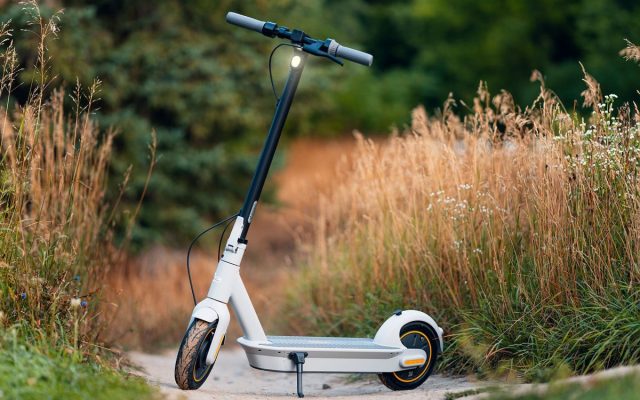
A light, foldable budget commuter hiding a genuine LG battery. Here's exactly how the Gotrax XR Ultra rides in the real world.
If you want a simple, affordable way to skip traffic, the Gotrax XR Ultra electric scooter keeps showing up on nearly every “best budget scooter” list. And for good reason. It’s light, it folds in about three seconds, and it hides a real LG battery inside a frame that costs a fraction of premium models. For students, city commuters, and first-time riders, it’s one of the easiest ways to get rolling without spending $800 or more.
But budget scooters always come with trade-offs. The numbers printed on the box rarely match what you’ll actually see on a hilly, real-world ride. So in this review, we’ll break down exactly how fast it goes, how far it really travels, how it handles hills and bumps, and where it quietly cuts corners. All in plain, honest language.
By the end, you’ll know whether the XR Ultra is the right first scooter for you, or whether one of its close rivals fits your ride better. Let’s roll.
This article is part of our electric scooter buying guide, which brings together every scooter guide on the site.
Gotrax XR Ultra at a Glance
The XR Ultra is Gotrax’s most popular commuter scooter, and it has been a best-seller for years. It sits at a list price around $399, though it frequently drops to somewhere between $250 and $360 on sale. For that money you get a 300W motor (400W at peak), a top speed of 15.5 mph, and an advertised range of up to 16 miles. The headline feature is the genuine LG lithium-ion battery, a name-brand cell that most scooters in this price range simply skip.
It’s aimed squarely at beginners, students, and short-hop commuters. If your daily ride is flat, paved, and under about eight miles each way, this scooter was basically built for you. It’s UL2272 safety certified, folds down in seconds, and weighs around 27 pounds, so you can carry it onto a bus or up a flight of stairs without hating your life.
Just set your expectations correctly. This is an entry-level scooter, not a hot rod. It has no suspension, no app, and it doesn’t love steep hills. But for the price, it nails the basics that matter most: dependable range, a trustworthy battery, and a solid set of dual brakes.
- Price: around $399 list, often discounted to $250-$360
- 300W motor (400W peak) with a real 15.5 mph top speed
- Genuine LG battery and UL2272 safety certification
- Folds in about 3 seconds and weighs roughly 27 lbs
- Best for flat, paved, short-to-medium commutes
| Spec | Detail |
|---|---|
| Motor | 300W nominal (400W peak), front-wheel drive |
| Top speed | 15.5 mph |
| Range | Up to 16 miles (real-world ~9-12 mi) |
| Battery | 36V 7.0Ah LG Li-ion (252Wh), UL2272 certified |
| Charge time | 3-4 hours |
| Tires | 8.5″ pneumatic or honeycomb solid |
| Brakes | Front E-ABS regen + rear mechanical disc |
| Weight | ~27 lbs (26-27.6) |
| Max rider weight | 220 lbs |
| Water resistance | IP54 |
| Folded size | 43.3 x 17.1 x 14.6 in |
| Warranty | 1 year limited |
Speed, Range and Hill Climbing: The Real Numbers
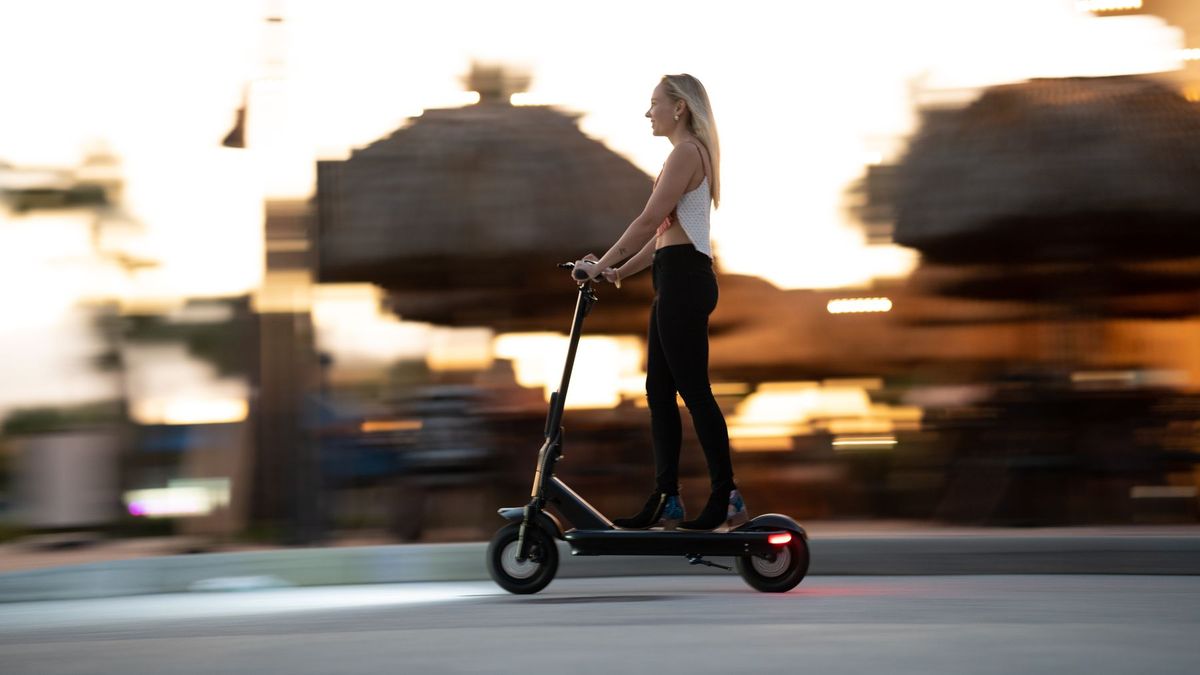
Let’s start with speed, because this is where the XR Ultra is refreshingly honest. It tops out at 15.5 mph, and reviewers confirm you’ll actually hit that number on flat ground. That happens to match the legal scooter speed limit in many US states, so it’s plenty for bike lanes and neighborhood streets. Acceleration is gentle, reaching top speed in about ten seconds. That soft pickup is a feature for new riders, not a flaw. There’s no jerky lurch, just a smooth glide up to cruising speed.
Range is where you need a reality check. The box says “up to 16 miles,” but real-world testing lands closer to 9 to 12 miles. Your actual number depends on your weight, the terrain, the temperature, and how hard you ride. Heavier riders pushing full throttle over rolling hills should plan for the low end. Lighter riders cruising flat streets in eco mode get closest to the claim. If your round trip is six to eight miles, you’ll have comfortable headroom and won’t need to charge every single day.
Hills are the XR Ultra’s clear weak spot. The single 300W front motor handles gentle inclines up to roughly a 14 to 15 percent grade. On anything steeper it bogs down, and speed can sag to 6 to 8 mph. On a really steep driveway you might need to give it a kick or two to help it along. This is the honest dealbreaker to know before you buy.
Ride Comfort, Tires and Braking
Comfort on the XR Ultra comes almost entirely from its 8.5-inch tires, because there is no suspension anywhere on this scooter. On the pneumatic (air-filled) version, those tires soak up cracks, expansion joints, and small bumps surprisingly well for a budget model. The deck also has a little natural flex that takes the edge off. On smooth pavement and bike paths, the ride is genuinely pleasant and stable.
Rougher ground is where the missing suspension shows itself. Potholes, gravel, cobblestones, and broken sidewalks send buzz straight up through the handlebars. This is not an off-road machine. Keep it on paved surfaces and it stays happy. If the idea of ever patching a flat makes you groan, the honeycomb solid-tire version trades a little cushion for the peace of mind of never getting a puncture.
Braking is a real highlight for the price. You get a dual system: a regenerative electronic brake (called E-ABS) on the front wheel, plus a mechanical disc brake on the rear. Together they stop the scooter quickly and predictably, even from top speed. Squeeze the rear lever firmly for the strongest bite. As a bonus, the regenerative front brake feeds a small amount of energy back into the battery every time you slow down.
Battery, Charging and Build Quality
The star of the show is the battery. Gotrax uses a genuine LG lithium-ion pack (36V, 7.0Ah, 252Wh) instead of the no-name cells found in many cheap scooters. That matters more than it sounds. Name-brand cells tend to hold their capacity longer, charge more consistently, and are simply safer over the long haul. On top of that, the whole scooter is UL2272 certified, the key safety standard for e-scooters, which means the battery and electrical system have been tested for fire and shock safety.
Charging takes about three to four hours from empty using the included 42V 2.0A charger. That’s quick enough to top up over a lunch break or an evening on the couch. With normal care, a lithium battery like this should give you several years and hundreds of charge cycles before you notice any real drop in range.
The frame is A6061 aircraft-grade aluminum alloy, which keeps total weight down near 27 pounds while staying sturdy under the 220-pound rider limit. Fit and finish are good for the money. The one nitpick reviewers mention is an exposed brake cable that can catch a bit when the scooter is folded. The base model also skips a rear taillight, but that’s an easy fix with a cheap clip-on light.
Folding, Weight and Daily Commuting
Portability is where the XR Ultra really shines for city life. It folds in about three seconds using a one-touch latch at the stem, and then the handlebars collapse so you can carry the whole thing like a suitcase. At roughly 27 pounds, it’s light enough to lug up a flight of stairs, tuck under a desk, or lift into a car trunk without a struggle.
That makes it a natural fit for the classic “last mile” commute. Ride to the train station, fold it, carry it aboard, then roll the rest of the way at the other end. The LED display keeps things simple, showing your current speed, battery level, speed mode, and headlight status all at a glance. Cruise control lets you hold a steady pace without keeping your thumb pinned down, which is a relief on longer, straight stretches.
A few practical notes for everyday use. The bright LED headlight throws light about 26 feet ahead, which is fine for lit streets, but you’ll want that add-on taillight for real night visibility. There’s no app or Bluetooth, so no phone-based locking or firmware updates. For a simple commuter, though, fewer gadgets just means fewer things that can break.
- Folds in about 3 seconds with a one-touch stem latch
- Around 27 lbs, easy to carry and store anywhere
- Cruise control holds a steady speed on long straights
- LED display shows speed, battery, and mode at a glance
- IP54 rating shrugs off light drizzle and damp roads

How the XR Ultra Compares to Its Rivals
The XR Ultra doesn’t ride alone in the under-$400 arena. Here’s how it stacks up against the three scooters shoppers cross-shop with it most often. Each one wins on a different strength, so the right pick really depends on what you value.
All three rivals are genuinely good scooters. The XR Ultra’s argument stays simple: it’s the lightest to carry, it packs a genuine LG battery, and it’s usually the cheapest of the bunch when it goes on sale. Check the side-by-side comparison table further down for the full picture.
vs Hiboy S2
The Hiboy S2 is the speed pick, hitting around 19 mph, and you can bolt on an optional seat for longer rides. If raw speed is your priority, the S2 wins that battle. But the XR Ultra counters with its genuine LG battery and a slightly lighter, easier-to-carry feel. For pure commuting peace of mind, the Gotrax holds its ground.
vs Segway E2 Plus
Segway’s E2 Plus adds one thing the Gotrax lacks: a 27mm front suspension for a plusher ride, plus a trusted brand name. The trade-off is weight, at roughly 41 pounds versus the XR Ultra’s 27. That makes it noticeably less fun to carry up stairs. Choose the Segway for comfort, the Gotrax for portability.
vs NIU KQi 100P
NIU’s budget KQi is the stability champ, with forgiving, confidence-inspiring geometry and an excellent 2-year warranty (the XR Ultra offers one year). It tops out around 16 mph. If long warranty coverage matters most to you, NIU wins. If you want the lightest, often cheapest reliable option, the Gotrax still competes well.
Is the Gotrax XR Ultra Worth It?
For the right rider, absolutely. If your commute is mostly flat, paved, and under about eight miles each way, the Gotrax XR Ultra electric scooter delivers exactly what most people need. You get honest speed, dependable range, a trustworthy LG battery, and easy folding, all at a price that undercuts nearly every name-brand rival. It’s one of the safest, lowest-risk first-scooter picks you can make.
It’s not for everyone, though, and that’s fine. Skip it if you face steep hills every day, weigh near or above the 220-pound limit, or you crave suspension and app features. Those riders will be happier stepping up to a dual-motor or suspension-equipped model that costs a bit more. But if you’re a student, a city commuter, or a curious first-timer who just wants a light, reliable ride that folds and goes, the XR Ultra remains one of the smartest budget buys around. Buy it for what it is, keep the tires pumped, and it’ll quietly do its job for years.
| Metric | Advertised | Real-World |
|---|---|---|
| Top speed | 15.5 mph | ~15.5 mph (accurate) |
| Range | 16 miles | 9-12 miles |
| Hill climb | Handles inclines | Up to ~14-15% grade |
| Charge time | 3-4 hours | 3-4 hours |
| Acceleration | Not stated | 0 to top speed in ~10 sec |
| Scooter | Top Speed | Range (claimed) | Weight | Standout | Price |
|---|---|---|---|---|---|
| Gotrax XR Ultra | 15.5 mph | 16 mi | ~27 lbs | LG battery, lightest | ~$399 |
| Hiboy S2 | 19 mph | 17 mi | ~29 lbs | Fastest, optional seat | ~$400 |
| Segway E2 Plus | 15 mph | 15 mi | ~41 lbs | Front suspension | ~$380 |
| NIU KQi 100P | 16.3 mph | 15 mi | ~37 lbs | 2-yr warranty, stable | ~$350 |
Common Mistakes (and How to Fix Them)
Fix: Plan for a realistic 9-12 miles. Ride in eco mode, keep the tires properly inflated, and charge nightly if your round trip is over about 8 miles.
Fix: The single 300W motor bogs down past roughly a 15% grade. Choose gentler routes, or step up to a 500W-plus or dual-motor scooter if hills rule your commute.
Fix: The IP54 rating only handles light drizzle. Downpours and standing water can damage the electronics and void the warranty, so wait it out and wipe the scooter dry after wet rides.
Fix: Under-inflated pneumatic tires quietly kill both range and comfort. Check the PSI every couple of weeks and pump up to the pressure printed on the tire sidewall.
Pro Tips
- 💡 Keep the pneumatic tires at their recommended PSI. It’s the single easiest way to protect your range and keep the ride smooth.
- 💡 Use eco or mid speed mode for daily commuting. It can add several miles of range compared with riding full-throttle in sport mode.
- 💡 Clip on an inexpensive rear taillight. The base XR Ultra has no taillight, and it makes a huge difference for being seen at night.
- 💡 Charge to full before long rides, but for everyday use, topping up to around 80-90% helps the battery stay healthy for more years.
- 💡 Store the scooter and its battery indoors in cold weather. Cold temporarily shrinks your range and puts extra stress on the cells.
An Example Scenario
Illustrative example: a composite of situations riders often describe, not a real customer story.
Maya, a college sophomore, bought the XR Ultra to cover the mile-and-a-half between her apartment and campus. Her old 25-minute walk now takes about six. She folds the scooter in seconds, carries it into lecture halls, and tucks it under her desk. On a single charge she gets a whole week of short hops in before she needs to plug it back in.
Her one adjustment is a steep hill on the way home. The scooter slows way down there, so she gives it a kick to help. For flat campus streets, though, it’s close to perfect, and it cost far less than her roommate’s fancy scooter.
Frequently Asked Questions
Yes, the Gotrax XR Ultra is built for adult commuters and supports riders up to 220 pounds. It’s a great fit for students and city riders on flat, paved routes under about eight miles each way. Just remember it’s an entry-level scooter, so it trades power and suspension for a light frame and a low price.
It reaches a genuine 15.5 mph on flat ground, and testers confirm that number is accurate rather than optimistic. That matches the legal scooter speed limit in many US states. You may briefly hit around 20 mph going downhill, but 15.5 mph is your realistic cruising speed on the flat.
Expect about 9 to 12 real-world miles, versus the advertised 16. Your actual distance depends on your weight, the terrain, the temperature, and how fast you ride. Lighter riders cruising flat ground in eco mode will get closest to the claimed number.
It handles gentle inclines up to roughly a 14 to 15 percent grade, but steeper hills are a real struggle. On steep grades the speed can drop to 6 to 8 mph, and you may need to kick to help it along. If big hills dominate your commute, choose a more powerful scooter instead.
No, it’s water-resistant, not waterproof, with an IP54 rating. That’s fine for light rain or a damp road, but you should avoid deep puddles and heavy downpours. Water damage isn’t covered by the warranty, so always dry the scooter off after any wet ride.
The genuine LG battery should give you several years and hundreds of charge cycles before the range noticeably drops. Good habits help a lot: avoid draining it fully to zero, don’t leave it sitting at 100% for weeks, and store it indoors during cold weather.
Final Checklist ✅
- ✅ Confirm your commute is mostly flat and paved, since the XR Ultra dislikes steep hills
- ✅ Check that you’re comfortably under the 220-pound rider weight limit
- ✅ Pick your tire type: pneumatic for a smoother ride, honeycomb solid for zero flats
- ✅ Charge the battery fully (about 3-4 hours) before your first ride
- ✅ Set the tire pressure to the PSI rating printed on the sidewall
- ✅ Add a clip-on rear taillight for safe visibility after dark
- ✅ Grab a helmet and register the 1-year warranty