Best Off-Road Electric Scooter: 2026 Buyer’s Guide
Fat tires, real suspension, and dual-motor torque. Here’s how to pick an all-terrain scooter that thrives where the pavement ends.
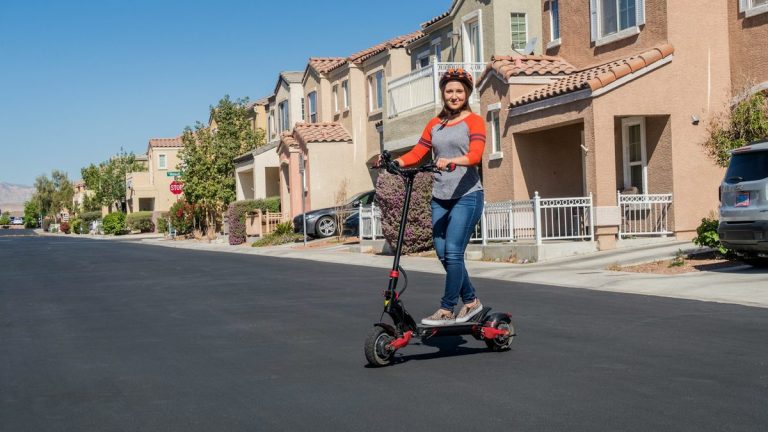
An off-road electric scooter is built for the places where sidewalks end. Think dirt trails, gravel paths, wet grass, loose sand, and steep hills. These machines trade the light, folding frames of city commuters for fat pneumatic tires, real suspension, and dual motors with serious torque. If you want a ride that shrugs off potholes and claws up hills, this is the category for you.
The problem is that a lot of scooters slap ‘all-terrain’ on the box without the hardware to back it up. Big tires alone don’t cut it. You need suspension, power, and weather protection working together. Get the mix right and you’ll grin the whole way down the trail. Get it wrong and you’ll rattle your teeth on the first gravel path.
This guide keeps things simple. We’ll show you our favorite off-road electric scooters for 2026 at every budget, explain the features that actually matter, and help you match a scooter to the exact ground you ride. By the end, you’ll know precisely what to look for and what to skip.
What Makes an Electric Scooter Truly Off-Road?
Not every scooter with air-filled tires can handle the rough stuff. A true off-road electric scooter is built around four things working together: big tires, real suspension, strong motors, and weather protection. Take away any one of them and you’ll feel it the moment the smooth pavement ends. A commuter scooter with a stiff frame and little 8-inch tires will rattle your teeth on a gravel path and slide out in wet grass.
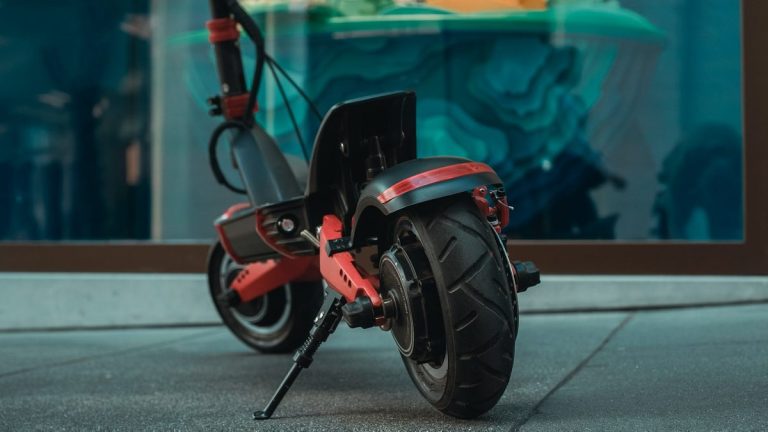
So what separates an all-terrain machine from a city runabout? Bigger pneumatic (air-filled) tires, usually 10 to 11 inches, that cushion impacts and grip loose ground. Front and rear suspension that keeps those tires planted instead of bouncing. Dual motors, or one very strong motor, that deliver the torque to power up hills and out of sand. And a solid IP water-resistance rating so mud, puddles, and light rain don’t fry the electronics.
The trade-off is size and weight. Off-road scooters are heavy, often 55 to 110 pounds, because that beefy hardware adds up. They’re less about squeezing onto a train and more about loading into a truck or garage and heading for the trailhead. If you know that going in, you’ll be a much happier rider.
- Pneumatic or knobby tires, 10 inches or larger
- Front and rear (dual) suspension
- Dual motors or one high-torque motor for hills
- An IP rating like IP54 or IPX5 for wet, muddy rides
- A frame and deck rated well above your body weight
| Model | Top Speed | Range | Peak Power | Tires | Approx. Price | Best For |
|---|---|---|---|---|---|---|
| Varla Eagle One Pro | 45 mph | Up to 45 mi | 3,600W | 11″ pneumatic | ~$1,299 | Overall value |
| Segway ZT3 Pro | 24.9 mph | 43.5 mi | 1,600W | 11″ tubeless | ~$949 | Budget / beginners |
| Hiboy Titan Pro | 33 mph | Up to 80 mi | 2,400W (Bosch) | 10″ gel-filled | ~$1,530 | Long range |
| Apollo Phantom V3 | 38 mph | Up to 40 mi | 3,200W | 10″ pneumatic | ~$2,199 | Comfort ride |
| Kaabo Wolf Warrior 11 | ~50 mph | Up to 40 mi | 5,400W | 11″ pneumatic | ~$2,795 | Hardcore trails |
| Dualtron Thunder 3 | 62+ mph | Up to 100 mi | Dual 72V | 11″ tubeless | ~$3,499 | No-limits beast |
The Best Off-Road Electric Scooters for 2026
We pulled together the off-road electric scooters that riders and reviewers keep recommending in 2026. They range from wallet-friendly all-terrain starters to speed demons that cost as much as a used car. Every one earns its spot with real tires, real suspension, and real torque, not marketing fluff.
Skim the picks below, then check the full comparison table further down to see how the numbers stack up side by side.
Varla Eagle One Pro – Best Overall Value
This is the one we point most riders to first. Dual 1000W motors (3,600W peak) push it to 45 mph, the 60V 27Ah battery is good for up to 45 miles, and the 11-inch pneumatic tires plus dual suspension smooth out rough ground. At around $1,299, it delivers hardware you’d expect on scooters costing far more.
Segway ZT3 Pro – Best Budget Off-Roader
If you want to dip a toe into off-road without spending four figures, the ZT3 Pro is the smart buy. It pairs 11-inch tubeless off-road tires and dual suspension with a 1,600W peak motor and a genuine 43.5-mile range. Top speed is a tamer 24.9 mph, and it’s UL-certified, which is great for newer riders. Often on sale near $949.
Hiboy Titan Pro – Best for Long Range
Range junkies, this is your scooter. The 2026 Titan Pro runs dual Bosch motors (2,400W peak), climbs 35% grades, and squeezes up to 80 miles from its big 48V 36Ah battery. It tops out around 33 mph and carries 330 lbs on 10-inch gel-filled tires. Expect to pay roughly $1,300 to $1,530.
Apollo Phantom V3 – Best for Comfort
The Phantom V3 is the plush cruiser of the group. Dual 1200W motors (3,200W peak) deliver a silky 38 mph, and Apollo’s tuned suspension makes long rides genuinely comfortable. It’s a premium pick at about $2,199, but the ride quality and build feel worth it if your back has opinions.
Kaabo Wolf Warrior 11 – Best for Hardcore Trails
A legend for good reason. The Wolf Warrior 11’s dual motors punch out up to 5,400W for roughly 50 mph, and its long-travel suspension eats big hits for breakfast. At around $2,795 and pushing 100 pounds, it’s overkill for casual riders and exactly right for serious trail hounds.
Dualtron Thunder 3 – Best No-Limits Beast
When money is no object, the Thunder 3 is the trophy. It hits 62-plus mph, goes up to 100 miles on a 72V 40Ah battery, and stops with Nutt 4-piston hydraulic brakes. At about $3,499 it’s a specialist tool for experienced riders who want the very top of the range.
Key Features to Look for Before You Buy
Once you know the shortlist, the real decision comes down to matching features to how and where you ride. Here’s what actually moves the needle off-road, roughly in order of importance. Read it once and you’ll spot the weak specs on any product page in seconds.
- Motor power and torque: More watts mean more climbing and pulling power. For real off-road, look for 1,000W or more of combined power, and check the rated hill-climb grade (aim for 20% or higher).
- Tires: Pneumatic (air) tires soak up bumps, and knobby tread bites into dirt and mud. Bigger is better, and 10 to 11 inches is the off-road sweet spot.
- Suspension: Dual (front and rear) suspension keeps you in control on rough ground. Adjustable suspension is a bonus for dialing in comfort.
- Battery and range: Makers quote range in eco mode at low speed. Plan on getting 50 to 70 percent of the advertised number when you ride hard.
- Brakes: Hydraulic disc brakes are the gold standard for stopping a heavy scooter fast. Some models add ABS to prevent skidding on loose ground.
- Weight and portability: The trade for all that hardware is heft. Decide if you can live with 60 to 100-plus pounds before you fall in love with the specs.
- Water resistance: An IP rating (IP54, IPX5, and so on) tells you how it handles mud, puddles, and rain. No rating usually means keep it dry.
Tires, Suspension, and Motors: The Off-Road Trio
If you only understand three parts of an off-road scooter, make it these. They’re the difference between a machine that floats over rough ground and one that fights you the whole way. Here’s what each one does and what to look for.
Tires: your first line of defense
Tires do more than roll. Pneumatic (air-filled) tires act like a first layer of suspension, soaking up small bumps before they reach your feet. Knobby tread patterns dig into dirt, sand, and mud for grip. Street tires, by contrast, go glassy-slick the moment the surface turns loose. For real off-road, want at least 10-inch pneumatic tires, ideally with an aggressive tread.
Suspension: keeping rubber on the ground
Suspension keeps your tires touching the ground instead of skipping over it, and a planted tire is a tire that grips and brakes. Dual suspension (front and rear) is what you want for genuine trail riding. Spring, hydraulic, and rubber-cartridge systems all work, and higher-end scooters let you adjust the stiffness to match your weight and terrain.
Motors and torque: the muscle
Watts tell you power, but torque is what gets you moving on loose ground and up hills. Dual motors split the work between both wheels, which massively improves traction in sand, mud, and grass. One motor can be plenty for packed dirt and gentle trails. Steep, slippery climbs are where a dual-motor setup really earns its keep.
Match Your Scooter to the Terrain
There’s no single ‘best’ off-road scooter, only the best one for the ground under your wheels. Sand asks for different hardware than a rocky trail. Use the quick guide below to aim your budget where it counts, and check the terrain table further down for exact tire and power targets.
Packed dirt and gravel
This is the gentlest off-road terrain, and the most forgiving. A single strong motor and 8.5 to 10-inch pneumatic tires will handle groomed trails and gravel roads just fine. Basic suspension smooths out the washboard. Budget scooters like the Segway ZT3 Pro shine here without breaking the bank.
Loose sand and beaches
Sand is deceptively tough. It grabs at your wheels and saps momentum fast. You want wide 10 to 11-inch tires and, ideally, dual motors so both wheels pull you through. Lower your tire pressure slightly for a bigger contact patch and better float over soft spots.
Mud and wet grass
Slick surfaces are all about traction and water protection. Knobby tread and dual motors keep you from spinning out, and a solid IP rating (IP54 or better) keeps the electronics happy. Ride smoothly, avoid sudden throttle stabs, and rinse the scooter afterward.
Steep hills
Hills expose weak motors instantly. Look for a rated grade of 20 percent or more and at least 1,500W of combined power, especially if you’re a heavier rider. Dual-motor scooters like the Varla Eagle One Pro and Hiboy Titan Pro chew through climbs that stall lesser machines.
Rocky and technical trails
This is expert territory. You want big 11-inch pneumatic tires, long-travel adjustable suspension, and plenty of ground clearance. This is where hardcore machines like the Kaabo Wolf Warrior 11 belong. Pair the scooter with full protective gear and take it slow while you learn the line.
How Much Should You Spend?
Off-road scooters cover a huge price range, from around $900 to well past $3,500. The good news is that you don’t need to spend the most to have a great time. You just need to spend enough to clear the ‘toy’ tier and get real tires, suspension, and power.
Here’s the honest breakdown. Under about $900, you’re mostly looking at commuter scooters that struggle off pavement. The $900 to $1,700 band is the sweet spot for most riders, where value picks like the Varla Eagle One Pro and Hiboy Titan Pro live. Above $1,700, you’re paying for premium comfort, extreme speed, or race-grade parts. Spend where your riding actually is, not where the marketing points.
Ride Safe: Gear, Skills, and the Law
Off-road scooters are fast, heavy, and powerful, which makes safety gear non-negotiable. A fall on gravel at 30 mph is not the same as a tumble on grass. At minimum, wear a certified helmet, gloves, and closed-toe shoes. Wrist guards, knee pads, and elbow pads are smart once you push the pace. A full-face helmet is worth it on the faster machines.
Skill matters as much as gear. Keep your knees bent and your weight slightly back so the suspension does its job. Brake early and gently on loose ground, since grabbing a fistful of brake can wash out your front tire. Scout new trails at low speed before you open it up, and never ride beyond what you can see.
- Always wear a helmet, gloves, and eye protection
- Add wrist, knee, and elbow guards for faster rides
- Brake earlier and softer on loose or wet surfaces
- Keep both hands ready and your knees bent over rough ground
- Carry a phone, a small pump, and water on longer rides
| Terrain | Min Tire Size | Suspension | Power Guide |
|---|---|---|---|
| Packed dirt & gravel | 8.5″-10″ pneumatic | Single or dual | 500W+ |
| Loose sand | 10″-11″ wide | Dual, softer | 1,000W+ dual motor |
| Mud & wet grass | 10″+ knobby | Dual | 1,000W+ dual motor |
| Steep hills (20%+) | 10″+ pneumatic | Helpful | 1,500W+ |
| Rocky trails | 11″ fat pneumatic | Dual, adjustable | 2,000W+ |
| Price Range | What You Get | Example Models |
|---|---|---|
| Under $1,000 | Entry all-terrain: 10-11″ tires, basic dual suspension, one strong motor, ~25 mph | Segway ZT3 Pro |
| $1,000-$1,700 | Dual motors, 33-45 mph, 45-80 mi range, hydraulic brakes | Varla Eagle One Pro, Hiboy Titan Pro |
| $1,700-$2,500 | Premium comfort, tuned suspension, refined controls | Apollo Phantom V3 |
| $2,500+ | Extreme speed and range, race-grade parts | Kaabo Wolf Warrior 11, Dualtron Thunder 3 |
Common Mistakes (and How to Fix Them)
Fix: City scooters with small, stiff tires and no suspension get punished off-road. Insist on 10-inch-plus pneumatic tires, dual suspension, and an IP water-resistance rating before you buy.
Fix: A high top speed looks great on paper but does nothing on a steep, loose hill. Check the rated hill-climb grade and combined wattage, and favor climbing power over bragging-rights mph.
Fix: Off-road scooters run 60 to 100-plus pounds. Before you fall for the specs, make sure you can actually lift it into your car and store it, or you’ll leave it parked.
Fix: Mud and puddles come with the territory. Look for an IP rating like IP54 or IPX5, and if a scooter lists no rating at all, plan to keep it out of the wet.
Pro Tips
- 💡 Air down your tires a few PSI for loose sand or mud, then reinflate for pavement grip and range.
- 💡 Bend your knees and shift your weight back so the suspension, not your spine, soaks up the bumps.
- 💡 Rinse mud and grit off after rides, but never blast the deck or connectors with a pressure washer.
- 💡 Pack a mini pump and tire slime or a spare tube. Pneumatic tires do get flats out on the trail.
- 💡 For daily use, charge to about 80 to 90 percent and only top to 100 percent before long trail days to protect the battery.
A Real-Life Example
Marcus, a weekend rider outside Denver, spent his first month regretting a cheap commuter scooter he tried to take onto fire roads. The little 8-inch tires slid on gravel, and the stiff frame beat him up so badly he stopped riding. He sold it at a loss and switched to a dual-suspension, dual-motor model with 11-inch tires.
The difference, he says, was night and day. The bigger tires floated over washboard, the suspension saved his knees on rocky sections, and the extra torque finally let him climb the hills he used to walk. His advice to new buyers is blunt: don’t cheap out on tires and suspension, because those two things decide whether you actually enjoy riding off-road.
Frequently Asked Questions
It depends on your local laws, and many high-power off-road scooters are not fully street-legal. Cities and states set their own limits on speed, motor wattage, and where scooters can ride. Fast, powerful machines often exceed those caps, so they’re best used on private land, trails, or areas that clearly allow them. Always check your local DMV or city rules before riding on public roads or paths.
Aim for pneumatic tires at least 10 inches, and ideally 11 inches with knobby tread. Bigger air-filled tires act as a first layer of suspension, soaking up bumps before they reach your feet, and they float better over sand and loose dirt. Knobby tread digs in for grip on mud and grass. Small, hard, or street-style tires are the fastest way to have a miserable time off-road.
Not always, but dual motors help a lot on loose ground and steep hills. A single strong motor is perfectly fine for packed dirt, gravel roads, and gentle trails. Dual motors split the work between both wheels, which dramatically improves traction in sand, mud, and wet grass, and gives you far more climbing power. If your riding is mostly technical or hilly, dual motors are worth the extra cost.
Expect to spend at least $900 to $1,000 for a genuinely capable all-terrain scooter. The sweet spot for most riders sits between $1,000 and $1,700, where you get dual motors, real suspension, 40-plus miles of range, and hydraulic brakes. Serious high-speed and long-range models run from $2,000 up past $3,500. Below about $900, you’re usually looking at commuter scooters that struggle once the pavement ends.
Most can handle light rain, damp trails, and mud splashes, thanks to IP ratings like IP54 or IPX5. Those ratings tell you how much water and dust the scooter resists. That said, none of them are submarines. Avoid deep puddles and standing water, don’t ride in heavy storms, and rinse (never pressure-wash) the scooter after muddy rides to keep the electronics and bearings healthy.
Most off-road electric scooters top out between 25 and 50 mph, with extreme models pushing past 60 mph. Budget all-terrain scooters like the Segway ZT3 Pro cap out around 25 mph, mid-range dual-motor machines hit 38 to 45 mph, and hardcore beasts like the Dualtron Thunder 3 exceed 60 mph. For off-road riding, remember that more speed also demands more skill and better protective gear.
Final Checklist ✅
- ✅ Confirm the scooter has pneumatic or knobby tires at least 10 inches wide
- ✅ Check for dual (front and rear) suspension if you’ll ride rough ground
- ✅ Match motor power and hill-climb rating to your terrain and body weight
- ✅ Verify the real-world range at speed, not just the eco-mode number
- ✅ Check the IP water-resistance rating if you’ll ride wet or muddy trails
- ✅ Weigh portability: know how you’ll lift, transport, and store 60-100+ lbs
- ✅ Budget for a helmet, gloves, and a tire pump before your first ride